


Body zones
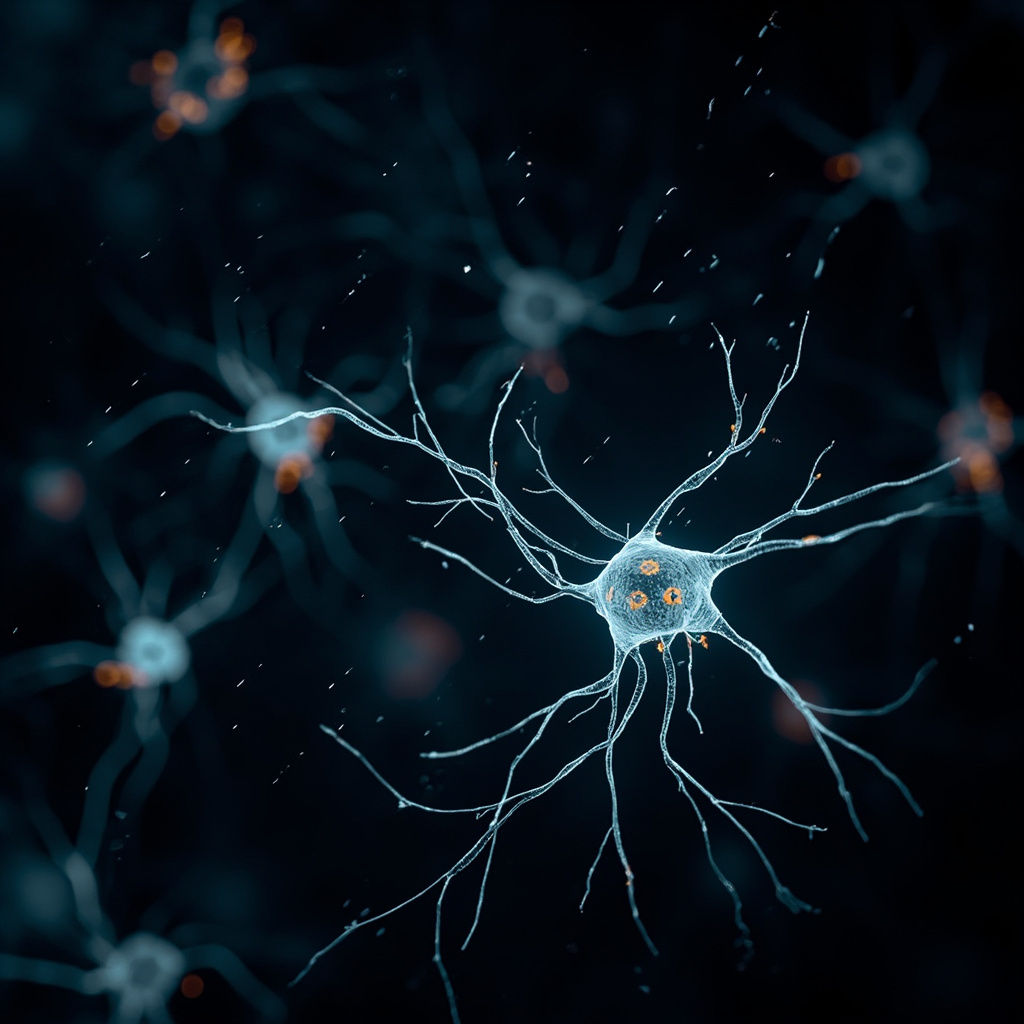
Nerves: Cells that transmit signals in the body
(nerves.neurons)Neurons are specialized cells located throughout the nervous system, including the brain, spinal cord, and peripheral nerves. When functioning properly, they transmit information through electrical and chemical signals, enabling sensory perception, motor control, and cognitive functions. Malfunctioning neurons can lead to various neurological disorders, such as Alzheimer's disease, Parkinson's disease, epilepsy, and multiple sclerosis, resulting in symptoms like memory loss, impaired movement, seizures, and muscle weakness.
Neurons can help other organs by facilitating communication and coordination through the transmission of electrical and chemical signals, ensuring that the body responds appropriately to internal and external stimuli, thus maintaining overall balance and function.
Neurons, which are vital components of the nervous system, are linked to emotions and feelings such as intense stress, fear, or unresolved conflicts. Malfunctioning of neurons may indicate that an individual is experiencing chronic stress, emotional trauma, or a significant inner conflict that has not been resolved. These emotional states can disrupt the normal functioning of neurons, potentially leading to neurological issues or disorders. The body may be signaling through these neuronal issues that there is a need to address and resolve deep-seated emotional problems.
Neurons are specialized cells that play a crucial role in the nervous system, responsible for transmitting signals throughout the body. Their primary functions include processing sensory information, coordinating motor functions, and facilitating cognitive activities such as learning and memory. Neurons interact closely with other organs, including the heart and endocrine glands, ensuring that physiological responses are well-coordinated and that homeostasis is maintained. For instance, the autonomic nervous system, governed by neurons, regulates heart rate and digestion, linking emotional states like stress or anxiety with physical reactions. This highlights the interconnectedness of emotional and physical health; dysfunctional neurons can result in not only neurological disorders but also emotional disturbances, indicating unresolved personal issues. Furthermore, healthy neuron function supports overall energy levels, vitality, and resilience, as efficient communication across bodily systems is essential for optimal performance and well-being. By nurturing neuronal health through lifestyle choices such as proper nutrition, exercise, and stress management, individuals can enhance their physical and mental energy, fostering a balanced state of health that promotes longevity.
In BioCoherence, find the organ biomarkers and structures in Analyze > Body > Organs maps.
To comment, subscribe to the newsletter and get exclusive BioCoherence offers, please create a free account
Legal page
Website (c) 2026 Coherence Labs; contents (c) their respective authors.
Disclaimer BioCoherence provides both an academic analysis and an energetic and experimental analysis.
The information displayed may or may not be correlated with the physical state of the systems.
Calculations are based on individual measurements and experimental algorithms.
All computed results like energy levels, entropy levels and coherent systems are designed to provide useful information for personal development, not for medical purposes. The usage of all results are under the sole responsibility or the user. In case of doubt, it is important to consult a medical doctor. Please check our EULA before deciding your use of the software.