


Body zones
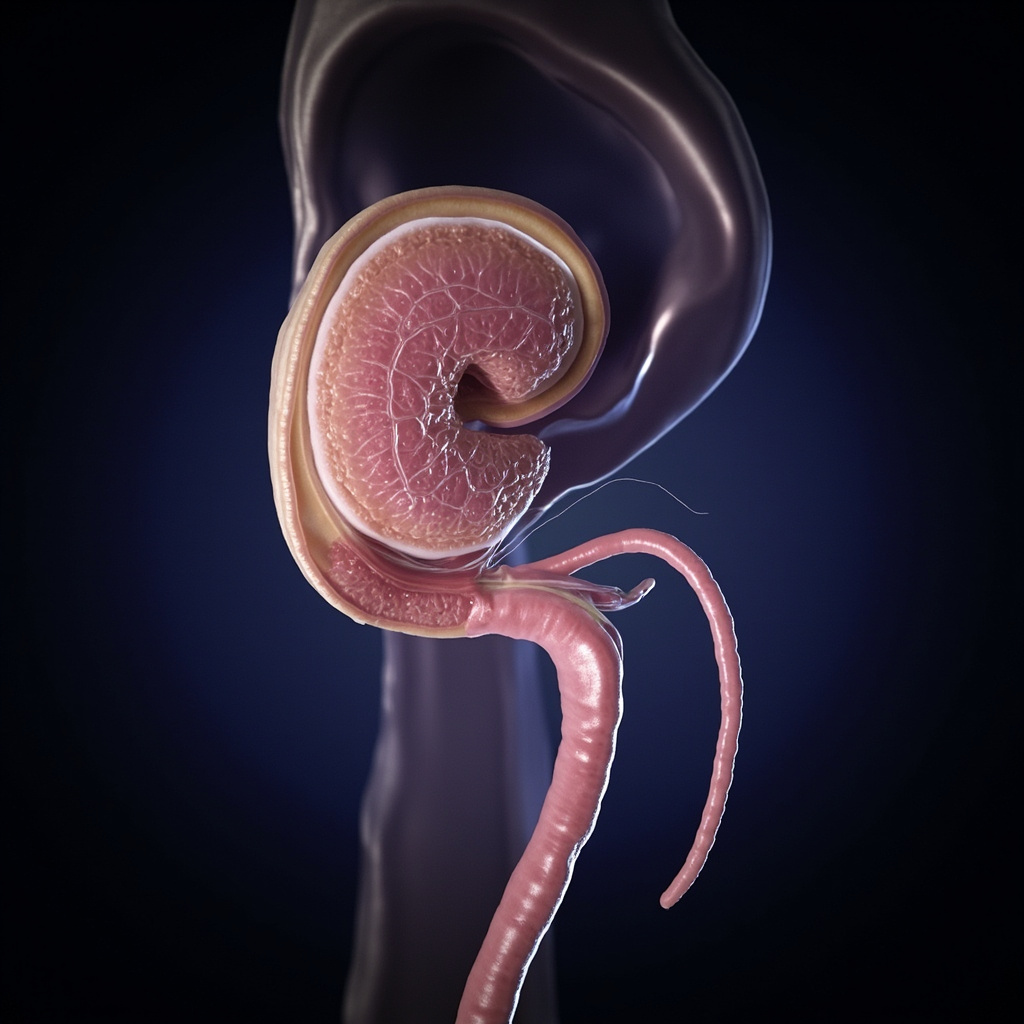
Cochlear Nerves: Hearing Pathway Connections
(nerves.cochlear)The cochlear nerve, located in the inner ear, is responsible for transmitting auditory information from the cochlea to the brain. When functioning properly, it enables the perception of sound by converting mechanical sound vibrations into electrical signals. If the cochlear nerve malfunctions, it can result in hearing loss or auditory processing disorders.
The cochlear nerve can help prioritize emotional and psychological well-being by facilitating effective communication and processing of auditory information, thus enabling individuals to engage with their environment and relationships more positively, while also addressing unresolved emotional issues that may impact hearing.
The cochlea is linked to the ability to hear and process sound. Emotional and psychological conflicts that may affect this organ include feelings of not wanting to hear something or someone, stress from overwhelming noise, or a desire to block out certain information. Malfunctions in the cochlea can stem from unresolved emotional issues related to communication and auditory experiences, such as avoiding confrontations or suppressing auditory memories.
The cochlear nerve is a critical component of the auditory system, responsible for transmitting sound signals from the cochlea of the inner ear to the brain, facilitating our ability to hear and interpret sounds. Its primary function involves converting mechanical vibrations into electrical impulses, which are then processed by the auditory cortex, enabling sound perception. This nerve is intricately linked to other structures, such as the auditory pathways and the limbic system, highlighting its role in emotional responses to sound and communication. Disruptions in cochlear nerve function can lead to hearing impairments that significantly impact social interactions and emotional well-being. Moreover, unresolved emotional issues may manifest as auditory processing difficulties, emphasizing the interconnectedness of physical and emotional health. By ensuring optimal cochlear nerve performance, individuals can enhance their energy, vitality, and resilience, fostering clearer communication and deeper connections with their environment and relationships. Ultimately, maintaining cochlear nerve health is essential for holistic well-being, as it supports not only auditory function but also emotional clarity and social engagement.
In BioCoherence, find the organ biomarkers and structures in Analyze > Body > Organs maps.
To comment, subscribe to the newsletter and get exclusive BioCoherence offers, please create a free account
Legal page
Website (c) 2026 Coherence Labs; contents (c) their respective authors.
Disclaimer BioCoherence provides both an academic analysis and an energetic and experimental analysis.
The information displayed may or may not be correlated with the physical state of the systems.
Calculations are based on individual measurements and experimental algorithms.
All computed results like energy levels, entropy levels and coherent systems are designed to provide useful information for personal development, not for medical purposes. The usage of all results are under the sole responsibility or the user. In case of doubt, it is important to consult a medical doctor. Please check our EULA before deciding your use of the software.