


Body zones
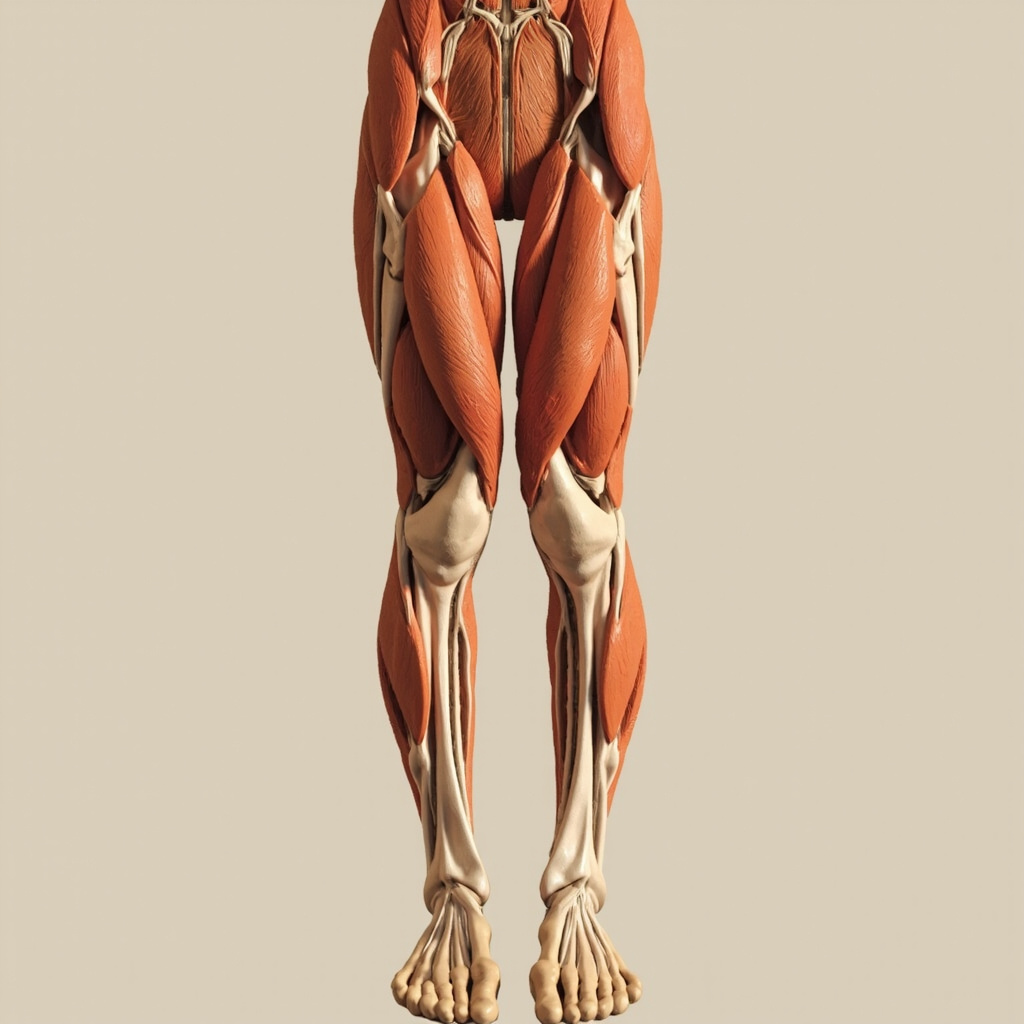
Leg Muscles: The Muscles of the Legs and Thighs
(muscles.legs)Leg muscles are located in the lower part of the body, extending from the hips to the feet. When functioning properly, they enable walking, running, jumping, and maintaining balance and posture. If malfunctioning, issues such as weakness, pain, impaired mobility, and balance problems can occur, significantly affecting daily activities and quality of life.
The leg muscles can enhance overall body stability and mobility, support emotional well-being by facilitating movement and independence, and provide energy and information to other organs, aiding in their optimal functioning and balance.
The legs, particularly their muscles, are often linked to emotions and feelings related to moving forward in life, stability, and support. Issues with the legs can indicate a fear of progress, feeling stuck, or lacking support. They may also reflect a reluctance to move in a certain direction or a feeling of being burdened by responsibilities. Emotional conflicts related to independence, self-sufficiency, or feeling anchored by one's circumstances could manifest in leg problems.
The leg muscles, comprising groups such as the quadriceps, hamstrings, and calf muscles, are essential for a wide range of movements including walking, running, and jumping. Their primary functions include providing stability, facilitating mobility, and supporting posture, which collectively contribute to physical health and overall well-being. These muscles interact closely with the nervous system, which coordinates movement, and the circulatory system, promoting blood flow and oxygen delivery to tissues. This systemic connection is vital for maintaining energy levels and resilience. Furthermore, leg muscles play a significant role in emotional health; they can symbolize feelings of stability and support. Challenges in mobility may reflect deeper emotional issues, such as fear of progress or feeling burdened by life's responsibilities. Thus, maintaining the health of leg muscles not only enhances physical abilities but also fosters mental clarity and emotional balance, supporting a vibrant and energetic life. By nurturing these muscles through exercise and mindful movement, individuals can enhance their vitality and resilience, promoting overall well-being and a sense of empowerment.
In BioCoherence, find the organ biomarkers and structures in Analyze > Body > Organs maps.
To comment, subscribe to the newsletter and get exclusive BioCoherence offers, please create a free account
Legal page
Website (c) 2026 Coherence Labs; contents (c) their respective authors.
Disclaimer BioCoherence provides both an academic analysis and an energetic and experimental analysis.
The information displayed may or may not be correlated with the physical state of the systems.
Calculations are based on individual measurements and experimental algorithms.
All computed results like energy levels, entropy levels and coherent systems are designed to provide useful information for personal development, not for medical purposes. The usage of all results are under the sole responsibility or the user. In case of doubt, it is important to consult a medical doctor. Please check our EULA before deciding your use of the software.