


Body zones
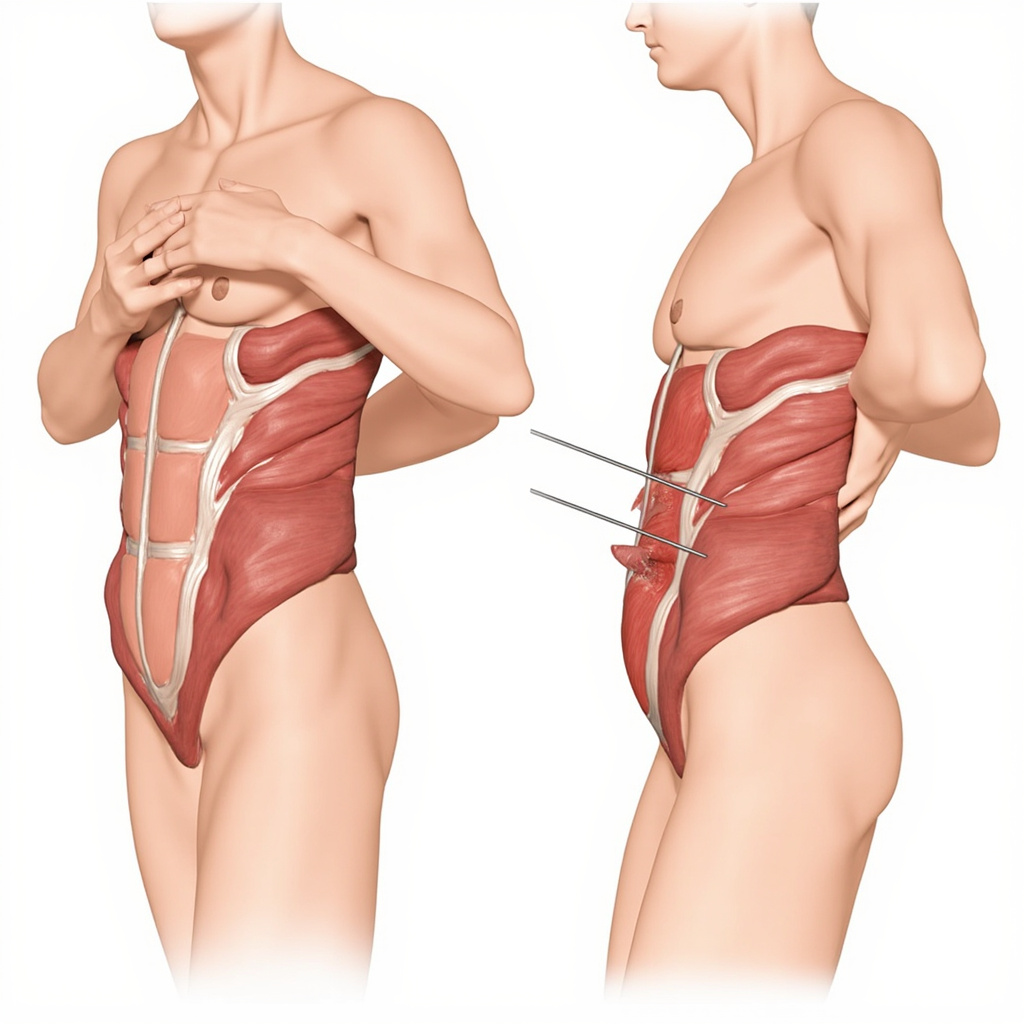
Inguinal Muscles: Groin Muscle Structure and Function
(muscles.inguinal)The inguinal region is located in the lower abdomen, near the groin. Properly functioning inguinal muscles support abdominal contents and assist in movements such as bending and twisting. If these muscles malfunction, it can lead to inguinal hernias, causing pain, discomfort, and potentially severe complications if untreated.
The inguinal muscles can help other organs by providing physical stability and support during movement, enhancing overall body function, and addressing emotional well-being by fostering feelings of strength and security, which can alleviate psychological conflicts related to personal direction and purpose.
The inguinal region, particularly the muscles, may be linked to emotions and feelings of insecurity, vulnerability, and feeling unsupported. Issues in this area can indicate a conflict related to moving forward in life or a struggle with one's direction and purpose. The malfunctioning of inguinal muscles may also reflect a fear of not being able to stand up for oneself or a need for more strength and stability in personal or professional life.
The inguinal muscles, located in the lower abdomen and groin area, play a vital role in maintaining core stability and facilitating movement, such as bending and twisting. These muscles support the abdominal organs and contribute to overall physical strength, which is essential for energy and vitality. Functionally, they interact with the abdominal wall, pelvic floor, and hip flexors, ensuring coordinated movement during physical activities. This muscular region is also linked to emotional well-being; dysfunction may manifest as feelings of insecurity or vulnerability, reflecting deeper psychological conflicts regarding personal direction and self-assertion. By fostering physical resilience, the inguinal muscles help individuals feel grounded and secure, enhancing both mental clarity and energetic balance. Strengthening these muscles can lead to improved stability and confidence, supporting overall health and well-being. Their impact extends beyond mere physical function, intertwining with emotional stability, thereby contributing to a holistic sense of vitality and resilience in daily life challenges.
In BioCoherence, find the organ biomarkers and structures in Analyze > Body > Organs maps.
BioCoherence Personal Guide Meditation
Visualize the inguinal area, located in the lower region of the abdomen, where the torso meets the upper thighs. Picture this area as a bridge connecting the body's core to the legs.
Imagine the inguinal muscles, strong and resilient, forming a supportive network around this junction. These muscles play a vital role in stabilizing Your movements and providing balance. They assist in lifting Your legs, bending at the waist, and supporting the weight of the upper body.
Feel the gentle strength of the inguinal muscles as they contract and relax with each breath You take. Envision their fibers working harmoniously with the surrounding tissues, ensuring the fluidity of Your movements and the stability of Your posture.
Acknowledge the importance of these muscles in Your daily activities, from walking and running to bending and twisting. Appreciate their tireless effort in maintaining the integrity of Your lower abdomen and supporting the intricate mechanics of Your body.
Allow Your awareness to linger here, honoring the inguinal region for its crucial role in Your physical well-being.
BioCoherence Personal Guide Resource Meditation
Now, focus your attention on the lower region of your abdomen, near the crease where your thigh meets your torso. This is the location of your inguinal region, a powerful source of energy and balance within your body. Imagine a warm, gentle light emanating from this area, radiating strength and stability.
Visualize this light growing brighter and more concentrated with each breath you take. As you inhale, draw in energy from the universe, allowing it to pool in this region. As you exhale, feel this energy becoming more potent and dynamic. Know that this inguinal area is a center of support and resilience, capable of sending out waves of harmonious energy to other parts of your body.
Allow this energy to build, feeling the warmth and strength intensify. Picture it as a vibrant, shimmering force that grows stronger with every heartbeat. This energy is now ready to be shared, to bring balance and support to your organs, meridians, emotions, and acupuncture points.
With your next few breaths, imagine this powerful energy flowing from the inguinal region to wherever it is needed most in your body. Feel it move effortlessly, providing healing, balance, and vitality to each area it touches.
Prepare to direct this energy towards specific priorities that need assistance, knowing that the inguinal region will continue to be a steadfast and abundant resource.