


Body zones
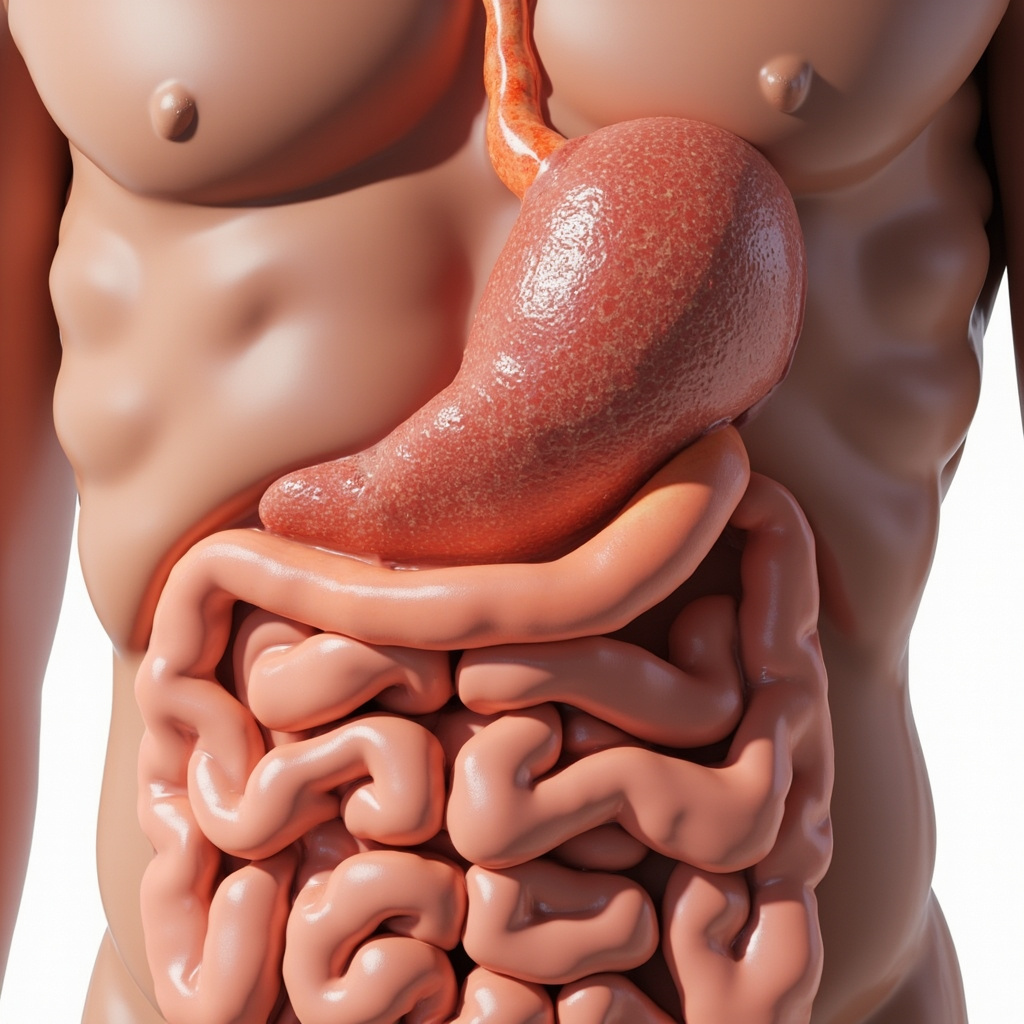
Mucosa of the Stomach: Protective Lining and Functions
(mucosae.stomach)The stomach is located in the upper abdomen, just below the ribcage. When functioning properly, it secretes acid and enzymes to digest food, churns food to mix it with digestive juices, and regulates the release of partially digested food into the small intestine. If the stomach malfunctions, it can lead to issues such as acid reflux, ulcers, gastritis, and impaired digestion, causing symptoms like pain, bloating, nausea, and nutrient deficiencies.
The stomach can help other organs by providing essential nutrients and energy through the efficient digestion and absorption of food, regulating the release of digestive juices to maintain balance, and communicating information about nutrient status and digestive health, which can influence overall bodily functions and emotional well-being.
The stomach is often linked to emotions and feelings such as fear, anxiety, and unresolved conflicts. A possible cause of malfunctioning in the stomach mucosae could be related to experiencing difficulty in "digesting" a situation or event, feeling overwhelmed, or having an inability to process or accept something in one's life. These emotional stressors can manifest physically, leading to issues like ulcers or gastritis.
The mucosa of the stomach is a vital protective layer that lines the stomach's interior, playing a crucial role in digestion and overall health. This mucosal layer secretes mucus, which safeguards the stomach wall from harsh gastric acids, and provides a barrier against pathogens. Its primary functions include facilitating the digestion of food through enzyme secretion and regulating the passage of chyme into the small intestine. The stomach mucosa interacts closely with other digestive organs, such as the pancreas and liver, coordinating nutrient absorption and metabolic processes, which are essential for maintaining energy levels and resilience. Emotionally, the stomach is often linked to feelings of anxiety and stress, reflecting the brain-gut connection; disturbances in this mucosal layer can influence mood and mental clarity. Thus, a healthy stomach mucosa supports not only physical vitality through efficient digestion but also enhances emotional well-being by promoting a balanced gut-brain axis. Maintaining the integrity of the stomach mucosa is therefore crucial for overall well-being, energy, and resilience, allowing individuals to thrive in their daily lives.
In BioCoherence, find the organ biomarkers and structures in Analyze > Body > Organs maps.
To comment, subscribe to the newsletter and get exclusive BioCoherence offers, please create a free account
Legal page
Website (c) 2026 Coherence Labs; contents (c) their respective authors.
Disclaimer BioCoherence provides both an academic analysis and an energetic and experimental analysis.
The information displayed may or may not be correlated with the physical state of the systems.
Calculations are based on individual measurements and experimental algorithms.
All computed results like energy levels, entropy levels and coherent systems are designed to provide useful information for personal development, not for medical purposes. The usage of all results are under the sole responsibility or the user. In case of doubt, it is important to consult a medical doctor. Please check our EULA before deciding your use of the software.