


Body zones
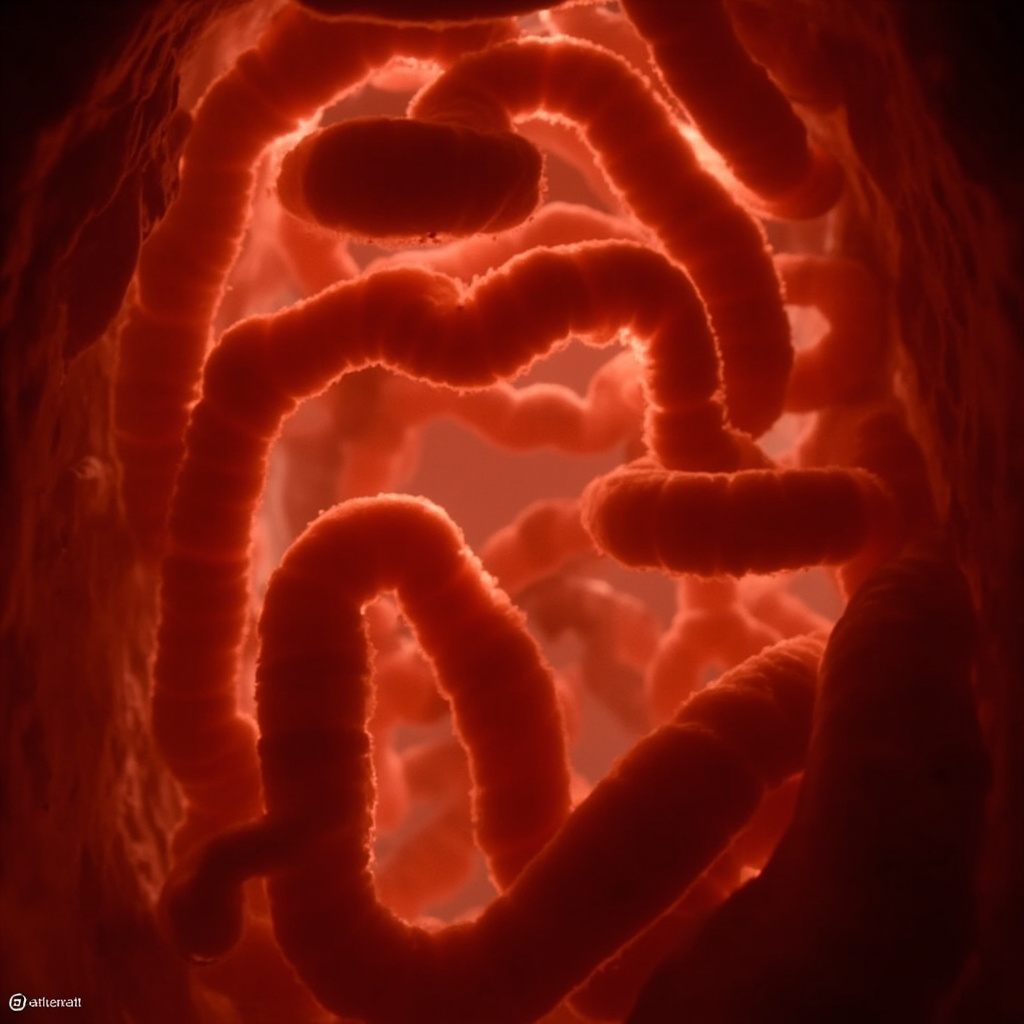
Mucosa of the Small Intestine: Inner Lining Explained
(mucosae.smallintestine)The small intestine is a long, coiled tube located in the abdominal cavity between the stomach and the large intestine. It is responsible for the majority of nutrient absorption and digestion. When functioning properly, it breaks down food using enzymes and absorbs nutrients into the bloodstream. If malfunctioning, it can lead to malabsorption, resulting in nutritional deficiencies, weight loss, diarrhea, and a range of other gastrointestinal issues.
The small intestine can help other organs by ensuring efficient nutrient absorption and digestion, providing essential energy and nutrients that support overall bodily functions, while also aiding emotional processing and integration of experiences, thus promoting balance and reducing stress-related symptoms.
The small intestine is linked to emotions and feelings of being unable to fully digest or assimilate an experience, whether it be a situation, relationship, or information. A malfunction in this organ may indicate unresolved conflicts related to absorbing and processing life events, feelings of being overwhelmed, or an inability to separate the useful from the waste. It reflects difficulties in accepting and integrating life's circumstances, leading to stress and potential physical symptoms.
The mucosa of the small intestine is the innermost lining of this vital organ, composed of epithelial cells that facilitate the absorption of nutrients and the secretion of digestive enzymes. This mucosal layer plays a crucial role in maintaining physical health by ensuring that macronutrients, vitamins, and minerals enter the bloodstream effectively, supporting energy production and overall vitality. The small intestine's mucosa interacts closely with the gastrointestinal system and the liver, which processes absorbed nutrients, highlighting its systemic connections. Furthermore, a healthy mucosal lining contributes to mental resilience, as it influences the gut-brain axis, affecting mood and cognitive functions. Emotionally, the small intestine's mucosal health can reflect one's ability to process experiences, with dysfunction potentially indicating challenges in integrating life's events. This connection underscores the importance of digestive health in achieving emotional balance and reducing stress. By supporting the mucosal integrity through a balanced diet and lifestyle, individuals can enhance their energetic well-being, leading to improved resilience and a greater sense of overall health.
In BioCoherence, find the organ biomarkers and structures in Analyze > Body > Organs maps.
To comment, subscribe to the newsletter and get exclusive BioCoherence offers, please create a free account
Legal page
Website (c) 2026 Coherence Labs; contents (c) their respective authors.
Disclaimer BioCoherence provides both an academic analysis and an energetic and experimental analysis.
The information displayed may or may not be correlated with the physical state of the systems.
Calculations are based on individual measurements and experimental algorithms.
All computed results like energy levels, entropy levels and coherent systems are designed to provide useful information for personal development, not for medical purposes. The usage of all results are under the sole responsibility or the user. In case of doubt, it is important to consult a medical doctor. Please check our EULA before deciding your use of the software.