


Body zones
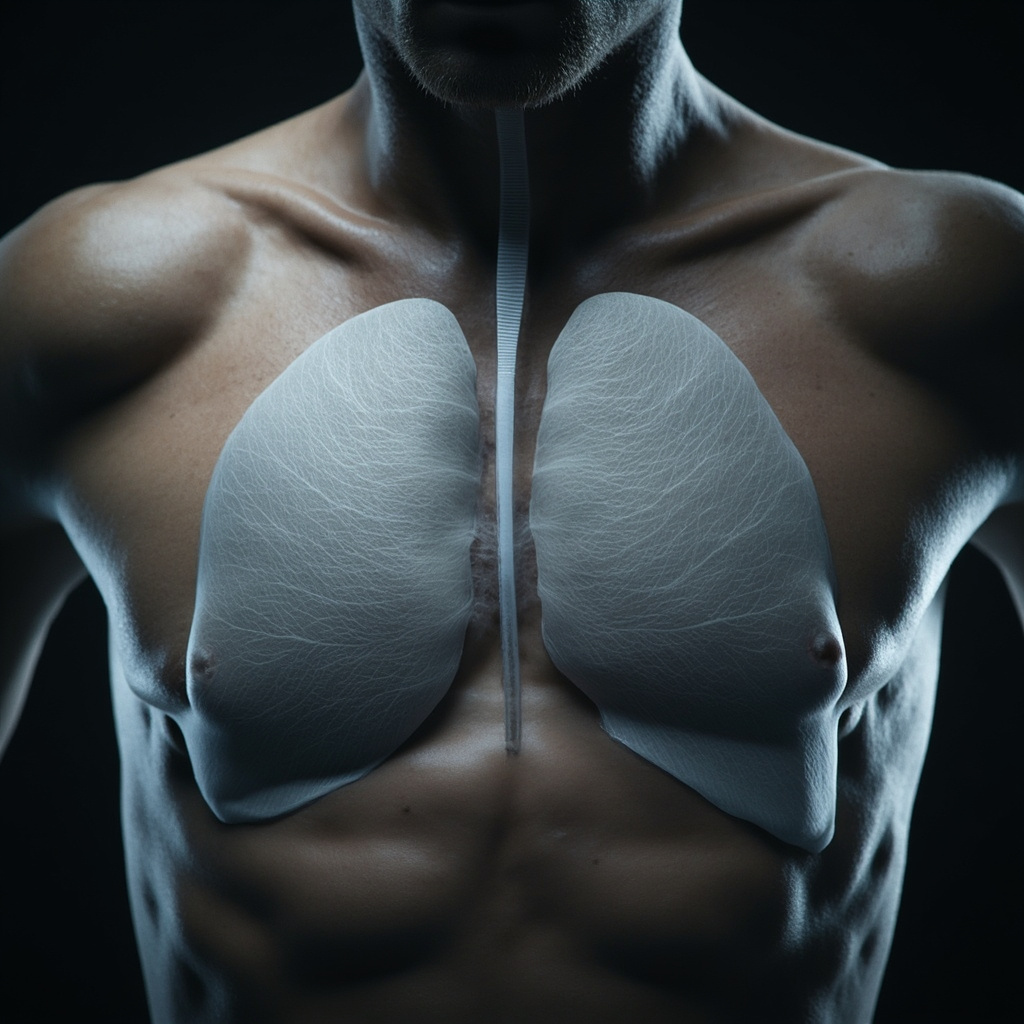
Diaphragm: Muscle separating chest and abdomen
(membranes.diaphragm)The diaphragm is a dome-shaped muscle located at the base of the lungs and heart, separating the thoracic cavity from the abdominal cavity. When functioning properly, it contracts and flattens during inhalation, increasing the thoracic cavity's volume and allowing the lungs to expand and fill with air. If the diaphragm malfunctions, it can lead to breathing difficulties, reduced oxygen intake, and conditions such as diaphragmatic paralysis or respiratory distress.
The diaphragm can help other organs by enhancing oxygen intake and overall respiratory function, promoting relaxation and emotional balance, and facilitating the release of pent-up stress or tension, thereby supporting overall vitality and well-being.
The diaphragm, linked to the action of breathing and the expression of life force, is associated with emotions such as fear and anxiety. A malfunction in the diaphragm may indicate underlying emotional stress, feelings of being trapped, or a struggle for autonomy. It reflects a conflict between the need for freedom and the fear of losing control.
The diaphragm is a crucial muscle that plays a vital role in respiration and overall health. By contracting and flattening during inhalation, it facilitates the expansion of the lungs, thereby maximizing oxygen intake and promoting efficient gas exchange. This process not only supports physical vitality but also contributes to mental clarity and emotional stability, as adequate oxygen levels are essential for brain function. The diaphragm interacts closely with other structures, including the intercostal muscles and the abdominal muscles, to optimize breathing patterns and enhance core stability, which is important for movement and posture. Additionally, the diaphragm is linked to the autonomic nervous system, influencing stress responses and emotional regulation. Physical tension in this area can indicate unresolved emotional issues, such as anxiety or a sense of restriction, thus highlighting its role in emotional well-being. By ensuring effective breathing and facilitating relaxation, the diaphragm enhances overall resilience, energy levels, and a sense of well-being, making it integral to both physical and energetic health.
In BioCoherence, find the organ biomarkers and structures in Analyze > Body > Organs maps.
To comment, subscribe to the newsletter and get exclusive BioCoherence offers, please create a free account
Legal page
Website (c) 2026 Coherence Labs; contents (c) their respective authors.
Disclaimer BioCoherence provides both an academic analysis and an energetic and experimental analysis.
The information displayed may or may not be correlated with the physical state of the systems.
Calculations are based on individual measurements and experimental algorithms.
All computed results like energy levels, entropy levels and coherent systems are designed to provide useful information for personal development, not for medical purposes. The usage of all results are under the sole responsibility or the user. In case of doubt, it is important to consult a medical doctor. Please check our EULA before deciding your use of the software.