


Body zones
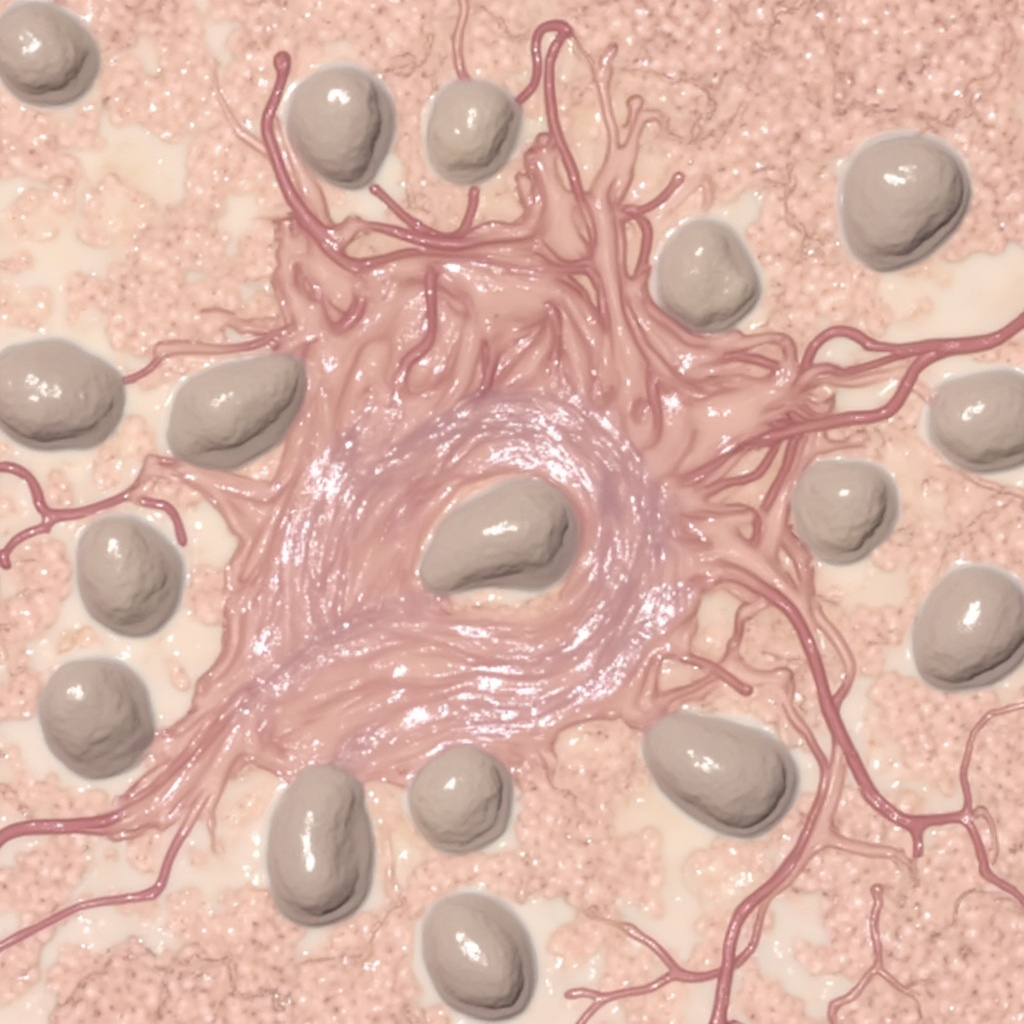
Lymph Nodes: Small Organs of the Immune System
(lymphatic.nodes)Lymphatic nodes, or lymph nodes, are small, bean-shaped structures located throughout the body, particularly in the neck, armpits, groin, and abdomen. They function as filters for lymphatic fluid, trapping bacteria, viruses, and other foreign substances which are then destroyed by specialized white blood cells known as lymphocytes. Proper functioning of lymph nodes is crucial for a healthy immune response. If lymph nodes malfunction, it can lead to a compromised immune system, resulting in increased susceptibility to infections and diseases, or conditions such as lymphedema and lymphadenopathy.
Lymphatic nodes can enhance the functioning of other priority organs by filtering out harmful substances, supporting immune responses, and promoting emotional well-being through the release of stress and tension associated with feelings of vulnerability and self-defense.
Lymphatic nodes are linked to feelings of protection, self-defense, and vulnerability. Malfunctioning or issues with lymph nodes may indicate unresolved conflicts related to feeling attacked, needing to defend oneself, or feeling unprotected. Emotional stress, fear, or a sense of helplessness in facing external threats can contribute to these issues.
Lymph nodes are crucial components of the lymphatic system, serving as filters for lymphatic fluid and playing a vital role in the body's immune response. They contain lymphocytes, a type of white blood cell that identifies and neutralizes pathogens like bacteria and viruses, thus protecting the body from infections. The proper functioning of lymph nodes is essential for maintaining energy, vitality, and overall resilience, as they help prevent the overload of harmful substances in the body. Additionally, lymph nodes interact closely with other immune organs, such as the spleen and thymus, and are influenced by the overall circulatory system, emphasizing their systemic connections. Beyond their physical role, lymph nodes are associated with emotional well-being; issues with these nodes can reflect feelings of vulnerability or the need for self-protection. By promoting effective immune function and supporting emotional health, lymph nodes contribute significantly to overall well-being, enhancing one's capacity to cope with stress and maintain a balanced energetic state.
In BioCoherence, find the organ biomarkers and structures in Analyze > Body > Organs maps.
To comment, subscribe to the newsletter and get exclusive BioCoherence offers, please create a free account
Legal page
Website (c) 2026 Coherence Labs; contents (c) their respective authors.
Disclaimer BioCoherence provides both an academic analysis and an energetic and experimental analysis.
The information displayed may or may not be correlated with the physical state of the systems.
Calculations are based on individual measurements and experimental algorithms.
All computed results like energy levels, entropy levels and coherent systems are designed to provide useful information for personal development, not for medical purposes. The usage of all results are under the sole responsibility or the user. In case of doubt, it is important to consult a medical doctor. Please check our EULA before deciding your use of the software.