


Body zones
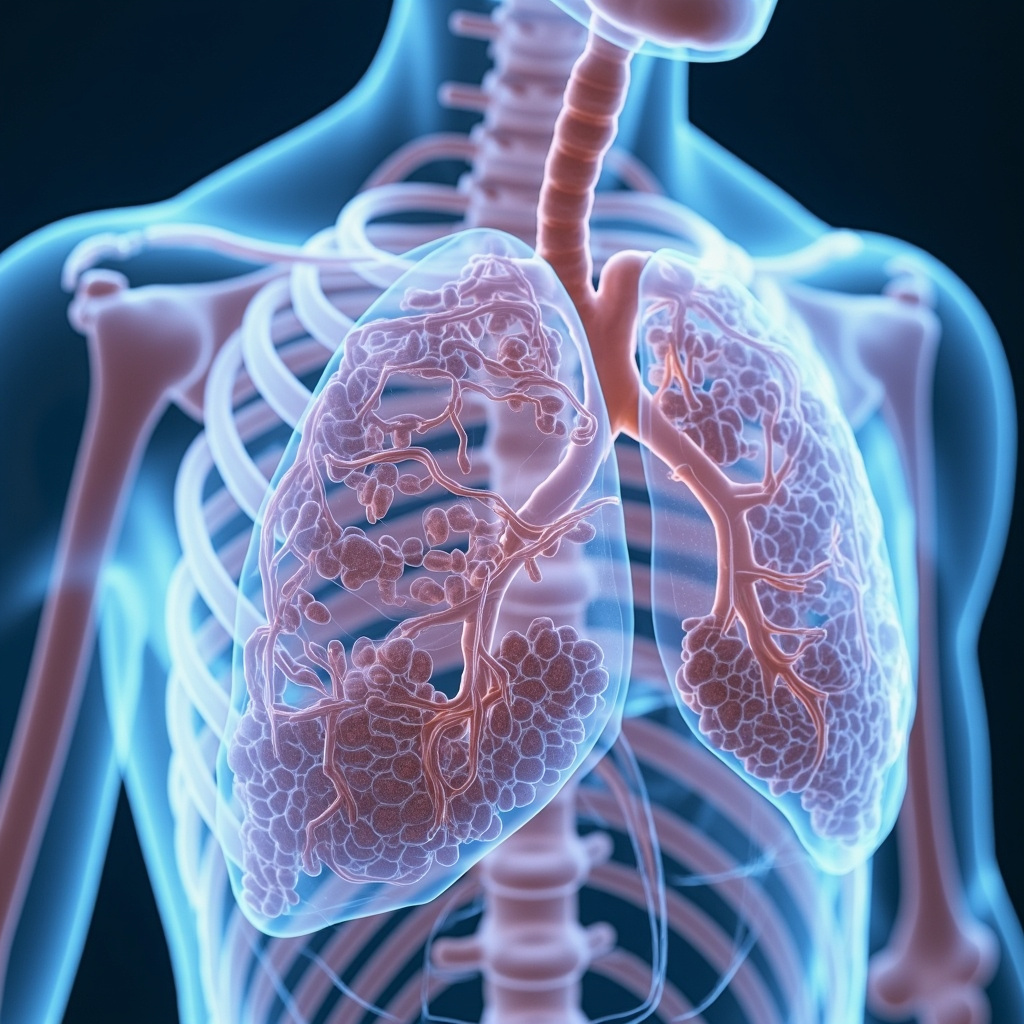
Lymphatic System: Chest Region Components
(lymphatic.chest)The chest, in the context of the lymphatic system, is located in the thoracic region of the body. It houses crucial components like the thoracic duct and lymph nodes. When functioning properly, it facilitates the transport of lymph, aids in filtering harmful substances, and supports immune responses. If malfunctioning, it can lead to conditions such as lymphedema, compromised immunity, and increased susceptibility to infections.
The chest can help other priority organs by enhancing lymphatic drainage, improving immune function, and providing emotional support through the regulation of stress responses and promoting a sense of security and nurturing.
The chest, particularly in the context of the lymphatic system, can be associated with emotions and feelings related to protection, self-defense, and nurturing. A malfunction in this area might indicate unresolved conflicts or stress regarding one's sense of security, feeling attacked or vulnerable, or issues with giving and receiving care. Emotional burdens or a perceived threat to one's well-being could potentially manifest as physical symptoms in the chest and lymphatic regions.
The lymphatic system in the chest region plays a vital role in maintaining overall health by facilitating the transport of lymph, a fluid that contains immune cells and waste products. Key components like the thoracic duct and various lymph nodes are essential for filtering harmful substances and mounting immune responses, thus enhancing the body's resilience against infections. Interactions with the cardiovascular system are critical, as the lymphatic system aids in fluid balance and supports blood circulation, while also influencing metabolic health through nutrient absorption in the gut. Emotionally, the chest area is linked to feelings of protection and nurturing; disruptions in lymphatic function may reflect unresolved stress or emotional issues, potentially leading to physical symptoms. By promoting efficient lymphatic drainage and immune function, the chest's lymphatic components contribute to energy, vitality, and overall well-being. Ensuring the proper functioning of this system not only bolsters physical health but also fosters a sense of emotional stability, highlighting the interconnectedness of mind and body in achieving optimal health.
In BioCoherence, find the organ biomarkers and structures in Analyze > Body > Organs maps.
To comment, subscribe to the newsletter and get exclusive BioCoherence offers, please create a free account
Legal page
Website (c) 2026 Coherence Labs; contents (c) their respective authors.
Disclaimer BioCoherence provides both an academic analysis and an energetic and experimental analysis.
The information displayed may or may not be correlated with the physical state of the systems.
Calculations are based on individual measurements and experimental algorithms.
All computed results like energy levels, entropy levels and coherent systems are designed to provide useful information for personal development, not for medical purposes. The usage of all results are under the sole responsibility or the user. In case of doubt, it is important to consult a medical doctor. Please check our EULA before deciding your use of the software.