


Body zones
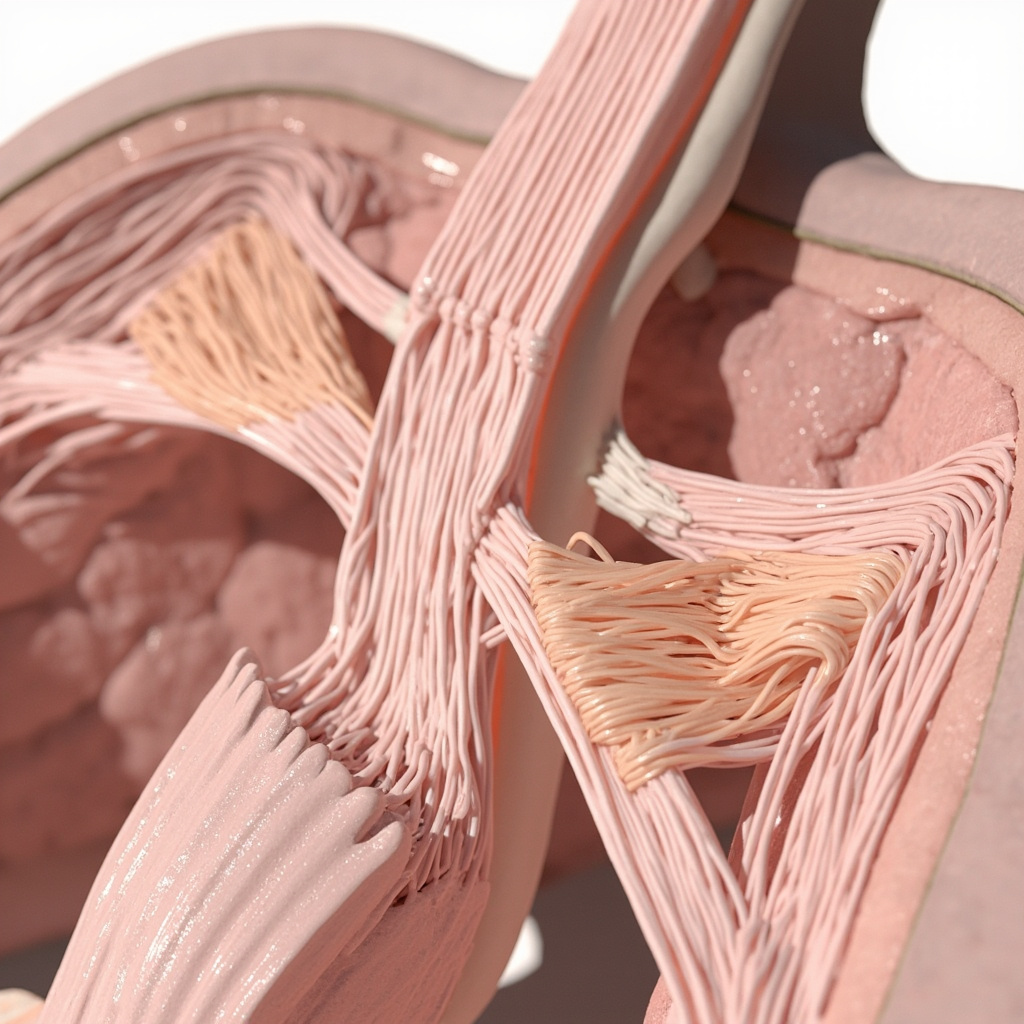
Smooth Muscles: Supporting Lungs and Bronchi Function
(lungs.bronchi.smoothmuscles)Smooth muscles, found in the walls of organs like the lungs and bronchi, are involuntary muscles that help regulate airflow by contracting and relaxing. When functioning properly, they maintain open airways and support effective breathing. Malfunctioning smooth muscles can lead to conditions such as asthma, causing airway constriction, breathing difficulties, and reduced oxygen intake.
Smooth muscles in the lungs and bronchi can help by regulating airflow, ensuring open airways for effective breathing, and alleviating respiratory issues linked to emotional stress or fear, thereby supporting overall respiratory health.
Smooth muscles, particularly in the lungs and bronchi, are often associated with feelings of fear, threat, or danger, particularly related to territory or existential survival. Emotional conflicts involving suffocation, feeling trapped, or an inability to escape a threatening situation can lead to dysfunction in these muscles. The body may respond to these subconscious fears by tightening or constricting the smooth muscles, potentially causing respiratory issues such as asthma or bronchospasms.
Smooth muscles in the lungs and bronchi play a crucial role in the respiratory system by controlling the diameter of airways through involuntary contractions and relaxations. This dynamic regulation ensures optimal airflow, promoting effective gas exchange and supporting overall physical vitality. When smooth muscles function harmoniously, they contribute to enhanced oxygen intake, which is vital for both physical and mental health; inadequate oxygen can lead to fatigue, anxiety, and decreased cognitive function. These muscles interact closely with the nervous system and the diaphragm, creating a coordinated response that influences breath rate and depth. Additionally, smooth muscle health is linked to emotional well-being, as stress and anxiety can lead to muscle tension, exacerbating conditions like asthma or bronchoconstriction. By fostering a sense of safety and emotional balance, individuals can promote the healthy functioning of these muscles, thereby enhancing their energy levels and resilience. Ultimately, maintaining the integrity of smooth muscles in the lungs and bronchi is essential for achieving optimal well-being, vitality, and a sense of energetic flow throughout the body.
In BioCoherence, find the organ biomarkers and structures in Analyze > Body > Organs maps.
To comment, subscribe to the newsletter and get exclusive BioCoherence offers, please create a free account
Legal page
Website (c) 2026 Coherence Labs; contents (c) their respective authors.
Disclaimer BioCoherence provides both an academic analysis and an energetic and experimental analysis.
The information displayed may or may not be correlated with the physical state of the systems.
Calculations are based on individual measurements and experimental algorithms.
All computed results like energy levels, entropy levels and coherent systems are designed to provide useful information for personal development, not for medical purposes. The usage of all results are under the sole responsibility or the user. In case of doubt, it is important to consult a medical doctor. Please check our EULA before deciding your use of the software.