


Body zones
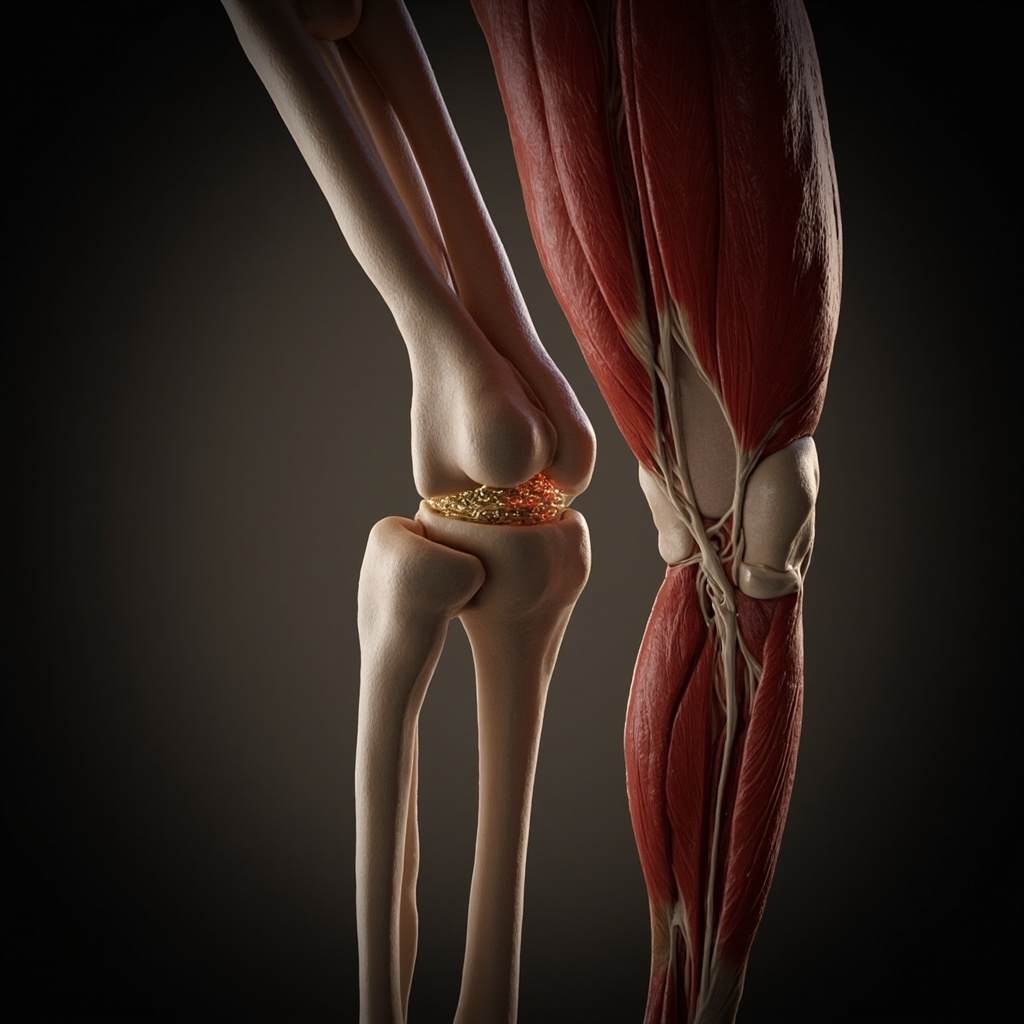
Locomotor System: Body Structures for Movement
(locomotor)The locomotor system, primarily localized in the muscles, bones, joints, and associated nerves, enables movement and coordination in the body. When functioning properly, it allows for smooth, controlled, and efficient physical activity. If malfunctioning, it can lead to impaired movement, pain, stiffness, and reduced mobility, significantly affecting daily activities and overall quality of life.
The locomotor system can help other organs by enhancing physical activity, promoting circulation and oxygen delivery, facilitating communication through body movements, and alleviating stress, which in turn supports emotional well-being and overall health.
The locomotor system, comprising muscles, bones, and joints, is often linked to emotions and feelings of movement, freedom, and support. Issues in this system may reflect a conflict or stress related to one's capacity to move forward in life, feeling stuck, burdened, or unsupported. Emotional burdens, a lack of self-support, or feeling constrained by external circumstances may manifest as physical problems in the locomotor system.
The locomotor system is essential for facilitating movement through a complex interplay of muscles, bones, joints, and nerves, which work together to enable physical activity and coordination. This system plays a pivotal role in maintaining physical health, as it not only supports mobility but also enhances circulation, promotes oxygen delivery to tissues, and aids in the detoxification process. The locomotor system's interaction with the nervous system is crucial; for instance, motor neurons transmit signals that control muscle contractions, linking voluntary movement with brain activity. Furthermore, the health of the locomotor system is closely tied to emotional well-being, as physical limitations can lead to feelings of frustration or helplessness, impacting mental health. Energetically, a well-functioning locomotor system fosters vitality and resilience, allowing individuals to engage fully in life's activities, enhancing their capacity for stress management and emotional expression. By nurturing the locomotor system through regular exercise, proper nutrition, and mindful movement, one can significantly improve overall well-being, promoting a balanced and energetic lifestyle.
In BioCoherence, find the organ biomarkers and structures in Analyze > Body > Organs maps.
BioCoherence Personal Guide Meditation
Visualize the locomotor system within Your body. Begin by focusing on Your skeleton, the framework that supports and shapes You. Picture Your bones, strong and sturdy, interconnected like a complex puzzle. These bones are what give You the ability to stand tall and move with grace.
Now, imagine the muscles that wrap around Your bones. These muscles work tirelessly to enable every movement You make, from the smallest twitch to the grandest gesture. Visualize them contracting and relaxing, working in perfect harmony to lift Your arms, bend Your knees, and propel You forward.
Consider the joints, the points where two bones meet. These are the hinges that allow for flexibility and range of motion. Feel the smoothness of movement as cartilage cushions and lubricates these joints, ensuring that each motion is fluid and pain-free.
Picture the tendons, the strong, fibrous cords that connect Your muscles to Your bones. These tendons transmit the force generated by Your muscles, allowing You to move with power and precision.
Your locomotor system is a marvel of engineering, a seamless blend of strength and flexibility. It enables You to explore the world, to express Yourself through movement, and to experience the joy of physical activity. Feel a deep sense of gratitude for this intricate system that supports and empowers You every day.
BioCoherence Personal Guide Resource Meditation
Visualize the heart, located in the center of your chest, just slightly to the left. Feel its steady, rhythmic beat, a powerful source of life and energy. The heart is not just an organ; it is a central reservoir of vitality, capable of sending energy and information throughout your entire body.
As you focus on the heart, imagine it glowing with a warm, radiant light. This light represents the purest form of life energy, pulsating with every heartbeat. Feel the warmth spreading throughout your chest, filling you with a sense of calm and strength.
The heart is deeply connected to every other part of your being. It supports and nurtures all your organs, meridians, emotions, and acupuncture points. Picture streams of light emanating from your heart, reaching out like gentle tendrils, connecting with various parts of your body. These streams carry energy and information, bringing balance and harmony wherever they touch.
Take a deep breath in, and as you exhale, feel the energy of your heart growing even stronger. With each breath, this energy becomes more vibrant and powerful. You are cultivating a formidable source of strength within you.
Now, imagine this powerful heart energy flowing through your entire body. It moves effortlessly, reaching every priority that requires support. Visualize these areas being bathed in the warm, radiant light, receiving the energy they need to heal, balance, and thrive.
Hold this visualization and allow the heart's energy to continue its work. Stay open and receptive, knowing that the heart's energy will seamlessly transition to support the next priorities in your meditation.