


Body zones
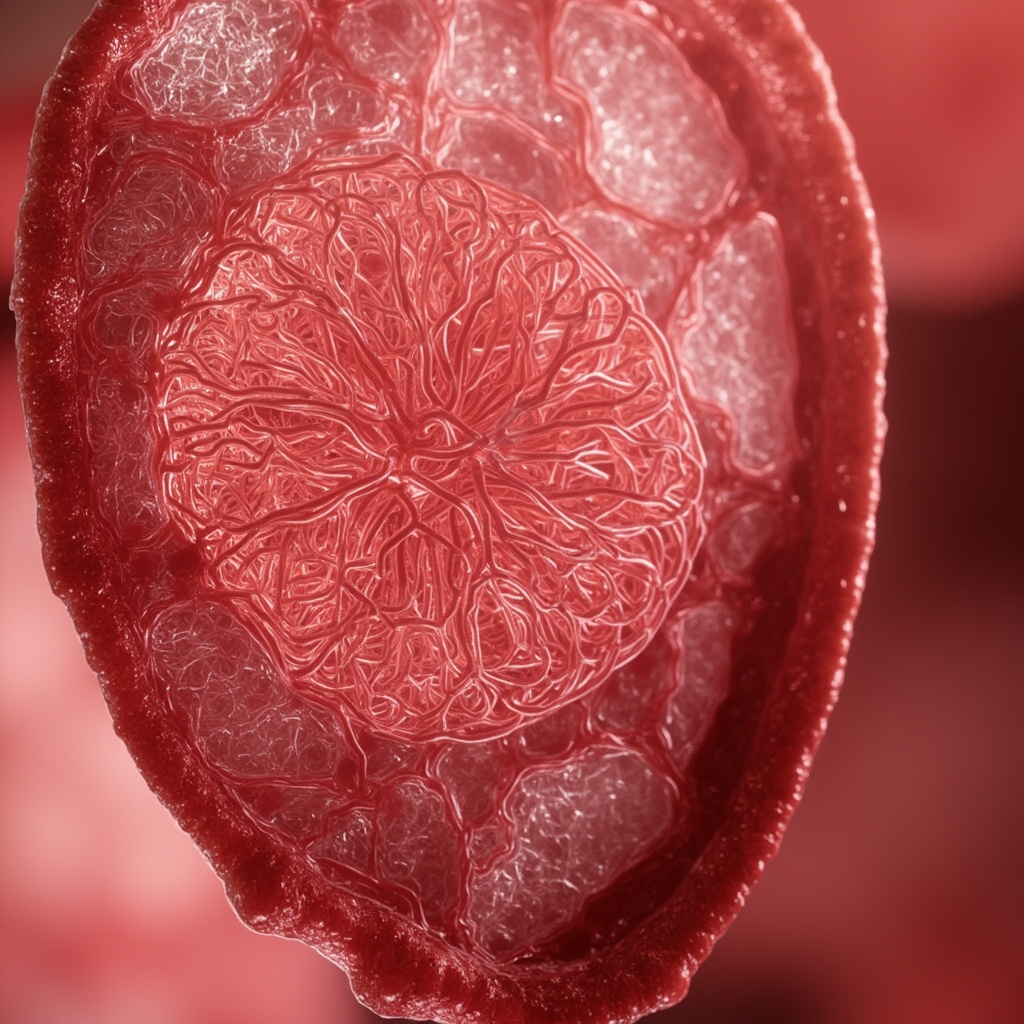
glomerulus:part of the kidney that filters blood
(kidneys.glomerulus)The glomerulus is a network of capillaries located at the beginning of a nephron in the kidney. It functions as a critical filtration unit, filtering blood to form urine by allowing water and small solutes to pass while retaining larger molecules like proteins and blood cells. If the glomerulus malfunctions, it can lead to conditions such as proteinuria, hematuria, or chronic kidney disease, resulting in impaired waste elimination and fluid imbalance in the body.
The glomerulus can help other priority organs by ensuring proper filtration of blood, maintaining fluid and electrolyte balance, and signaling emotional well-being, which in turn supports overall health and the functioning of interconnected systems.
The glomerulus in the kidneys is linked to emotions and feelings of filtering out what is essential and discarding what is not. Malfunctioning of this organ may indicate unresolved issues related to feelings of being overwhelmed by responsibilities or toxic situations. It can also reflect conflicts about one's ability to discern and eliminate negative influences or emotional toxins from one's life.
The glomerulus is a vital structure within the kidney, composed of a network of capillaries that plays a crucial role in blood filtration. Its primary function is to filter blood, allowing essential nutrients and water to pass while retaining larger molecules like proteins and blood cells. This filtration process is essential for maintaining homeostasis, supporting fluid and electrolyte balance, and preventing the buildup of toxins. The glomerulus interacts closely with other kidney components, such as the nephrons, and with hormones like renin that regulate blood pressure and fluid balance. Additionally, its efficiency affects the overall health of organs such as the heart and liver, emphasizing the interconnectedness of bodily systems. Emotionally, the glomerulus is associated with the ability to discern and release what no longer serves us, reflecting our mental clarity and resilience. When functioning optimally, it supports energy, vitality, and emotional well-being, fostering a sense of balance and strength in the body. Dysfunction in the glomerulus may not only lead to physical health issues, such as kidney disease, but also signify deeper emotional challenges, underscoring the importance of holistic health approaches.
In BioCoherence, find the organ biomarkers and structures in Analyze > Body > Organs maps.
To comment, subscribe to the newsletter and get exclusive BioCoherence offers, please create a free account
Legal page
Website (c) 2026 Coherence Labs; contents (c) their respective authors.
Disclaimer BioCoherence provides both an academic analysis and an energetic and experimental analysis.
The information displayed may or may not be correlated with the physical state of the systems.
Calculations are based on individual measurements and experimental algorithms.
All computed results like energy levels, entropy levels and coherent systems are designed to provide useful information for personal development, not for medical purposes. The usage of all results are under the sole responsibility or the user. In case of doubt, it is important to consult a medical doctor. Please check our EULA before deciding your use of the software.