


Body zones
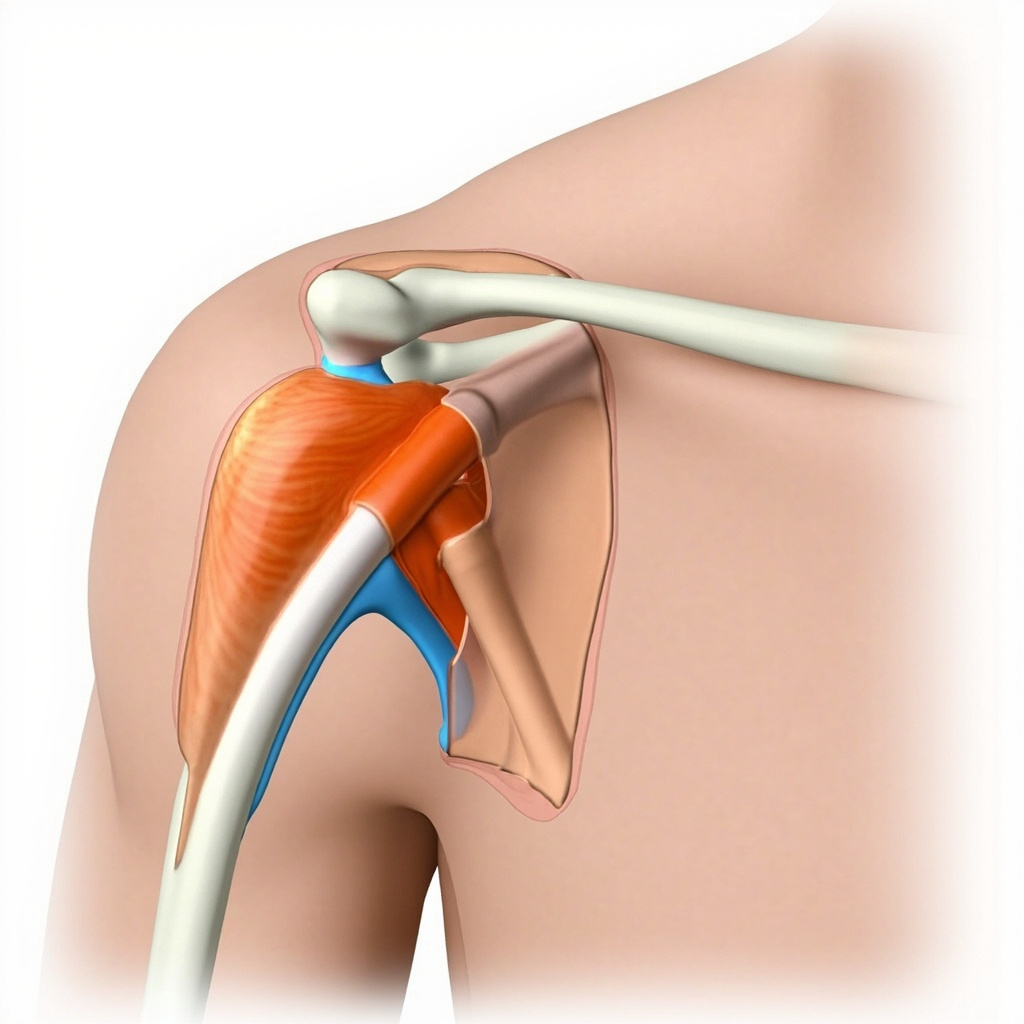
Shoulder Joint: Connection of Arm and Body
(joints.shoulder)The shoulder is a complex joint located where the upper arm bone (humerus) meets the shoulder blade (scapula) and collarbone (clavicle). When functioning properly, it allows a wide range of motion, including lifting, rotating, and moving the arm in various directions. If the shoulder malfunctions, it can lead to pain, reduced mobility, and difficulty performing everyday tasks.
The shoulder can help other priority organs by facilitating movement and energy flow, enhancing overall physical coordination, and promoting emotional balance by alleviating the burdens associated with stress and responsibilities.
The shoulder is often associated with burdens, responsibilities, and the weight of life. Emotional conflicts linked to the shoulder may involve feeling overwhelmed by responsibilities or feeling unsupported. Pain or issues in the shoulder may indicate a struggle with carrying too much on one's shoulders or a desire to shrug off these burdens. Feelings of powerlessness or a lack of strength to handle life's demands can also manifest in shoulder problems.
The shoulder joint is a pivotal structure in the human body, enabling a remarkable range of motion and facilitating essential movements such as lifting, reaching, and rotating the arm. Its primary components-the humerus, scapula, and clavicle-work in concert to provide stability while allowing dynamic flexibility. This joint plays a critical role in maintaining overall physical health by supporting functional movement patterns that enhance coordination and energy flow throughout the body. Additionally, the shoulder is intricately linked to the musculoskeletal system and the nervous system, influencing posture and balance, which are vital for emotional well-being and resilience. Emotionally, the shoulder is associated with the weight of responsibilities; tension or pain may reflect underlying stress or feelings of being overwhelmed. By promoting physical vitality and emotional balance, a healthy shoulder contributes significantly to a person's overall well-being, enhancing resilience against life's challenges. Engaging in activities that strengthen and stabilize the shoulder can foster not only physical health but also a greater sense of empowerment and vitality, reinforcing the body's natural energy systems.
In BioCoherence, find the organ biomarkers and structures in Analyze > Body > Organs maps.
BioCoherence Personal Guide Meditation
Visualize the shoulder, a remarkable joint connecting the arm to the torso. Picture it gently resting where the upper arm meets the body, a central hub of motion and support. Imagine the shoulder as a complex yet elegant structure, composed of bones, muscles, and tendons working harmoniously together.
Feel the shoulder's incredible range of motion, allowing You to lift, reach, and embrace. Picture the muscles surrounding it, strong and resilient, providing stability and strength. These muscles interact seamlessly, enabling fluid movement and bearing the weight of daily activities.
Envision the shoulder's versatility, whether in lifting a heavy object or performing delicate tasks with precision. Sense its ability to rotate and extend, a testament to its intricate design.
Allow Yourself to appreciate the shoulder's essential role in connecting Your arm to Your body, offering both mobility and support. Feel gratitude for its dynamic functionality, enabling You to interact with the world around You effortlessly.
As You breathe, imagine the shoulder bathed in a warm, soothing light, radiating comfort and ease. Let this light permeate every part of the shoulder, melting away any tension or discomfort, leaving it relaxed and rejuvenated.
BioCoherence Personal Guide Resource Meditation
Bring your focus to the shoulder joints, located where your upper arms meet your torso. Visualize these joints as powerful centers of energy and connection, where the arm bones fit snugly into the shoulder sockets, allowing for a wide range of motion and strength.
Imagine the shoulder joints glowing with a warm, radiant light, a light that represents their incredible capacity for support and flexibility. Feel the energy building within these joints, a steady and growing force that can be harnessed and directed to other parts of the body.
As you continue to breathe deeply and evenly, sense this energy becoming stronger and more vibrant. Picture it as a golden light, filling the shoulder joints and radiating outward. This energy is both stabilizing and nurturing, capable of balancing and revitalizing wherever it is needed.
Now, visualize this golden light flowing from your shoulder joints to other areas that require support. With each breath, feel the energy expanding and traveling through your body. It moves effortlessly, sending waves of healing and balance to any priorities that need attention.
Maintain this flow of energy, knowing that your shoulder joints are a constant resource, always ready to provide strength and equilibrium. Allow this glow to remain steady and strong, preparing to direct its energy to the specific priorities that will follow.
Pause here, keeping the connection to your shoulder joints active and vibrant, ready to channel energy to each area in need.