


Body zones
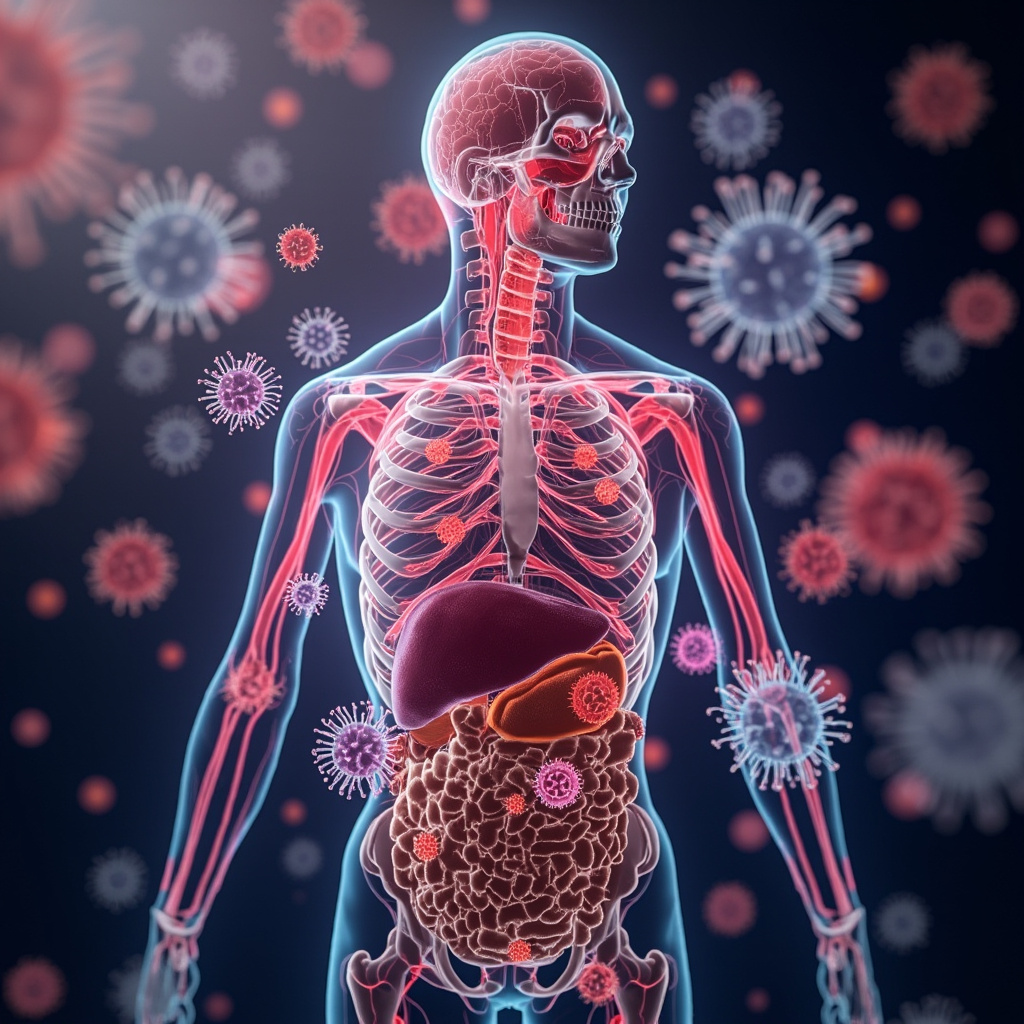
Immune System: Body's Defense Against Diseases
(immunesystem)The immune system is a complex network of cells, tissues, and organs located throughout the body, including the bone marrow, thymus, lymph nodes, spleen, and various mucosal tissues. When functioning properly, it defends against pathogens such as bacteria, viruses, and parasites by recognizing and neutralizing them. If the immune system malfunctions, it can result in immunodeficiency (increased susceptibility to infections), autoimmune diseases (where the body attacks its own tissues), or hypersensitivity (allergic reactions).
The immune system can help other organs by enhancing their resilience through immune signaling, providing essential nutrients and energy, and facilitating communication to maintain balance and address any threats or imbalances they may face.
The immune system is linked to feelings of protection, defense, and self-identity. Malfunctioning may indicate unresolved issues related to self-worth, perceived threats, or a sense of not belonging. It can reflect internal conflicts about one's ability to protect oneself or feeling vulnerable and defenseless against external or internal attacks.
The immune system is a vital defense mechanism composed of specialized cells, tissues, and organs that work in concert to identify and eliminate pathogens, thus preserving overall physical and mental health. Its primary functions include recognizing harmful invaders like bacteria and viruses, generating immune responses, and promoting healing. Through intricate interactions with organs such as the bone marrow, where immune cells are produced, and the thymus, which matures T-cells, the immune system enhances the resilience of the entire body. It communicates with the nervous system, influencing stress responses and emotional well-being, highlighting the connection between physical health and mental vitality. Emotional associations tied to the immune system can involve feelings of safety and self-identity; dysfunction may reflect deeper issues of self-worth and vulnerability. By maintaining a balanced and responsive immune system, individuals can experience greater energy, vitality, and resilience, essential for overall well-being. Supporting this system through proper nutrition, stress management, and regular physical activity can foster optimal health and empower an individual to navigate life's challenges with greater ease and confidence.
In BioCoherence, find the organ biomarkers and structures in Analyze > Body > Organs maps.
To comment, subscribe to the newsletter and get exclusive BioCoherence offers, please create a free account
Legal page
Website (c) 2026 Coherence Labs; contents (c) their respective authors.
Disclaimer BioCoherence provides both an academic analysis and an energetic and experimental analysis.
The information displayed may or may not be correlated with the physical state of the systems.
Calculations are based on individual measurements and experimental algorithms.
All computed results like energy levels, entropy levels and coherent systems are designed to provide useful information for personal development, not for medical purposes. The usage of all results are under the sole responsibility or the user. In case of doubt, it is important to consult a medical doctor. Please check our EULA before deciding your use of the software.