


Body zones
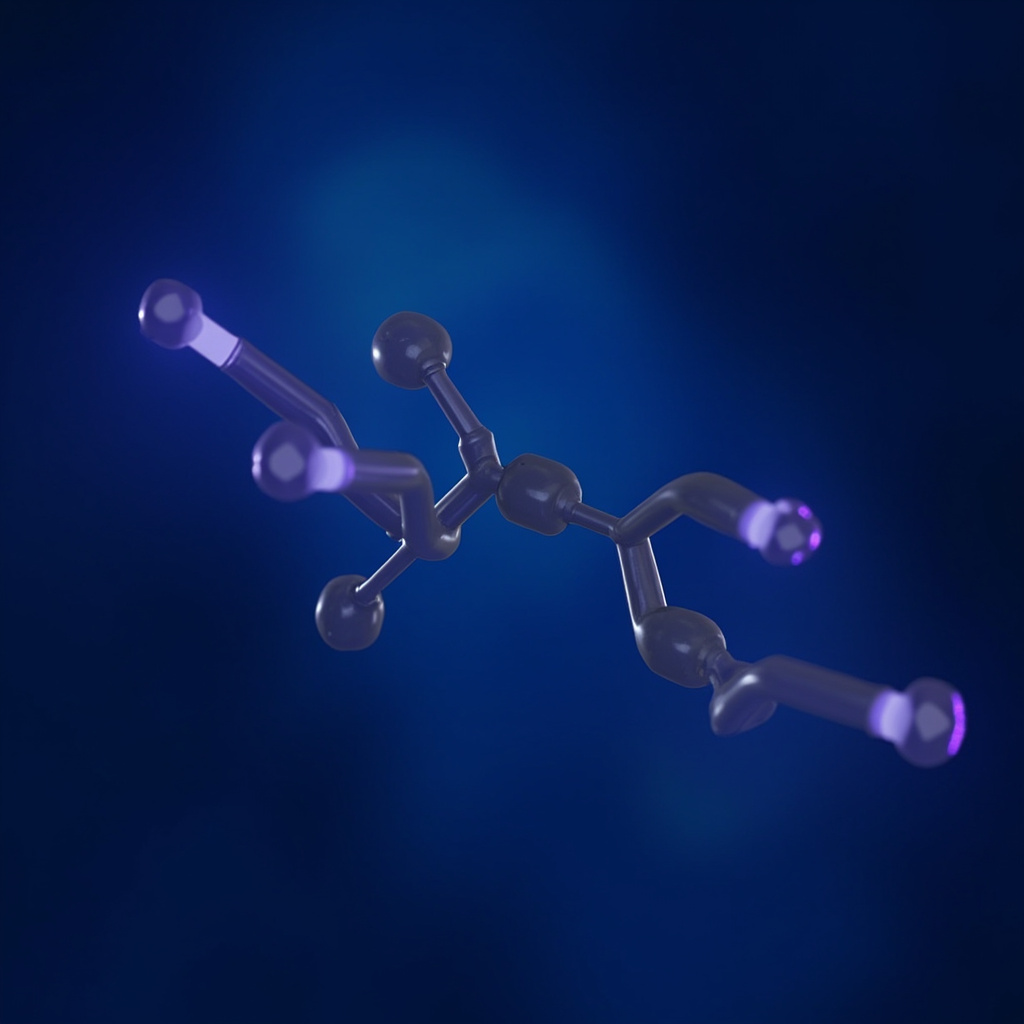
Noradrenaline: A Key Hormone for Stress Response
(hormones.noradrenaline)Noradrenaline, also known as norepinephrine, is a hormone and neurotransmitter primarily produced in the adrenal medulla and the brainstem's locus coeruleus. It plays a crucial role in the body's "fight or flight" response by increasing heart rate, blood pressure, and blood sugar levels. When functioning properly, it helps maintain alertness, focus, and readiness to respond to stress. Malfunctioning noradrenaline levels can lead to conditions such as depression, anxiety, attention deficit hyperactivity disorder (ADHD), and hypertension.
Noradrenaline can help prioritize organ function by enhancing alertness, increasing energy availability, and regulating blood flow during stress, thereby supporting vital processes and maintaining homeostasis in response to perceived threats.
Noradrenaline is linked to the body's response to stress and the fight-or-flight mechanism. Emotional factors such as unresolved fear, anxiety, and survival instincts can affect its balance. A malfunction may indicate that the individual is experiencing intense stress, a perceived threat to survival, or a lack of control over their environment. These emotions can disrupt the normal production and regulation of noradrenaline, leading to physical and psychological symptoms associated with stress responses.
Noradrenaline, or norepinephrine, is a vital hormone and neurotransmitter synthesized primarily in the adrenal medulla and the locus coeruleus of the brain. Its primary functions revolve around enhancing alertness, increasing energy availability, and facilitating the body's response to stress by activating the *sympathetic nervous system*. This activation prioritizes organ function and regulates blood flow, which is crucial during high-stress situations. Noradrenaline interacts closely with other hormones, such as cortisol, and neurotransmitters, like serotonin and dopamine, highlighting its systemic connections in maintaining emotional and physical balance. Imbalances in noradrenaline can lead to emotional disturbances like anxiety and depression, while optimal levels contribute to resilience, vitality, and overall well-being. This hormone is also associated with motivation and focus, influencing one's mental clarity and energy levels. By supporting the body's stress response and ensuring efficient energy utilization, noradrenaline plays a significant role in promoting health, enhancing physical performance, and fostering emotional stability, making it essential for those seeking to optimize their energetic and mental health.
In BioCoherence, find the organ biomarkers and structures in Analyze > Body > Organs maps.
To comment, subscribe to the newsletter and get exclusive BioCoherence offers, please create a free account
Legal page
Website (c) 2026 Coherence Labs; contents (c) their respective authors.
Disclaimer BioCoherence provides both an academic analysis and an energetic and experimental analysis.
The information displayed may or may not be correlated with the physical state of the systems.
Calculations are based on individual measurements and experimental algorithms.
All computed results like energy levels, entropy levels and coherent systems are designed to provide useful information for personal development, not for medical purposes. The usage of all results are under the sole responsibility or the user. In case of doubt, it is important to consult a medical doctor. Please check our EULA before deciding your use of the software.