


Body zones
Cortisol: Stress Hormone and Its Effects on the Body
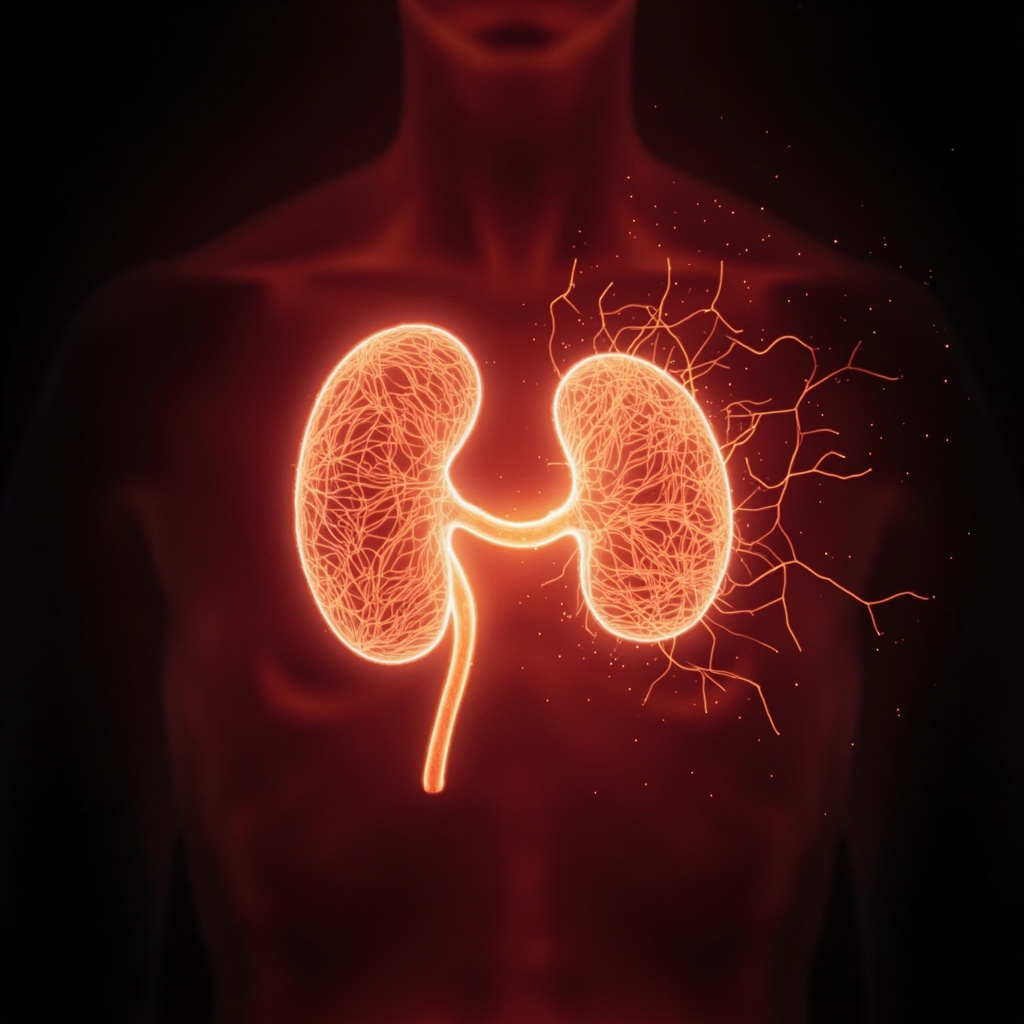
(hormones.cortisol)Cortisol is a hormone produced by the adrenal glands, located on top of the kidneys. It plays a vital role in the body's stress response, regulating metabolism, reducing inflammation, and assisting with memory formulation. Proper cortisol function helps maintain blood sugar levels, blood pressure, and immune responses. Malfunctioning cortisol levels can lead to conditions such as Cushing's syndrome (excess cortisol) or Addison's disease (insufficient cortisol), causing symptoms like weight gain, high blood pressure, fatigue, and muscle weakness.
Cortisol can help other organs by regulating metabolism, maintaining blood sugar levels, and balancing immune responses during stress, thereby supporting overall physiological stability and resilience in the face of challenges.
Cortisol is often linked to the body's stress response. Biological decoding suggests that imbalances in cortisol may be associated with feelings of chronic stress, fear, or an inability to cope with ongoing challenges. Malfunctioning of cortisol regulation may indicate unresolved emotional conflicts, such as feeling overwhelmed, constantly pressured, or facing persistent threats. These emotional states may lead to physiological issues like adrenal fatigue or weakened immune response due to prolonged stress exposure.
Cortisol, a crucial hormone synthesized by the adrenal glands, plays an essential role in the body's *stress response*, influencing various physiological processes that contribute to overall *physical, mental, and energetic health*. It regulates metabolism, assists in blood sugar maintenance, and modulates immune function, working in concert with the *hypothalamus* and *pituitary gland* in the *HPA axis* (hypothalamic-pituitary-adrenal axis). This systemic interaction underscores cortisol's function in promoting resilience during stress, enhancing energy levels, and supporting overall vitality. Elevated or insufficient cortisol levels can disrupt these processes, leading to significant health issues, including chronic fatigue and weakened immunity, while also reflecting emotional states such as anxiety or overwhelm. Emotional resilience is closely tied to hormonal balance, as chronic stress can lead to emotional dysregulation, further impacting physical health. Understanding cortisol's multifaceted role highlights its importance in fostering *well-being*, as balanced cortisol levels are vital for maintaining energy, managing stress, and promoting a sense of vitality and resilience in daily life.
In BioCoherence, find the organ biomarkers and structures in Analyze > Body > Organs maps.
To comment, subscribe to the newsletter and get exclusive BioCoherence offers, please create a free account
Legal page
Website (c) 2026 Coherence Labs; contents (c) their respective authors.
Disclaimer BioCoherence provides both an academic analysis and an energetic and experimental analysis.
The information displayed may or may not be correlated with the physical state of the systems.
Calculations are based on individual measurements and experimental algorithms.
All computed results like energy levels, entropy levels and coherent systems are designed to provide useful information for personal development, not for medical purposes. The usage of all results are under the sole responsibility or the user. In case of doubt, it is important to consult a medical doctor. Please check our EULA before deciding your use of the software.