


Body zones
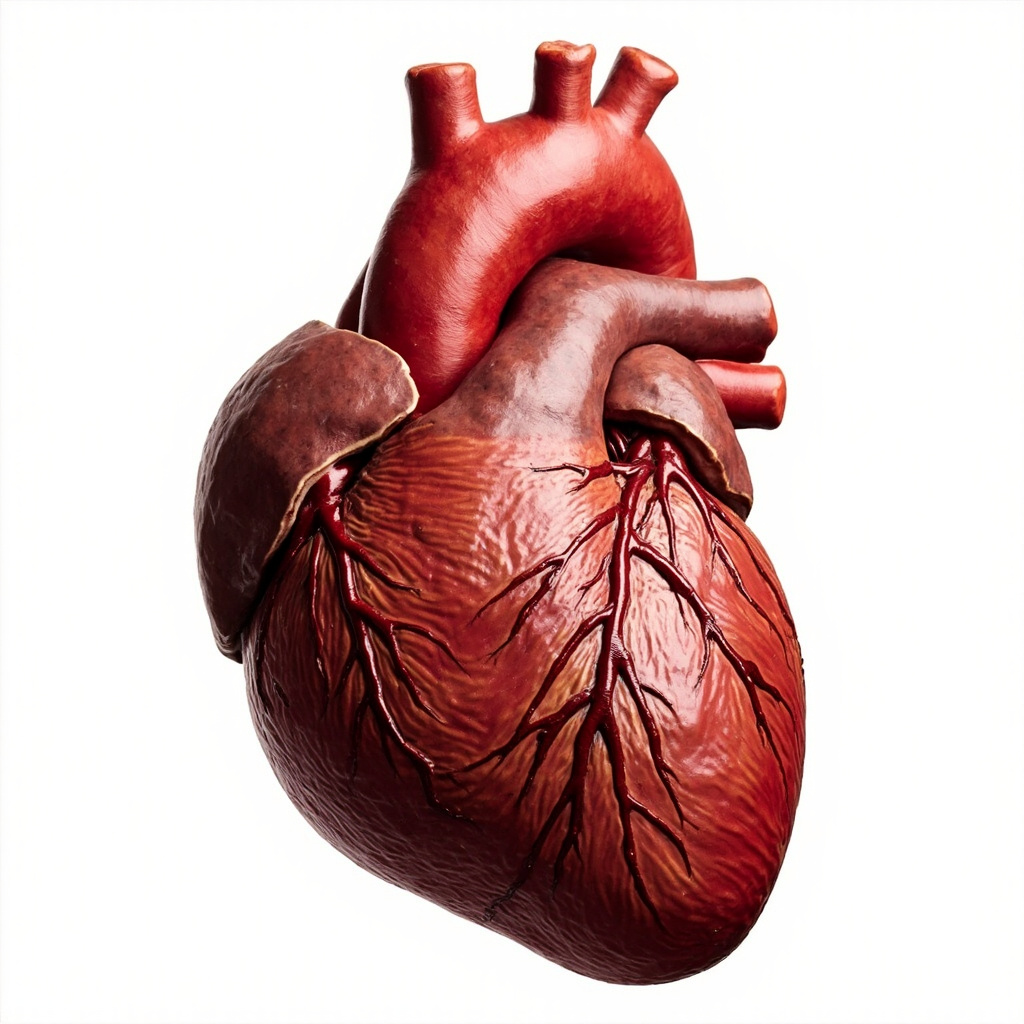
heart muscle: the thick middle layer of the heart
(heart.myocardium)The myocardium is the muscular middle layer of the heart wall located between the epicardium and endocardium. When functioning properly, it contracts rhythmically to pump blood throughout the body. If the myocardium malfunctions, it can lead to conditions such as heart failure, arrhythmias, and myocardial infarction (heart attack), causing impaired blood circulation and potentially life-threatening complications.
The myocardium can provide vital energy and support to other organs by ensuring efficient blood circulation, delivering oxygen and nutrients, and responding to emotional stress that may impact overall health, thereby promoting balance and optimal functioning throughout the body.
The myocardium, the muscular tissue of the heart, is often linked to emotions related to conflicts of self-devaluation and feelings of being unable to perform or achieve. Issues with the myocardium may indicate unresolved emotional stress, such as feeling insufficient, powerless, or experiencing a deep sense of failure. These feelings can manifest physically, potentially causing malfunction or disease in the heart muscle.
The myocardium is the heart's muscular layer, vital for its ability to contract and pump blood throughout the body. This layer is essential for maintaining circulatory health, as it ensures the delivery of oxygen and nutrients to organs and tissues, contributing to overall vitality and resilience. The myocardium interacts closely with the autonomic nervous system and hormones such as adrenaline, influencing heart rate and responsiveness to stress, thereby linking physical and emotional health. Dysfunction in the myocardium can lead to serious conditions, including heart failure and arrhythmias, which not only impair physical health but can also affect mental well-being, as compromised heart function often correlates with increased stress and anxiety. Emotionally, the myocardium is associated with feelings of self-worth and achievement, where unresolved emotional conflicts may manifest as physical symptoms. By supporting efficient blood flow and responding to emotional states, the myocardium plays a crucial role in promoting energy, well-being, and a harmonious balance within the body. Understanding its function can empower individuals to maintain heart health and enhance their overall life quality.
In BioCoherence, find the organ biomarkers and structures in Analyze > Body > Organs maps.
To comment, subscribe to the newsletter and get exclusive BioCoherence offers, please create a free account
Legal page
Website (c) 2026 Coherence Labs; contents (c) their respective authors.
Disclaimer BioCoherence provides both an academic analysis and an energetic and experimental analysis.
The information displayed may or may not be correlated with the physical state of the systems.
Calculations are based on individual measurements and experimental algorithms.
All computed results like energy levels, entropy levels and coherent systems are designed to provide useful information for personal development, not for medical purposes. The usage of all results are under the sole responsibility or the user. In case of doubt, it is important to consult a medical doctor. Please check our EULA before deciding your use of the software.