


Body zones
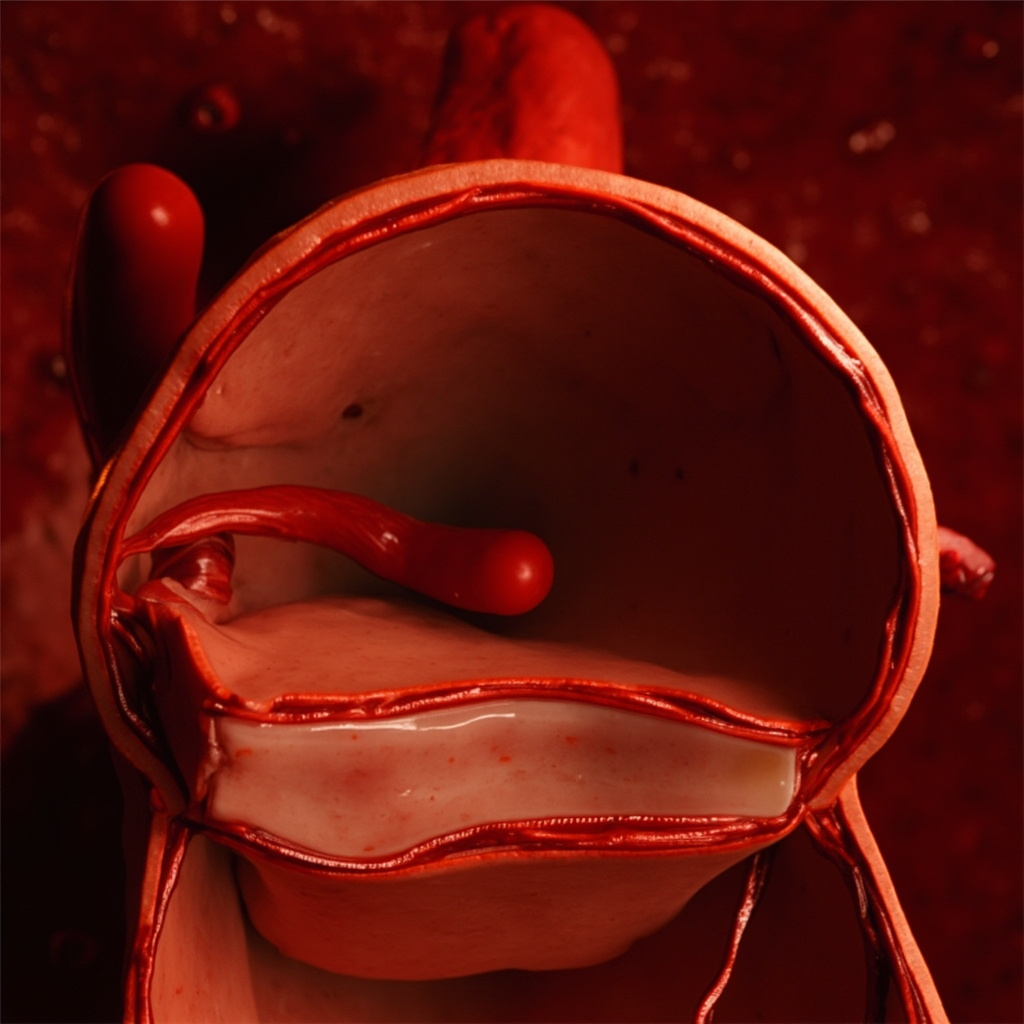
Left Atrium: Upper Heart Chamber Receiving Blood
(heart.leftatrium)The left atrium is located in the upper left chamber of the heart. It receives oxygen-rich blood from the lungs via the pulmonary veins and pumps it into the left ventricle, which then distributes it throughout the body. When functioning properly, it ensures efficient circulation of oxygenated blood. If malfunctioning, it can lead to conditions such as atrial fibrillation, reduced cardiac output, and potential heart failure, resulting in symptoms like fatigue, shortness of breath, and increased risk of stroke.
The left atrium can enhance the functioning of other organs by ensuring the efficient circulation of oxygen-rich blood, which supports their energy needs and overall health, while also promoting emotional well-being through its connection to feelings of love and support.
The left atrium is linked to emotions related to receiving love, support, and validation. Issues in this area may indicate unresolved feelings of rejection, emotional abandonment, or a lack of acknowledgment from loved ones. Malfunctioning can be a result of an internal conflict about self-worth and the fear of not being emotionally supported.
The left atrium is a vital component of the heart, primarily responsible for receiving oxygen-rich blood from the lungs through the pulmonary veins and transferring it to the left ventricle for systemic distribution. This chamber's proper functioning is crucial for maintaining efficient circulation, which directly supports the energy demands of all body organs, enhancing overall vitality and resilience. The left atrium also plays a significant role in emotional health, as it is associated with feelings of love, support, and acceptance. Dysfunction in this area can reflect deeper emotional conflicts, such as issues of self-worth or fear of emotional abandonment, potentially leading to physical symptoms like fatigue or shortness of breath. Furthermore, the left atrium interacts closely with the right atrium, the ventricles, and the autonomic nervous system, ensuring a coordinated response during stress or relaxation. By fostering harmonious blood flow and emotional balance, the left atrium contributes to an individual's overall well-being, supporting not only physical health but also mental and energetic stability.
In BioCoherence, find the organ biomarkers and structures in Analyze > Body > Organs maps.
To comment, subscribe to the newsletter and get exclusive BioCoherence offers, please create a free account
Legal page
Website (c) 2026 Coherence Labs; contents (c) their respective authors.
Disclaimer BioCoherence provides both an academic analysis and an energetic and experimental analysis.
The information displayed may or may not be correlated with the physical state of the systems.
Calculations are based on individual measurements and experimental algorithms.
All computed results like energy levels, entropy levels and coherent systems are designed to provide useful information for personal development, not for medical purposes. The usage of all results are under the sole responsibility or the user. In case of doubt, it is important to consult a medical doctor. Please check our EULA before deciding your use of the software.