


Body zones
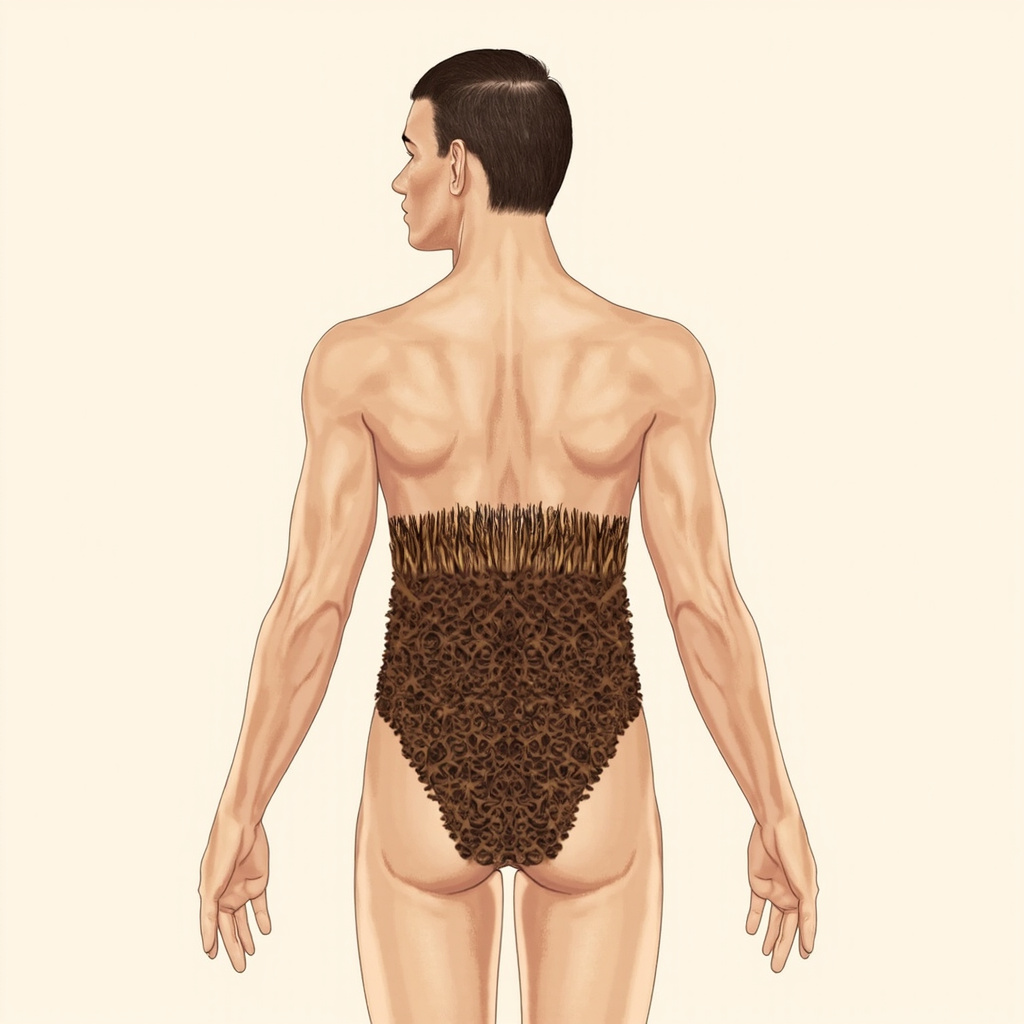
Hair: A Keratinous Structure of the Integumentary System
(hair)Hair is found on most parts of the human body, with high concentrations on the scalp, face, armpits, and pubic area. When functioning properly, hair provides protection (e.g., eyelashes shield eyes from debris), temperature regulation (e.g., scalp hair insulates against heat loss), and sensory input (e.g., hair follicles enhance touch sensitivity). If hair malfunctions, it can result in conditions such as hair loss (alopecia), excessive hair growth (hirsutism), or changes in hair texture and color, potentially affecting both physical health and psychological well-being.
Hair can help protect priority organs by providing physical barriers against debris, regulate temperature to maintain optimal functioning, and enhance sensory perception to respond to environmental changes, thereby supporting overall well-being and health.
Hair is often associated with feelings of protection, strength, and identity. Emotional stress, feelings of vulnerability, or a loss of personal power can potentially lead to hair issues such as hair loss. These issues might reflect deep-seated fears, identity crises, or significant changes in life that challenge one's sense of security and self-worth.
Hair, a keratinous structure of the integumentary system, plays crucial roles in protection, temperature regulation, and sensory perception, contributing to overall physical, mental, and energetic health. It interacts with the nervous system through hair follicles, enhancing tactile sensitivity and enabling the body to respond to environmental stimuli. Additionally, hair health can indicate the state of other bodily systems, such as hormonal balance and nutritional status, as deficiencies can lead to conditions like alopecia or hirsutism, which can impact emotional well-being. Psychologically, hair is often linked to personal identity and self-expression; issues such as hair loss can evoke feelings of vulnerability and diminished self-worth, reflecting deeper emotional states. This connection highlights the importance of maintaining healthy hair for sustaining energy, vitality, and resilience. Furthermore, practices that promote hair health, such as proper nutrition and stress management, can foster a sense of empowerment and stability, enhancing overall well-being. Thus, hair serves not only as a physical attribute but also as a significant marker of personal health and emotional strength.
In BioCoherence, find the organ biomarkers and structures in Analyze > Body > Organs maps.
To comment, subscribe to the newsletter and get exclusive BioCoherence offers, please create a free account
Legal page
Website (c) 2026 Coherence Labs; contents (c) their respective authors.
Disclaimer BioCoherence provides both an academic analysis and an energetic and experimental analysis.
The information displayed may or may not be correlated with the physical state of the systems.
Calculations are based on individual measurements and experimental algorithms.
All computed results like energy levels, entropy levels and coherent systems are designed to provide useful information for personal development, not for medical purposes. The usage of all results are under the sole responsibility or the user. In case of doubt, it is important to consult a medical doctor. Please check our EULA before deciding your use of the software.