


Body zones
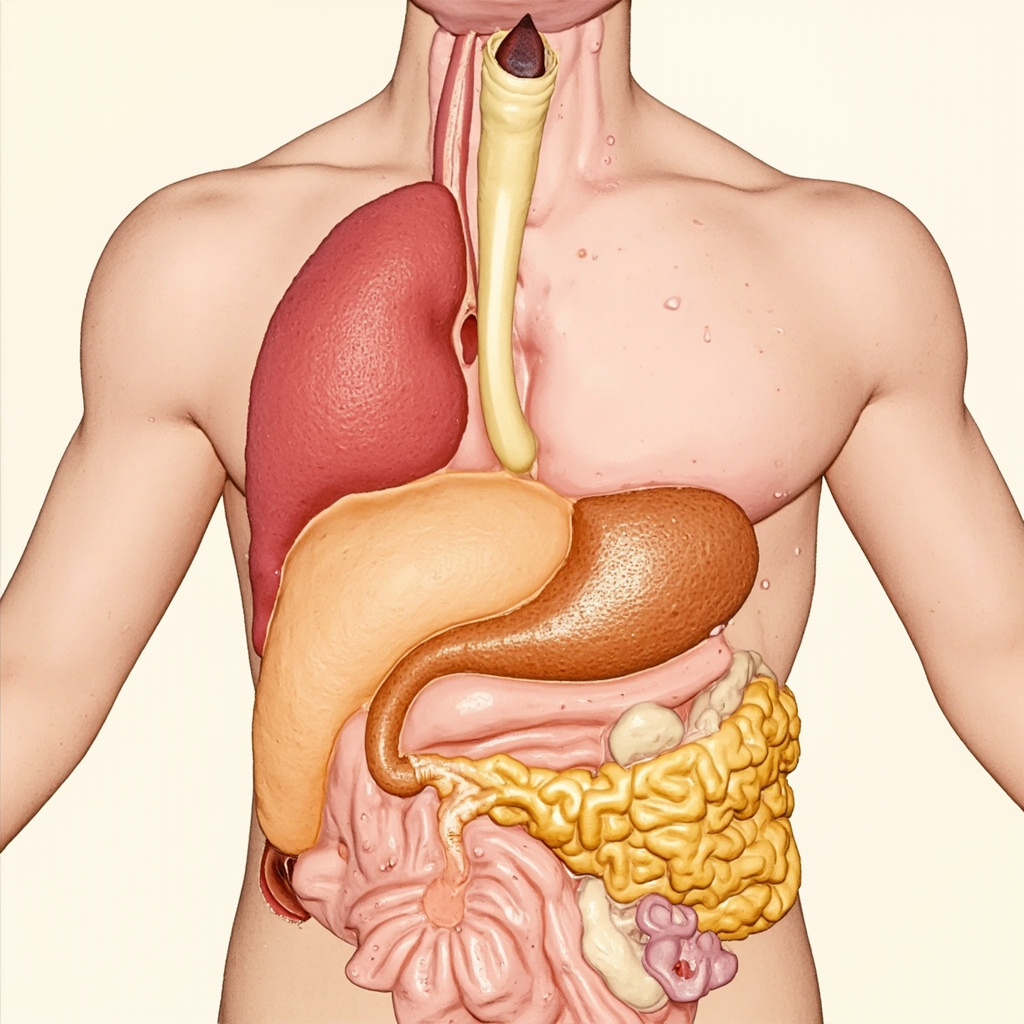
Glands: Organs that produce and release substances
(glands)Glands are specialized organs located throughout the body that produce and release substances such as hormones, enzymes, and other fluids. When functioning properly, glands regulate various physiological processes including metabolism, growth, reproduction, and homeostasis. If glands malfunction, it can lead to disorders such as hormonal imbalances, metabolic issues, and diseases like diabetes, hyperthyroidism, or hypothyroidism, impacting overall health and bodily functions.
Glands can help other organs by regulating hormonal balance, providing essential enzymes, and facilitating communication through hormonal signals, thereby ensuring optimal physiological function and emotional well-being.
The malfunctioning of glands is often linked to unexpressed emotions and conflicts. For instance, issues with the thyroid gland may indicate feelings of being stifled or unable to express oneself. Problems with the adrenal glands can be connected to chronic stress or a constant state of fight-or-flight. Malfunctions in the pancreas could be associated with a lack of sweetness or joy in life. The thymus gland's issues might relate to a perceived threat to one's boundaries or identity, and problems with the reproductive glands often indicate conflicts related to self-worth, sexuality, or creativity. These emotional conflicts, if unresolved, may manifest as physical symptoms in the corresponding gland.
Glands are vital organs that produce and secrete hormones, enzymes, and other substances, playing a crucial role in maintaining bodily functions and overall health. They influence *metabolism*, *growth*, *reproduction*, and *homeostasis*, ensuring that the body operates smoothly and efficiently. Glands work synergistically with other organs; for example, the hypothalamus regulates the pituitary gland, which in turn controls other endocrine glands, creating a comprehensive hormonal network that supports physical and emotional well-being. When glands are balanced, they contribute to enhanced *energy*, *vitality*, and *resilience*, fostering an overall sense of wellness. However, glandular dysfunction can lead to significant health issues, including hormonal imbalances that may manifest as fatigue, mood swings, or metabolic disorders. Moreover, emotional states can influence gland function; for instance, unresolved stress may affect adrenal glands, leading to fatigue and anxiety, while thyroid imbalances could reflect feelings of repression or inadequacy. Addressing both the physiological and emotional aspects of gland health is essential for achieving optimal *BioCoherence*, promoting a harmonious balance that supports both mental clarity and physical vitality.
In BioCoherence, find the organ biomarkers and structures in Analyze > Body > Organs maps.
To comment, subscribe to the newsletter and get exclusive BioCoherence offers, please create a free account
Legal page
Website (c) 2026 Coherence Labs; contents (c) their respective authors.
Disclaimer BioCoherence provides both an academic analysis and an energetic and experimental analysis.
The information displayed may or may not be correlated with the physical state of the systems.
Calculations are based on individual measurements and experimental algorithms.
All computed results like energy levels, entropy levels and coherent systems are designed to provide useful information for personal development, not for medical purposes. The usage of all results are under the sole responsibility or the user. In case of doubt, it is important to consult a medical doctor. Please check our EULA before deciding your use of the software.