


Zone del corpo
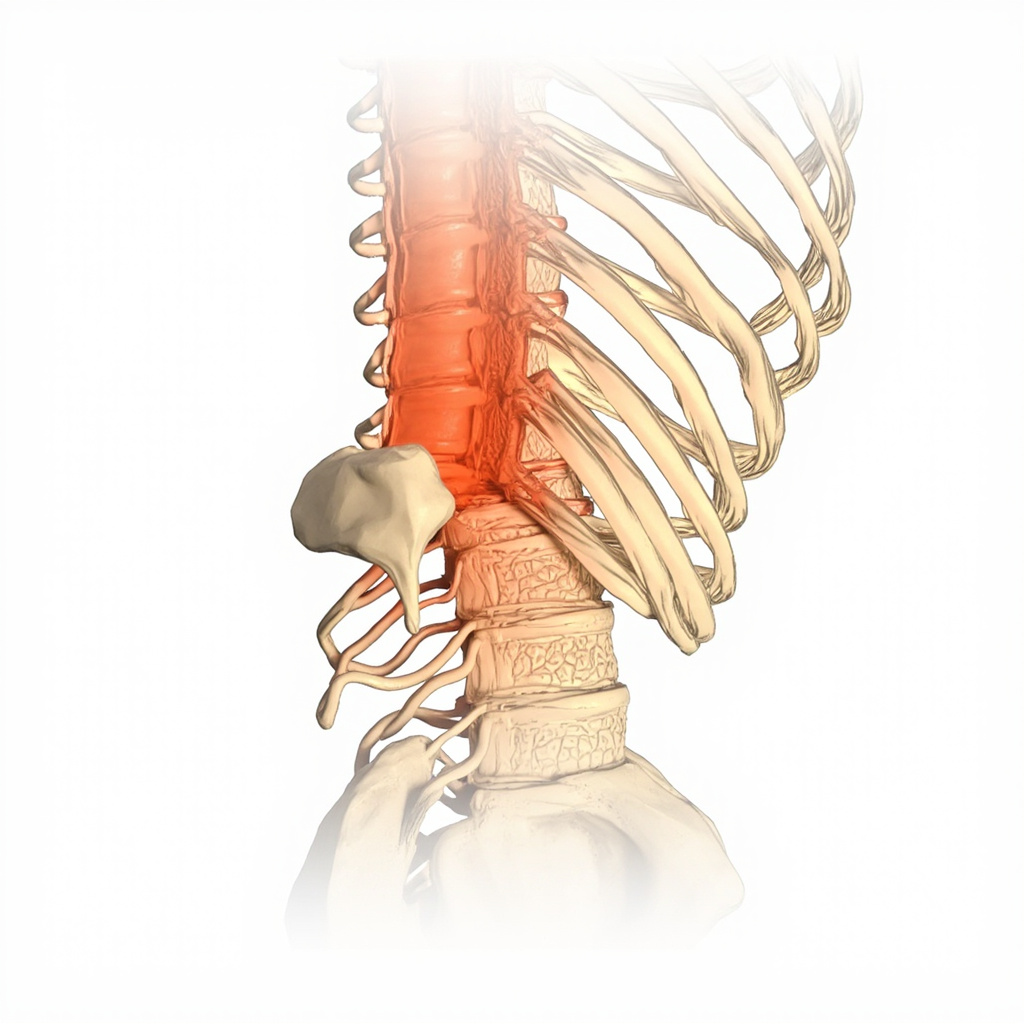
Coccige: La base della tua colonna vertebrale
(vertebrae.Co)Il coccige, o Co, si trova alla base della colonna vertebrale, sotto il sacro. Funziona come sito di attacco per tendini, legamenti e muscoli, e sostiene il peso del corpo quando si è seduti. Un funzionamento corretto aiuta a mantenere la stabilità e il supporto durante la seduta e il movimento. Un malfunzionamento, come quello da infortunio o degenerazione, può causare dolore (coccigodinia), disagio, e difficoltà a sedersi o muoversi.
(Il coccige può aiutare altri organi fornendo stabilità e supporto durante il movimento, facilitando la stabilizzazione emotiva e promuovendo un senso di sicurezza, il che può alleviare lo stress e contribuire al benessere generale.)
La vertebra Co (coccige) è collegata a sensazioni di supporto, sicurezza e stabilità. Problemi con il coccige possono indicare una paura di perdere il supporto o una mancanza di radicamento nella vita. Conflitti emotivi relativi alla sopravvivenza, ai bisogni fondamentali e alla sensazione di essere non supportati o abbandonati possono manifestarsi come problemi in quest'area.
The coccyx, or Co, is a small, triangular bone at the base of the spine, formed by three to five fused vertebrae. It serves as a crucial attachment point for various muscles, ligaments, and tendons, contributing to pelvic stability and weight distribution while sitting. This structure plays a significant role in maintaining posture and facilitating movement, thereby supporting overall physical health. The coccyx is interconnected with the sacrum and pelvic floor muscles, which influence urinary, reproductive, and digestive functions. Its health is essential for emotional and energetic balance, as it is often associated with feelings of grounding, security, and support. Discomfort or dysfunction in the coccyx can lead to emotional challenges, such as anxiety and fear of instability, reflecting a lack of support in one's life. By promoting physical resilience and a sense of stability, the coccyx contributes to enhanced vitality and overall well-being, encouraging individuals to feel more secure, both physically and emotionally, in their daily lives.
In BioCoherence, find the organ biomarkers and structures in Analyze > Body > Organs maps.
To comment, subscribe to the newsletter and get exclusive BioCoherence offers, please create a free account
Legal page
Website (c) 2026 Coherence Labs; contents (c) their respective authors.
Disclamere BioCoherence fornisce sia un'analisi accademica che un'analisi energetica e sperimentale.
Le informazioni visualizzate possono essere correlate o meno con lo stato fisico dei sistemi.
I calcoli si basano su misurazioni individuali e algoritmi sperimentali.
Tutti i risultati calcolati, come i livelli di energia, i livelli di entropia e i sistemi coerenti, sono progettati per fornire informazioni utili per lo sviluppo personale, non per scopi medici. L'uso di tutti i risultati è sotto la sola responsabilità dell'utente. In caso di dubbi, è importante consultare un medico. Si prega di controllare il nostro EULA prima di decidere l'uso del software.