


Peripheral Nerves: Hidden Key to Deep Sleep
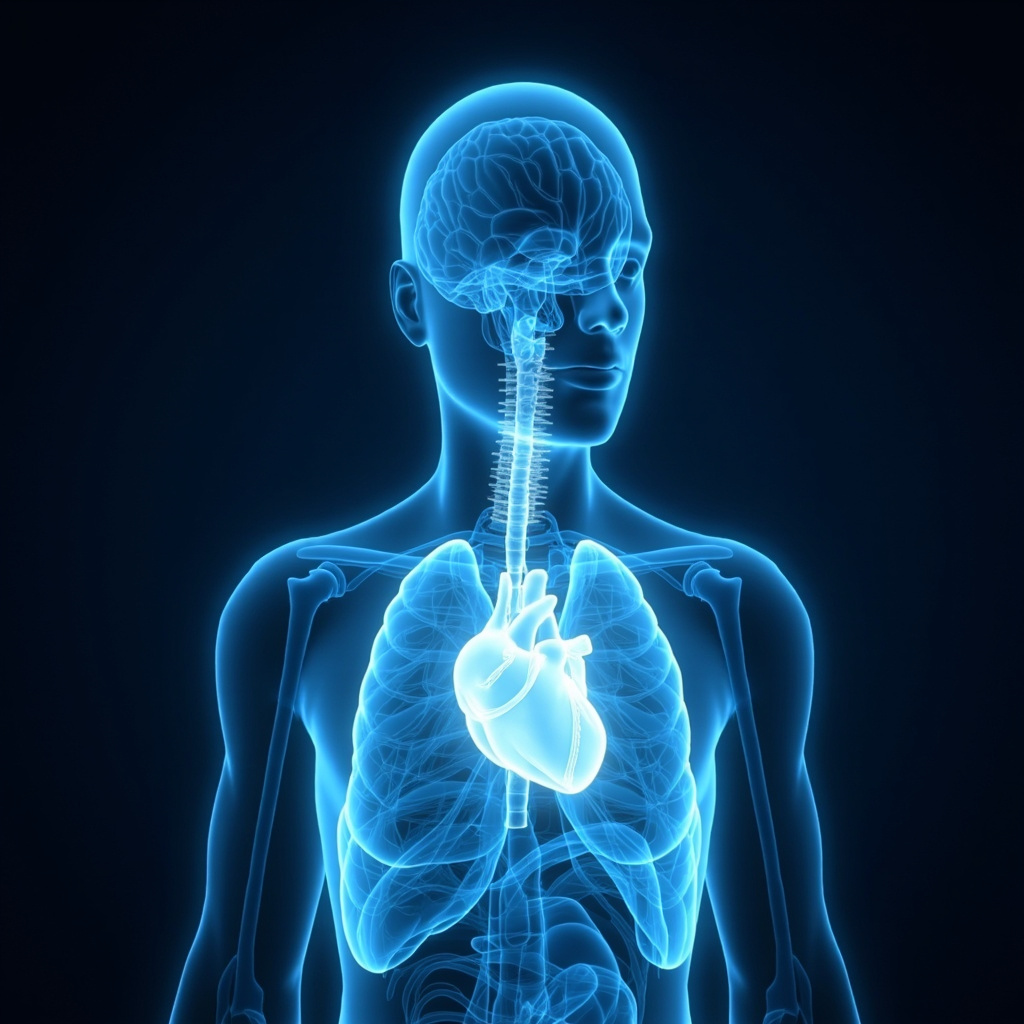
Peripheral nerves stretch across your body like a communication web. Found outside the brain and spinal cord, they link your central nervous system to muscles, skin, and organs. They handle sensation, movement, and automatic tasks like steady breathing or digestion. For more details, see our glossary on peripheral nerves.
Nighttime Disruptions from Nerve Imbalance
When these nerves falter, you might feel numbness, tingling, or sharp pain, often worse at night. Fewer distractions make you notice symptoms more. Pain signals flood in, fragmenting sleep. You miss deep restorative phases where the body heals and energy rebuilds.
Research highlights a cycle: nerve issues cut sleep quality, then poor rest heightens pain sensitivity. People with these problems report trouble falling asleep, frequent wakes, and daytime fatigue. This hits circadian rhythm, your body's inner clock for rest.
Ties to Stress Hormones and Heart Rhythm
Peripheral nerves influence heart rate variability (HRV), a sign of nervous system balance. Healthy HRV shows smooth shifts between rest and action modes. Low HRV from nerve strain signals ongoing stress, raising cortisol levels. High cortisol at night blocks melatonin, delaying sleep onset and shallowing rest.
Breathing patterns suffer too. Nerves guide diaphragm and lung signals for calm, deep breaths. Tension here leads to shallow breathing, mimicking mild apnea and cutting oxygen during sleep.
Emotional Side of Nerve Health
Feelings matter. Peripheral nerves connect to senses of belonging. Stress from isolation or lack of support can numb emotions, mirroring physical tingling. This emotional disconnect amps stress hormones, worsening nerve signals and sleep. Addressing it fosters security, easing nerve tension for better nights.
Nerves as Allies for Recovery
Balanced peripheral nerves shine as resources. They coordinate body signals, aiding muscle relaxation and steady heart rhythms. In rest, they support energy restoration, ensuring organs sync for vitality.
When prioritized, they enhance responsiveness. Imagine nerves relaying calm to tense areas, smoothing sleep transitions.
Practical Steps for Better Nerve-Supported Sleep
Track patterns: Note when tingling peaks. Evening routines help:
- Warm baths relax nerves.
- Gentle stretches boost circulation.
- Dim lights cut cortisol spikes.
Breathing exercises activate rest mode: Inhale for 4 counts, hold 4, exhale 6. This steadies HRV.
Avoid evening caffeine; it strains nerves. Foods rich in B vitamins, like nuts and greens, nourish nerve health.
In BioCoherence assessments, peripheral nerve biomarkers reveal energy and agitation levels from body electrical readings. This guides targeted support for sleep alignment.
Restoring these nerves unlocks deeper recovery. Small shifts yield big gains in rest and daily energy.
- 1. frontiersin.org
- 2. nervedoctors.com
- 3. pmc.ncbi.nlm.nih.gov
- 4. pubmed.ncbi.nlm.nih.gov
- 5. pmc.ncbi.nlm.nih.gov
- 6. link.springer.com
- 7. pubmed.ncbi.nlm.nih.gov
- 8. academic.oup.com
- 9. pubmed.ncbi.nlm.nih.gov
- 10. enticare.com
- 11. virginialasertherapy.com
- 12. chicagopaincontrol.com
- 13. mdpi.com
- 14. pubmed.ncbi.nlm.nih.gov
- 15. massgeneralbrigham.org
- 16. youtube.com
- 17. pubmed.ncbi.nlm.nih.gov
- 18. enticare.com
- 19. journals.lww.com
- 20. pmc.ncbi.nlm.nih.gov
- 21. neuropathyreliefmiami.com
- 22. neuropathycommons.org
- 23. neurobion.com
- 24. researchgate.net
- 25. sciencedirect.com
- 26. frontiersin.org
- 27. sciencedirect.com
- 28. neuropathyreliefmiami.com
- 29. clinicaltrials.med.nyu.edu
- 30. pubmed.ncbi.nlm.nih.gov
- 31. pmc.ncbi.nlm.nih.gov
- 32. sciencedirect.com
- 33. pubmed.ncbi.nlm.nih.gov
- 34. pmc.ncbi.nlm.nih.gov
- 35. treatingpain.com
- 36. pubmed.ncbi.nlm.nih.gov
- 37. dovepress.com
- 38. pubmed.ncbi.nlm.nih.gov
- 39. pubmed.ncbi.nlm.nih.gov
Related posts
Glossary
- Energy and mind Structures > oxygen
- Energy and mind Structures > Communication
- Energy and mind Structures > Sensation
- Energy and mind Structures > Security
- Energy and mind Structures > Clock
- Energy and mind Structures > Relax
- Body zones > hormones
- Body zones > muscles
- Body zones > nerves
- Body zones > peripheral
- Body zones > senses
- Energy and mind Structures > Organs
- TCM Recipes > Skin Health: Remedies for Acne and Eczema
- TCM Recipes > Circulation: Boost Energy and Warm Your Extremities
- TCM Recipes > Heart Health: Remedies for Anxiety and Palpitations
- TCM Recipes > Lung Support: A TCM Recipe for Respiratory Health
- TCM Recipes > Brain Boost: Clear Fog, Improve Focus & Memory
- TCM Recipes > Boost Your Energy: A TCM Recipe for Fatigue Relief
- Energy and mind Structures > sleep
- Energy and mind Structures > vitality
- Energy and mind Structures > movement
- Energy and mind Structures > Digestion
- Energy and mind Structures > Stress
- Stimuli > Cortisol
- Stimuli > Moon - Nasal Passage, Breathing, Taste
- Stimuli > Pain
- Binaural beats > Spinal Cord Support: Enhance Wellness and Emotional Balance
- Binaural beats > Nervous System: A Program for Emotional Balance and Relaxation
- Stimuli > Apnea
- Stimuli > Melatonin
see also...
- Energy and mind Structures > HRV
- Energy and mind Structures > Body zones > senses
- Energy and mind Structures > TCM Recipes > Tension Headache Relief: A Natural Approach to Ease Stress
- Testimonials > 61% Drop in Nausea and 58% in Headaches from Sound Therapy
- Binaural beats > Stimuli > Melatonin
- Binaural beats > Transmutation: A Sound Journey for Personal Change