


Sterigmatocystin 3: TCM Liver Harmony Ally
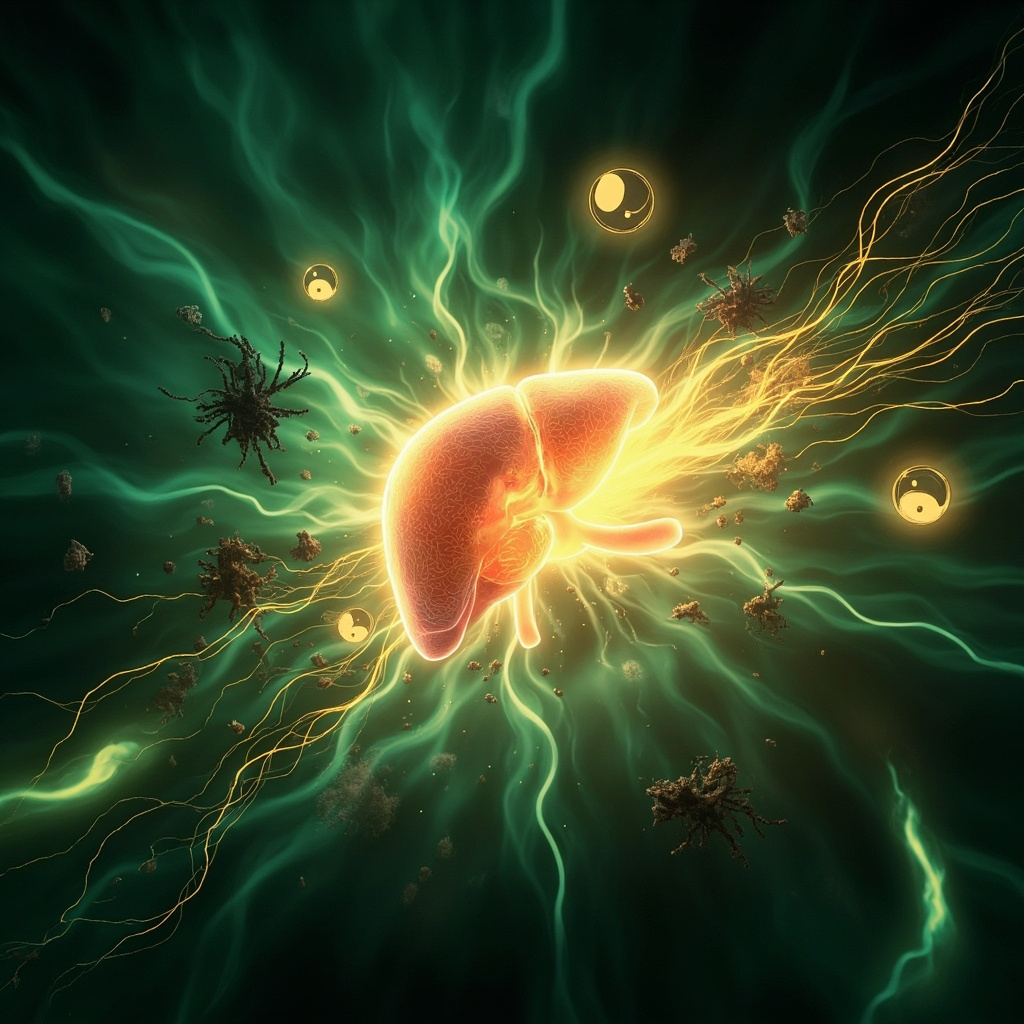
What is Sterigmatocystin (Mycotoxin) 3?
Sterigmatocystin is a harmful substance produced by certain molds, like those found on grains or in damp environments. It acts as a precursor to even more dangerous aflatoxins. This mycotoxin sneaks into foods such as rice, herbs, and even some traditional remedies if not stored properly. In the body, it mainly attacks the liver, the organ that filters toxins and supports smooth energy flow.
For more details, see the glossary entry.
How It Affects the Liver
The liver bears the brunt of sterigmatocystin's assault. It disrupts cell function, creates oxidative stress – think of it as rusting from the inside – and can lead to inflammation or worse, long-term damage. Studies show it harms liver cells, much like its cousin aflatoxin, which is linked to serious health issues.
Common signs of exposure include:
- Fatigue and weakness
- Abdominal discomfort
- Jaundice or yellowing skin
- Potential links to broader issues like gut imbalances or weakened immunity
Over time, unchecked exposure raises concerns about deeper harm, making liver protection essential.
Emotional Ties to This Toxin
Beyond the physical, sterigmatocystin stirs unrest in the mind. Its toxic presence can spark fear and anxiety, as the body senses a threat to vital organs. People might feel vague worry about health, unease, or even distress without clear cause. This mirrors how toxins burden the spirit, amplifying emotional shadows.
Mycotoxins like this often connect to broader mood shifts: brain fog, irritability, or low energy. The liver in TCM holds anger and frustration, but toxins twist this into paralyzing fear, blocking clear thinking.
TCM Lens: Toxic Dampness and Liver Qi
In Traditional Chinese Medicine, sterigmatocystin resembles toxic dampness – a sticky, invading force that clogs the liver's channels. The liver governs the Wood element, ensuring smooth qi flow like a river through meridians. When damp toxins accumulate:
- Qi stagnates: Energy pools, causing tension and poor detoxification.
- Yin-Yang imbalance: Heat builds from stress, drying vital fluids.
- Five Elements disruption: Wood overwhelms Earth (spleen/digestion), leading to poor nutrient absorption.
This follows patterns seen in damp-heat liver conditions, where external pathogens meet internal vulnerabilities. Emotions play a key role – unresolved fear weakens the Kidney (Water element), which nourishes Liver Wood.
When Balanced: A Valuable Resource
Turned from foe to friend, sterigmatocystin insights become a resource. It highlights liver needs, guiding us to:
- Strengthen liver qi for better detox.
- Clear dampness to ease emotional flow.
- Restore harmony between body and mind.
In practice, addressing it supports overall vitality, reducing anxiety and boosting resilience.
Paths to Harmony in TCM
Restore balance through time-tested approaches:
Diet and Lifestyle:
- Favor bitter greens (dandelion, artichoke) to drain dampness.
- Avoid damp-forming foods: dairy, sweets, greasy items.
- Stay hydrated, move gently to circulate qi.
Acupoints and Meridians:
- Liver 3 (Taichong): Smooths qi, calms anger/fear.
- Spleen 9 (Yinlingquan): Clears damp toxins.
- Kidney 3 (Taixi): Bolsters root energy.
Herbal Allies (under guidance):
- Formulas like Xiao Yao San for liver qi stagnation.
- Additions for damp: Poria, plantain seed.
Mind Practices:
- Visualize clear liver meridians, releasing fear.
- Breathing to nourish Wood: deep, expansive inhales.
By bridging biomarkers with TCM wisdom, we address root causes. Monitor energy shifts, emotions, and vitality. Harmony awaits when liver flows freely.
This builds on prior insights into sterigmatocystin variants, deepening our toxic dampness understanding.
- 1. researchgate.net
- 2. tandfonline.com
- 3. researchgate.net
- 4. researchgate.net
- 5. pubmed.ncbi.nlm.nih.gov
- 6. indoordoctor.com
- 7. pubmed.ncbi.nlm.nih.gov
- 8. pubmed.ncbi.nlm.nih.gov
- 9. psychiatryredefined.org
- 10. pubmed.ncbi.nlm.nih.gov
- 11. pubmed.ncbi.nlm.nih.gov
- 12. sciencedirect.com
- 13. pubmed.ncbi.nlm.nih.gov
- 14. elotus.org
- 15. pubmed.ncbi.nlm.nih.gov
- 16. probiologists.com
- 17. pubmed.ncbi.nlm.nih.gov
- 18. ri.conicet.gov.ar
- 19. sciencedirect.com
- 20. mdpi.com
- 21. semanticscholar.org
- 22. pubmed.ncbi.nlm.nih.gov
- 23. pubmed.ncbi.nlm.nih.gov
- 24. pmc.ncbi.nlm.nih.gov
- 25. pubmed.ncbi.nlm.nih.gov
- 26. trueacupuncturewellness.com
- 27. amymyersmd.com
- 28. ift.org
- 29. nature.com
- 30. realtimelab.com
- 31. fdpmoldremediation.com
- 32. pmc.ncbi.nlm.nih.gov
- 33. facebook.com
- 34. cabidigitallibrary.org
- 35. link.springer.com
- 36. pmc.ncbi.nlm.nih.gov
- 37. mdpi.com
- 38. neuroscienceresearchinstitute.com
Related posts
Glossary
- Energy and mind Structures > Earth
- Energy and mind Structures > Wood
- Energy and mind Structures > Stagnation
- Energy and mind Structures > Meridians
- Energy and mind Structures > Sterigmatocystin (mycotoxin) 3.
- Body zones > senses
- Energy and mind Structures > Organs
- TCM Recipes > Liver Health: A TCM Recipe for Balance and Calm
- TCM Recipes > Brain Boost: Clear Fog, Improve Focus & Memory
- TCM Recipes > Boost Your Energy: A TCM Recipe for Fatigue Relief
- Energy and mind Structures > vitality
- Energy and mind Structures > fluids
- Energy and mind Structures > pathogens
- Energy and mind Structures > toxins
- Energy and mind Structures > Vital organs
- Energy and mind Structures > Stress
- Stimuli > GSTM1, Detoxification
- Stimuli > Aflatoxin
- Stimuli > Moon - Nasal Passage, Breathing, Taste
- Stimuli > Jaundice
- Binaural beats > Inflammation Relief: Heal Faster with Binaural Beats
- Stimuli > Lead
- Stimuli > Harmony
see also...
- Energy and mind Structures > HRV
- Energy and mind Structures > Body zones > senses
- Energy and mind Structures > TCM Recipes > Tension Headache Relief: A Natural Approach to Ease Stress
- Testimonials > 61% Drop in Nausea and 58% in Headaches from Sound Therapy
- Binaural beats > Stimuli > Sacral, Zinc Etc
- Binaural beats > Desensitizer: Boost Your Energy and Focus Effectively