


Body zones
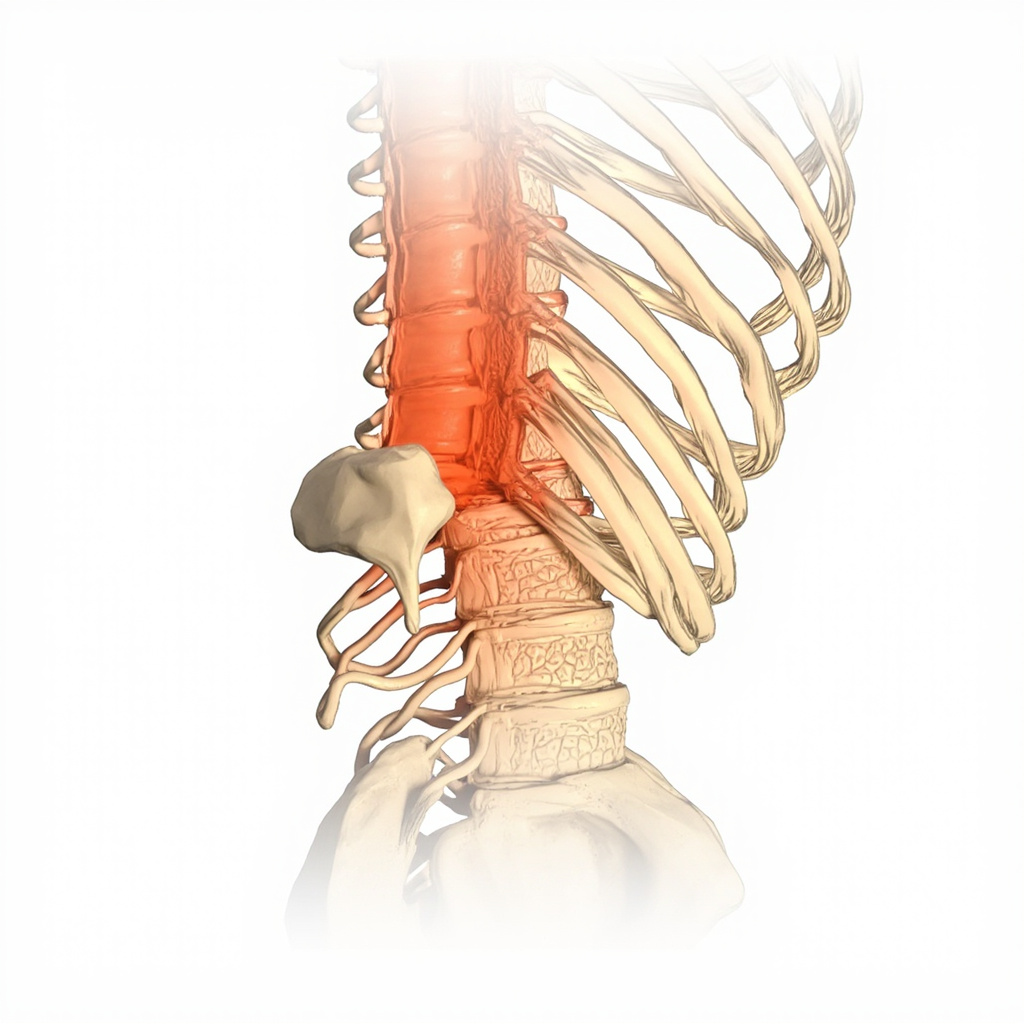
Coccyx: The Base of Your Spine
(vertebrae.Co)The coccyx, or Co, is located at the base of the vertebral column, below the sacrum. It functions as an attachment site for tendons, ligaments, and muscles, and supports body weight when sitting. Proper functioning helps maintain stability and support during sitting and movement. Malfunctioning, such as from injury or degeneration, can cause pain (coccydynia), discomfort, and difficulty sitting or moving.
The coccyx can help other organs by providing stability and support during movement, facilitating emotional grounding, and promoting a sense of security, which can alleviate stress and contribute to overall well-being.
The Co (coccyx) vertebra is linked to feelings of support, security, and stability. Issues with the coccyx can indicate a fear of losing support or a lack of grounding in life. Emotional conflicts related to survival, basic needs, and the feeling of being unsupported or abandoned may manifest as problems in this area.
The coccyx, or Co, is a small, triangular bone at the base of the spine, formed by three to five fused vertebrae. It serves as a crucial attachment point for various muscles, ligaments, and tendons, contributing to pelvic stability and weight distribution while sitting. This structure plays a significant role in maintaining posture and facilitating movement, thereby supporting overall physical health. The coccyx is interconnected with the sacrum and pelvic floor muscles, which influence urinary, reproductive, and digestive functions. Its health is essential for emotional and energetic balance, as it is often associated with feelings of grounding, security, and support. Discomfort or dysfunction in the coccyx can lead to emotional challenges, such as anxiety and fear of instability, reflecting a lack of support in one's life. By promoting physical resilience and a sense of stability, the coccyx contributes to enhanced vitality and overall well-being, encouraging individuals to feel more secure, both physically and emotionally, in their daily lives.
In BioCoherence, find the organ biomarkers and structures in Analyze > Body > Organs maps.
To comment, subscribe to the newsletter and get exclusive BioCoherence offers, please create a free account
Legal page
Website (c) 2026 Coherence Labs; contents (c) their respective authors.
Disclaimer BioCoherence provides both an academic analysis and an energetic and experimental analysis.
The information displayed may or may not be correlated with the physical state of the systems.
Calculations are based on individual measurements and experimental algorithms.
All computed results like energy levels, entropy levels and coherent systems are designed to provide useful information for personal development, not for medical purposes. The usage of all results are under the sole responsibility or the user. In case of doubt, it is important to consult a medical doctor. Please check our EULA before deciding your use of the software.