


Body zones
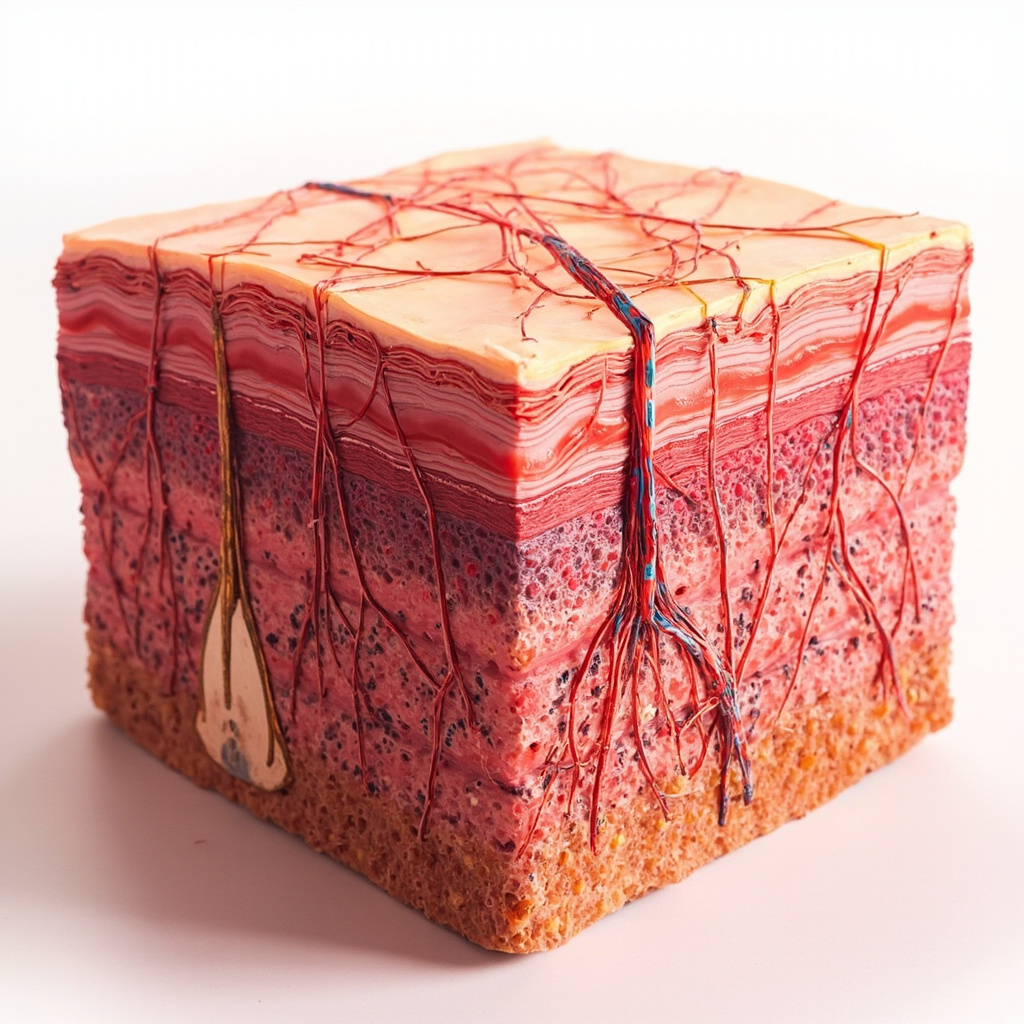
Dermis: The Inner Layer of Skin
(skin.dermis)The dermis is a layer of skin located beneath the epidermis and above the subcutaneous tissue. When functioning properly, it provides structural support, elasticity, and houses blood vessels, nerves, sweat glands, and hair follicles. If malfunctioning, it can lead to issues such as poor wound healing, loss of elasticity, and impaired sensation.
The dermis can help other priority organs by providing structural support and elasticity, facilitating blood flow and nerve communication, and assisting in the regulation of body temperature and sensation, which in turn promotes overall bodily harmony and resilience.
The dermis, or inner layer of the skin, is linked to feelings of deep protection, support, and identity. Malfunctions in the dermis may be caused by conflicts related to feeling attacked or devalued at a profound level, experiencing a lack of protection or support, or struggling with one's identity and self-worth. These emotional conflicts can manifest as skin conditions or other dermal issues.
The dermis, the inner layer of skin, plays a crucial role in maintaining the body's overall health and vitality. It is primarily responsible for providing structural support and elasticity, which are essential for skin integrity and resilience. The dermis contains vital components such as blood vessels, nerves, sweat glands, and hair follicles, facilitating temperature regulation, sensation, and wound healing. Its interaction with other organs, particularly through the circulatory and nervous systems, ensures efficient communication and nutrient delivery, supporting the body's homeostasis. Emotionally, the dermis is associated with feelings of protection and self-worth; disturbances or dysfunctions may arise from unresolved emotional conflicts related to safety and identity, potentially leading to skin conditions. Furthermore, a healthy dermis contributes to one's energetic state, enhancing vitality and resilience. By promoting skin health, individuals can experience improved physical appearance and emotional well-being, as the dermis serves as a barrier and reflector of both physical and emotional states, fostering a holistic sense of well-being.
In BioCoherence, find the organ biomarkers and structures in Analyze > Body > Organs maps.
To comment, subscribe to the newsletter and get exclusive BioCoherence offers, please create a free account
Legal page
Website (c) 2026 Coherence Labs; contents (c) their respective authors.
Disclaimer BioCoherence provides both an academic analysis and an energetic and experimental analysis.
The information displayed may or may not be correlated with the physical state of the systems.
Calculations are based on individual measurements and experimental algorithms.
All computed results like energy levels, entropy levels and coherent systems are designed to provide useful information for personal development, not for medical purposes. The usage of all results are under the sole responsibility or the user. In case of doubt, it is important to consult a medical doctor. Please check our EULA before deciding your use of the software.