


Body zones
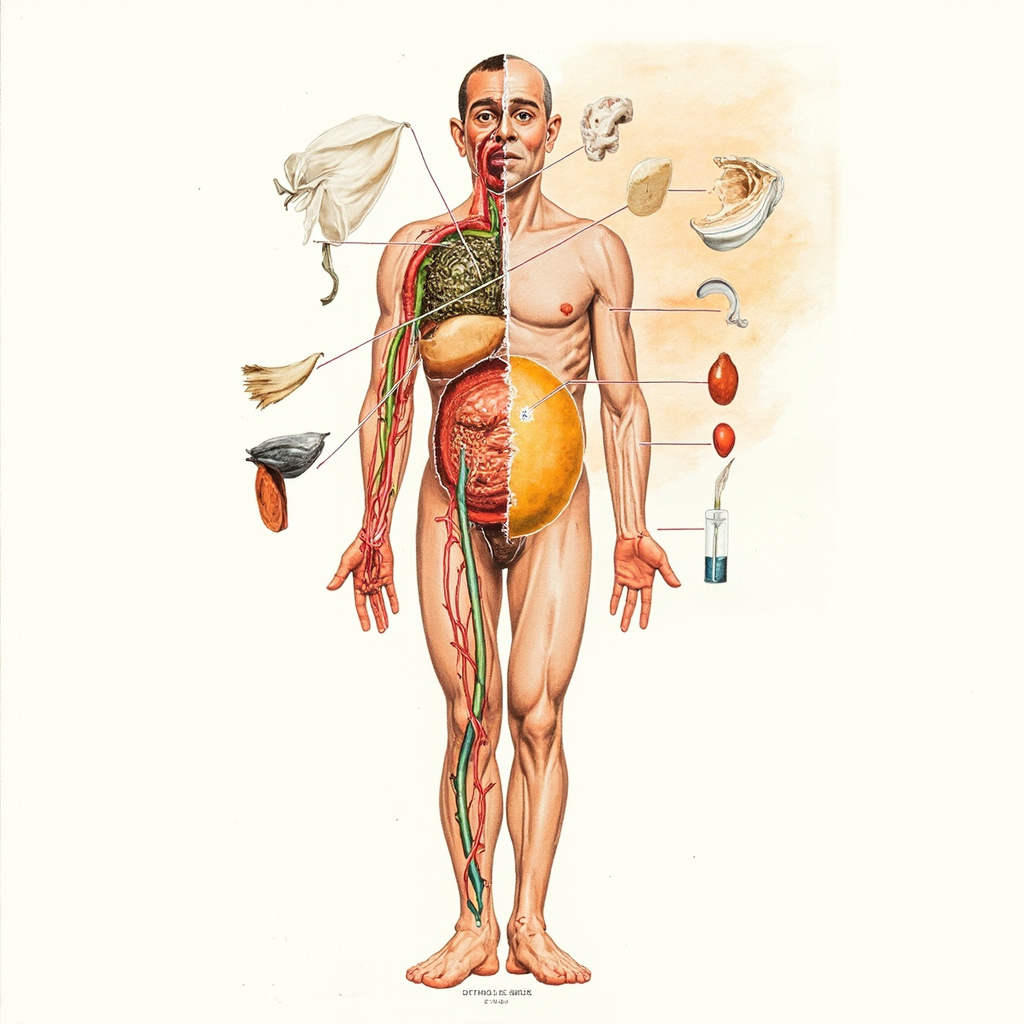
Senses: The Body's Pathways to Perception and Awareness
(senses)Senses are localized in specific organs: sight (eyes), hearing (ears), taste (tongue), smell (nose), and touch (skin). When functioning properly, they allow us to perceive and interact with our environment: seeing visual stimuli, hearing sounds, tasting flavors, smelling scents, and feeling physical sensations. If malfunctions occur, possible effects include blindness, deafness, loss of taste, anosmia (loss of smell), or numbness, which can significantly impact daily life and safety.
The senses can help other priority organs by providing essential information about the environment, enabling timely responses to threats, facilitating emotional regulation, and promoting balance through sensory feedback that supports overall well-being.
The biological decoding of the senses may indicate that malfunctions are linked to emotions and feelings of fear, survival, and protection. Issues with vision could relate to not wanting to see or confront something, while hearing problems might be connected to not wanting to hear certain things. Smell and taste issues might arise from a rejection or aversion to a particular situation or person. Touch-related problems could signify a need for distance or protection from perceived threats.
The senses are vital systems that allow the body to perceive and engage with the environment, primarily through specialized organs such as the eyes, ears, tongue, nose, and skin. Each sense plays a crucial role in maintaining overall physical, mental, and energetic health by providing essential feedback that aids in decision-making, emotional regulation, and safety. For instance, the visual system interacts with the brain's processing centers, while auditory signals can influence mood and cognitive function. These interactions highlight the interconnectedness of sensory modalities with other bodily systems, including the nervous and endocrine systems, which regulate responses to perceived threats. Additionally, the senses are deeply tied to emotional well-being; disruptions in sensory perception may indicate unresolved emotional issues, such as fear or avoidance. By enhancing our awareness of sensory inputs, we can foster resilience and vitality, as a well-functioning sensory system supports greater energy flow and holistic health. Ultimately, cultivating sensory awareness not only enriches our experiences but also strengthens our overall well-being, reinforcing the importance of maintaining healthy sensory function.
In BioCoherence, find the organ biomarkers and structures in Analyze > Body > Organs maps.
To comment, subscribe to the newsletter and get exclusive BioCoherence offers, please create a free account
Legal page
Website (c) 2026 Coherence Labs; contents (c) their respective authors.
Disclaimer BioCoherence provides both an academic analysis and an energetic and experimental analysis.
The information displayed may or may not be correlated with the physical state of the systems.
Calculations are based on individual measurements and experimental algorithms.
All computed results like energy levels, entropy levels and coherent systems are designed to provide useful information for personal development, not for medical purposes. The usage of all results are under the sole responsibility or the user. In case of doubt, it is important to consult a medical doctor. Please check our EULA before deciding your use of the software.