


Body zones
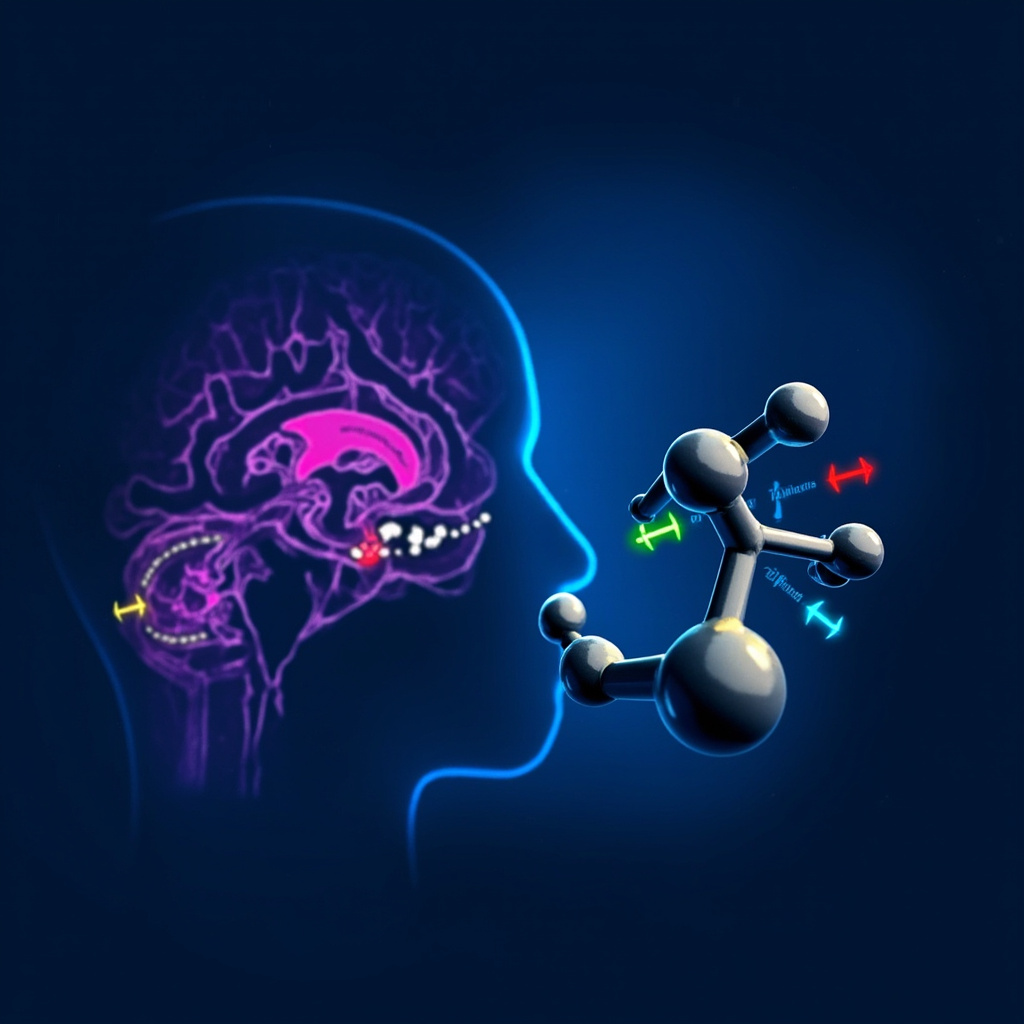
L-Dopa: A Neurotransmitter for Mood and Movement
(neurotransmitters.ldopamine)L-Dopa, or levodopa, is a precursor to the neurotransmitter dopamine. It is primarily localized in the brain, particularly in areas like the substantia nigra and the ventral tegmental area. When functioning properly, L-Dopa is converted to dopamine, which plays a critical role in motor control, motivation, and reward mechanisms. If L-Dopa levels malfunction or dopamine production is impaired, it can lead to neurological disorders such as Parkinson's disease, characterized by tremors, rigidity, and bradykinesia. Conversely, excess dopamine can result in conditions like schizophrenia.
L-Dopa can help regulate motor control, enhance motivation, and improve emotional well-being by facilitating dopamine production, thereby addressing symptoms of neurological disorders and promoting a balanced emotional state.
The neurotransmitter L-DOPA is linked to emotions and feelings of motivation, pleasure, and reward. Malfunctioning of this system can be associated with feelings of lack of motivation, depression, and a sense of inadequacy. The possible cause of such malfunctioning may stem from unresolved conflicts related to self-worth, a perceived inability to achieve goals, or a lack of joy in life. These emotional conflicts can disrupt the balance of neurotransmitters, leading to psychological and physiological symptoms.
L-Dopa, a critical precursor to the neurotransmitter dopamine, serves essential functions in both physical and mental health. Primarily synthesized in the brain, particularly in the substantia nigra, L-Dopa is integral to motor control, emotional regulation, and the reward system. Its conversion to dopamine is vital for maintaining energy levels, enhancing motivation, and fostering overall well-being. Disruptions in L-Dopa production can lead to serious conditions such as Parkinson's disease, which manifests as motor dysfunction and emotional disturbances. Furthermore, imbalances in dopamine levels can negatively impact mood, leading to feelings of inadequacy or depression. L-Dopa also interacts with other systems, such as the endocrine and immune systems, highlighting its systemic importance. By supporting dopamine synthesis, L-Dopa promotes resilience and vitality, playing a crucial role in navigating stress and maintaining a balanced emotional state. Understanding the role of L-Dopa can empower individuals to enhance their emotional and physical health, fostering a life imbued with energy and purpose.
In BioCoherence, find the organ biomarkers and structures in Analyze > Body > Organs maps.
To comment, subscribe to the newsletter and get exclusive BioCoherence offers, please create a free account
Legal page
Website (c) 2026 Coherence Labs; contents (c) their respective authors.
Disclaimer BioCoherence provides both an academic analysis and an energetic and experimental analysis.
The information displayed may or may not be correlated with the physical state of the systems.
Calculations are based on individual measurements and experimental algorithms.
All computed results like energy levels, entropy levels and coherent systems are designed to provide useful information for personal development, not for medical purposes. The usage of all results are under the sole responsibility or the user. In case of doubt, it is important to consult a medical doctor. Please check our EULA before deciding your use of the software.