


Body zones
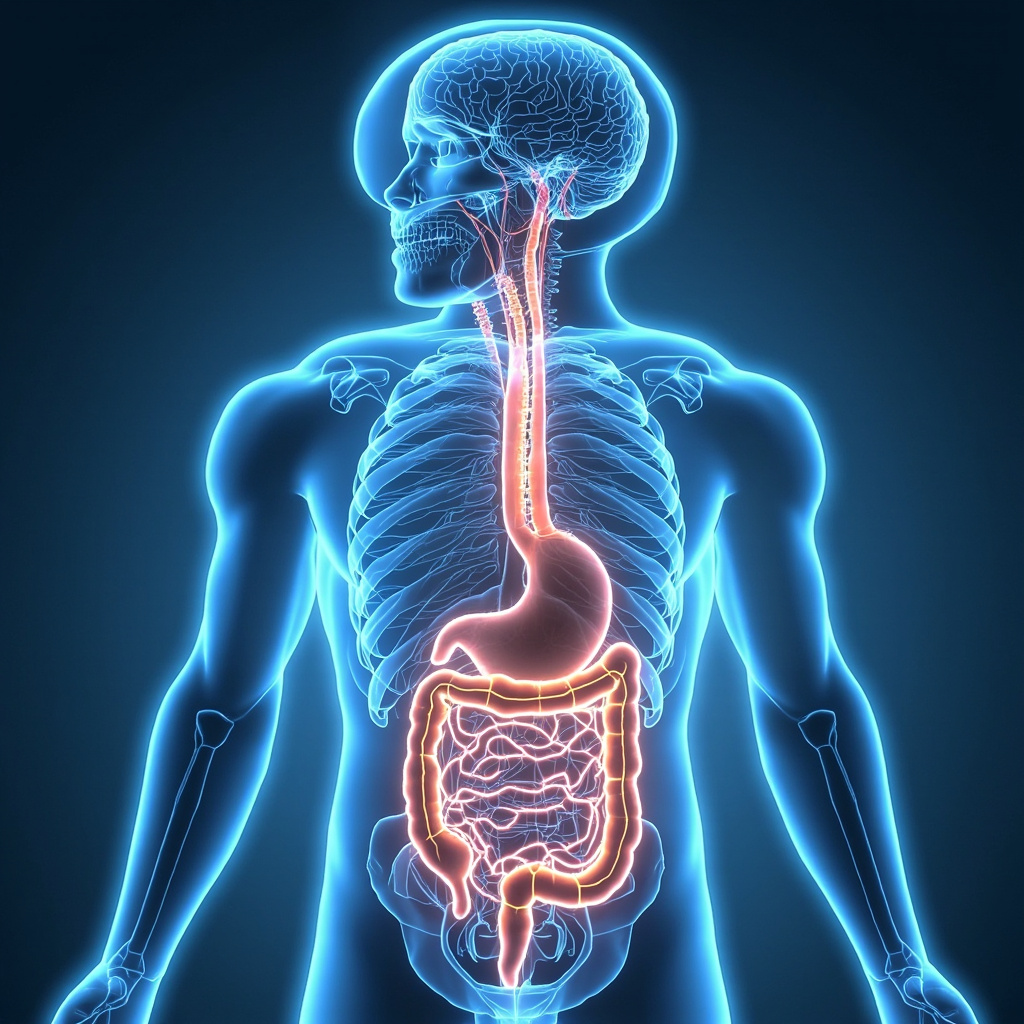
Parasympathetic Nerves: Part of the Autonomic Nervous System
(nerves.parasympathetic)The parasympathetic nervous system is part of the autonomic nervous system located primarily in the brainstem and sacral spinal cord. It functions to conserve energy by slowing the heart rate, increasing intestinal and gland activity, and relaxing sphincter muscles. Proper functioning promotes rest, digestion, and recovery. Malfunctioning can result in issues such as digestive problems, abnormal heart rate, and impaired glandular secretions.
The parasympathetic nervous system can help prioritize organs by promoting relaxation and energy conservation, thereby enhancing digestion, stabilizing heart rate, and improving glandular function, which collectively support overall health and recovery.
The parasympathetic nervous system is linked to feelings of relaxation, safety, and restoration. Malfunctioning may indicate unresolved stress or trauma, often related to feelings of being overwhelmed, a lack of support, or the inability to let go and relax. This can manifest in physical symptoms such as digestive issues, fatigue, or heart problems. Emotional healing and addressing underlying conflicts are considered crucial for restoring balance.
The parasympathetic nervous system (PNS) is a critical component of the autonomic nervous system, primarily responsible for promoting the body's rest-and-digest state. By facilitating functions such as slowing the heart rate, enhancing gastrointestinal activity, and stimulating glandular secretions, the PNS plays a vital role in energy conservation and recovery. Its interactions with vital organs, including the heart, lungs, and digestive system, establish a systemic network that supports holistic well-being. For instance, effective PNS activity improves digestion and nutrient absorption, which are essential for maintaining energy levels and overall vitality. Additionally, the PNS is associated with emotional and mental health, as its balanced functioning fosters feelings of calmness and safety, crucial for overcoming stress and trauma. When the PNS is compromised, individuals may experience heightened anxiety, digestive disturbances, and fatigue. Addressing these issues through practices that enhance parasympathetic tone, such as mindfulness and deep breathing, can significantly improve resilience and promote a sense of energetic balance, thereby enhancing overall health and well-being.
In BioCoherence, find the organ biomarkers and structures in Analyze > Body > Organs maps.
To comment, subscribe to the newsletter and get exclusive BioCoherence offers, please create a free account
Legal page
Website (c) 2026 Coherence Labs; contents (c) their respective authors.
Disclaimer BioCoherence provides both an academic analysis and an energetic and experimental analysis.
The information displayed may or may not be correlated with the physical state of the systems.
Calculations are based on individual measurements and experimental algorithms.
All computed results like energy levels, entropy levels and coherent systems are designed to provide useful information for personal development, not for medical purposes. The usage of all results are under the sole responsibility or the user. In case of doubt, it is important to consult a medical doctor. Please check our EULA before deciding your use of the software.