


Body zones
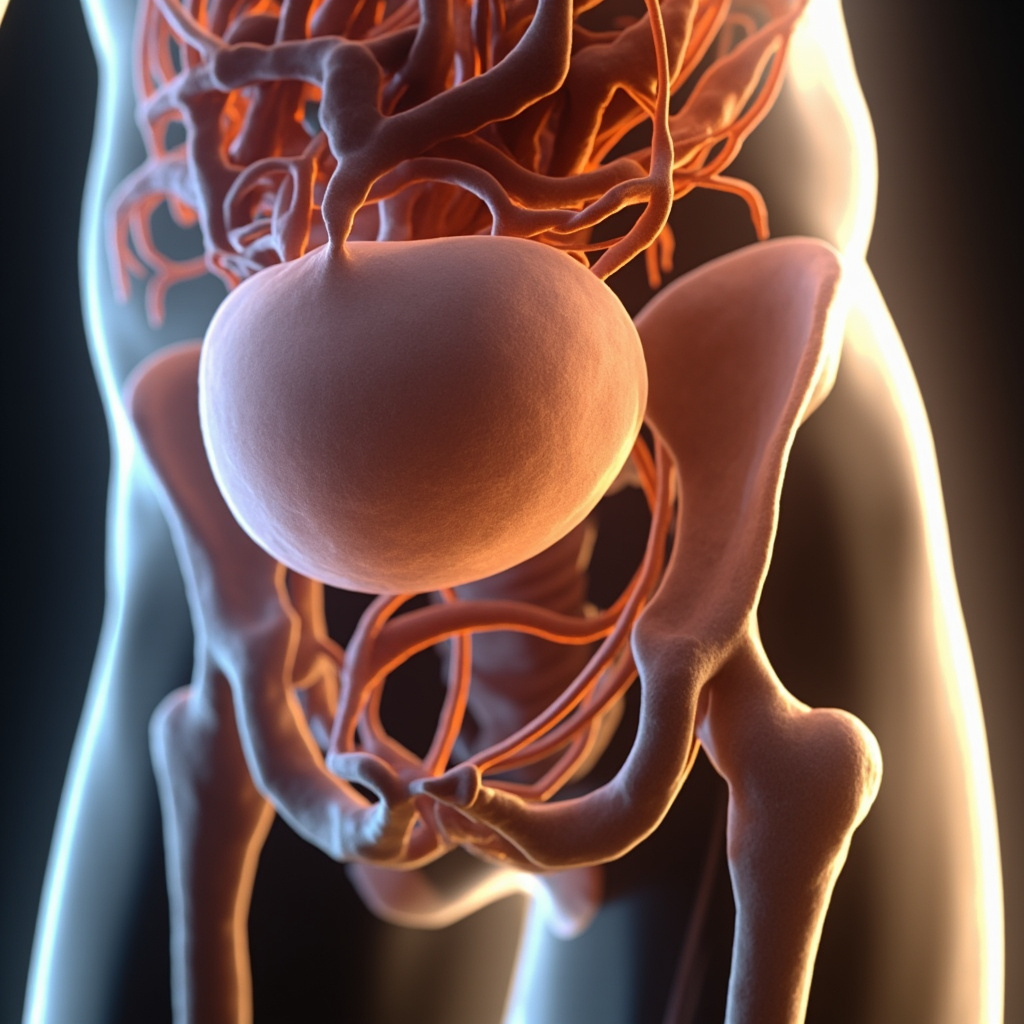
Bladder Mucosa: Lining of the Urinary Bladder
(mucosae.bladder)The bladder is a hollow, muscular organ located in the pelvis. It stores urine produced by the kidneys until it is expelled from the body during urination. When functioning properly, the bladder maintains continence, allowing voluntary control over urination. If malfunctioning, it can lead to conditions such as incontinence, urinary retention, or infections, affecting overall urinary health.
The bladder can help other organs by regulating fluid balance and waste removal, providing necessary information about hydration status, and influencing emotional well-being through its connections to feelings of control and boundaries, thereby supporting overall health and functional harmony within the body.
The bladder is linked to emotions and feelings of territory, boundaries, and control. Issues with the bladder may indicate conflicts related to marking one's space, feeling invaded, or the inability to assert personal boundaries. These conflicts can lead to feelings of insecurity, fear of losing control, and anxiety about maintaining one's domain. This emotional stress can manifest as physical symptoms or malfunctions in the bladder.
The bladder mucosa is a specialized epithelial lining of the urinary bladder, primarily composed of transitional cells that facilitate the bladder's expansion and contraction during urine storage and elimination. This mucosal barrier plays a critical role in protecting underlying tissues from toxic substances in urine and preventing infections. By maintaining effective fluid regulation and waste removal, the bladder mucosa supports overall physical health and contributes to energetic vitality. Its interactions with the kidneys and urinary tract are vital for systemic fluid balance, while its neural connections influence emotional states, underscoring the bladder's role in feelings of control and personal boundaries. Dysfunctions in bladder mucosa can lead to issues like incontinence, which may provoke anxiety or emotional distress related to vulnerability and loss of autonomy. This highlights the importance of bladder health in fostering resilience and well-being. Moreover, a well-functioning bladder mucosa supports energetic coherence, allowing for optimal physical performance and emotional stability, thereby enhancing overall quality of life.
In BioCoherence, find the organ biomarkers and structures in Analyze > Body > Organs maps.
To comment, subscribe to the newsletter and get exclusive BioCoherence offers, please create a free account
Legal page
Website (c) 2026 Coherence Labs; contents (c) their respective authors.
Disclaimer BioCoherence provides both an academic analysis and an energetic and experimental analysis.
The information displayed may or may not be correlated with the physical state of the systems.
Calculations are based on individual measurements and experimental algorithms.
All computed results like energy levels, entropy levels and coherent systems are designed to provide useful information for personal development, not for medical purposes. The usage of all results are under the sole responsibility or the user. In case of doubt, it is important to consult a medical doctor. Please check our EULA before deciding your use of the software.