


Body zones
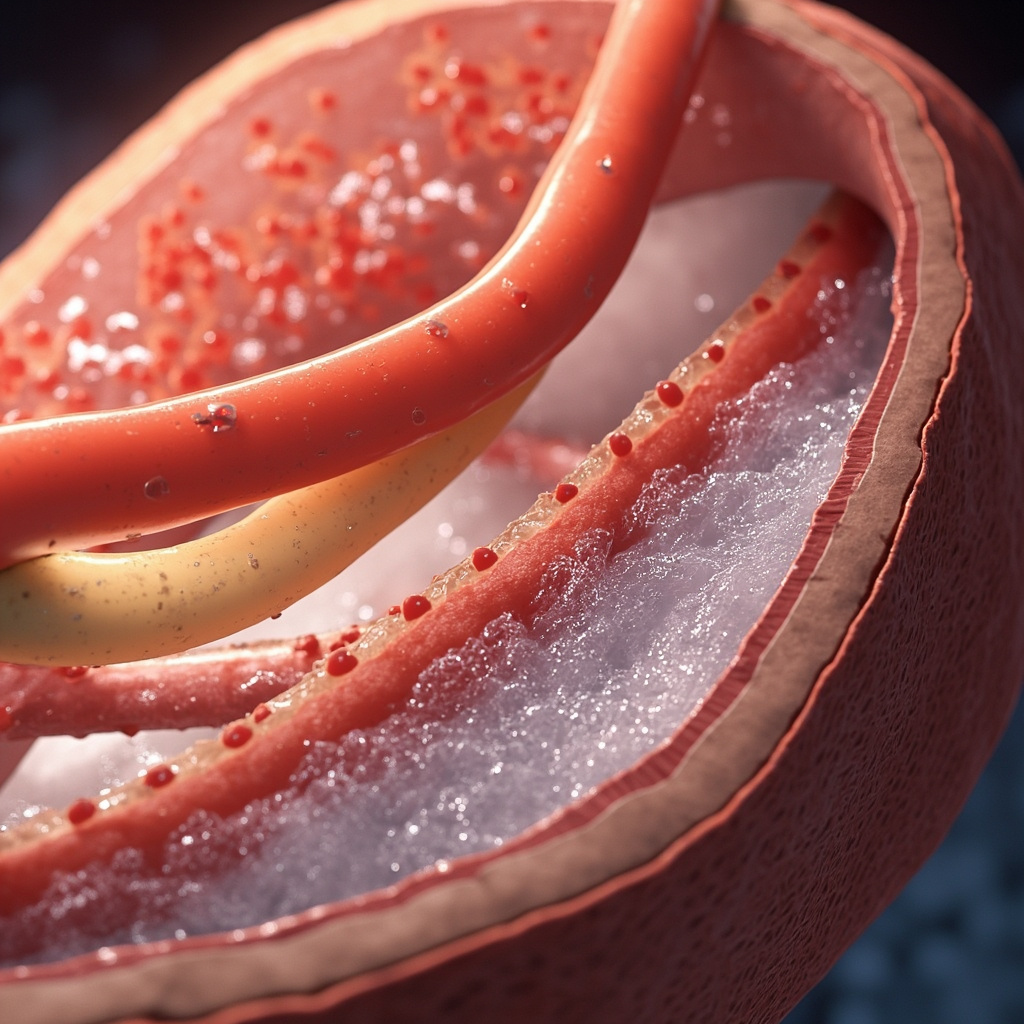
Fluids: Essential Body Liquids for Life and Health
(fluids)Fluids in the body, such as blood, lymph, and interstitial fluid, are found in various locations including blood vessels, lymphatic vessels, and spaces between cells. When functioning properly, these fluids transport nutrients, oxygen, and waste products, regulate temperature, and maintain cellular homeostasis. If malfunctioning, it can lead to dehydration, edema, impaired nutrient delivery, and toxin buildup, potentially causing conditions like heart failure, kidney issues, and lymphedema.
Fluids can help by transporting essential nutrients and oxygen to organs, regulating temperature, maintaining cellular balance, and facilitating the removal of waste products, thereby supporting overall organ health and function.
Biological decoding suggests that issues with bodily fluids can indicate unresolved emotions and feelings of being overwhelmed or unable to process experiences. Fluid imbalances may symbolize struggles with emotional flow, such as feeling inundated by circumstances or unable to express emotions freely. Possible causes of malfunctioning could include feelings of being swamped by responsibilities, suppressed emotions, or a lack of emotional support.
Fluids in the body play a vital role as essential biomolecules, including blood, lymph, and interstitial fluid, facilitating numerous physiological processes critical for maintaining homeostasis and overall health. These fluids are crucial for nutrient delivery, oxygen transport, and waste removal, thereby influencing physical vitality and energy levels. They interact closely with organs such as the heart, kidneys, and lungs, ensuring effective circulation and filtration, which are necessary for optimal metabolic functions. Additionally, imbalances in bodily fluids can correlate with emotional states, reflecting unresolved issues or feelings of stagnation, which may manifest as physical ailments or reduced resilience. For instance, dehydration can lead to fatigue and cognitive decline, while excess fluid retention may signify emotional overwhelm. By supporting the physiological and emotional aspects of well-being, maintaining fluid balance enhances energy, vitality, and resilience, enabling individuals to navigate life's challenges more effectively. Understanding these connections underscores the importance of fluid health in achieving holistic well-being and emotional equilibrium.
In BioCoherence, find the organ biomarkers and structures in Analyze > Body > Organs maps.
To comment, subscribe to the newsletter and get exclusive BioCoherence offers, please create a free account
Legal page
Website (c) 2026 Coherence Labs; contents (c) their respective authors.
Disclaimer BioCoherence provides both an academic analysis and an energetic and experimental analysis.
The information displayed may or may not be correlated with the physical state of the systems.
Calculations are based on individual measurements and experimental algorithms.
All computed results like energy levels, entropy levels and coherent systems are designed to provide useful information for personal development, not for medical purposes. The usage of all results are under the sole responsibility or the user. In case of doubt, it is important to consult a medical doctor. Please check our EULA before deciding your use of the software.