


Zone del corpo
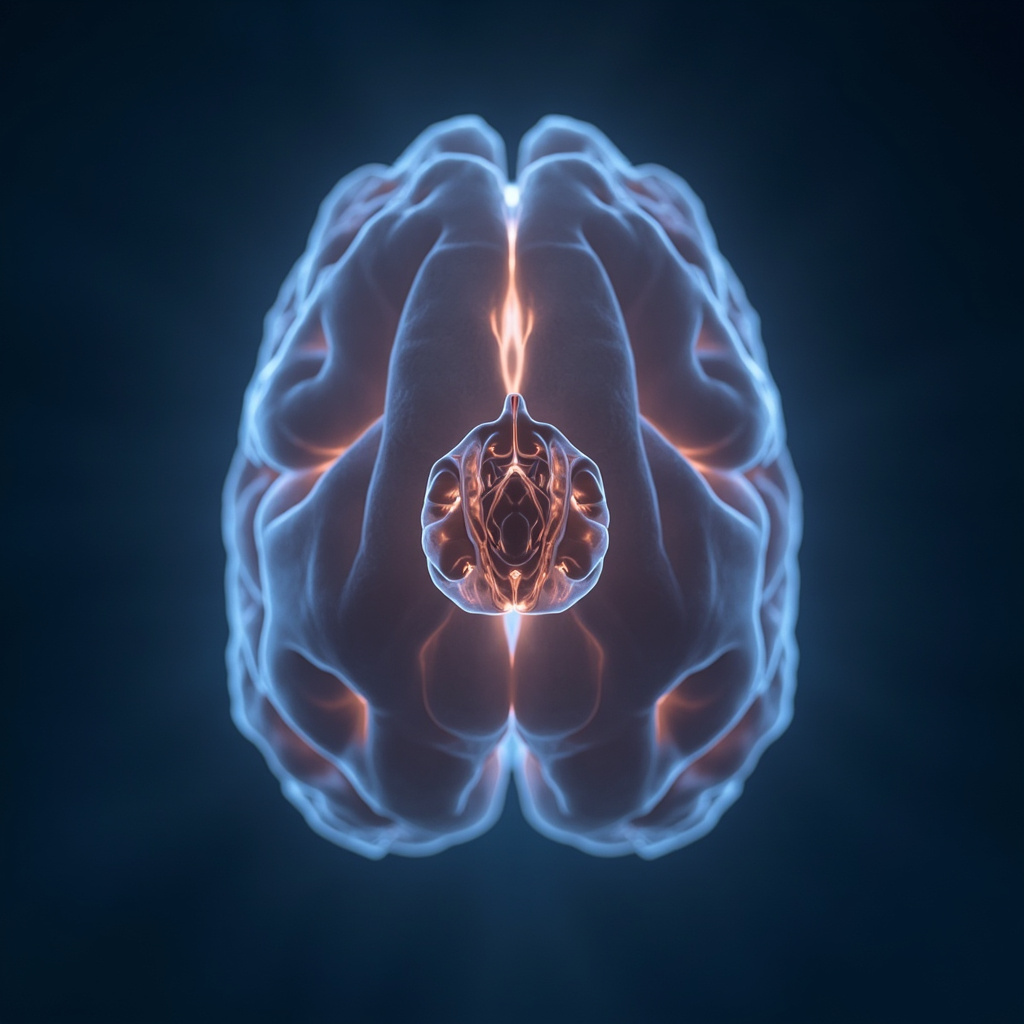
Ghiandola pituitaria: Regolatore principale degli ormoni del corpo
(glands.pituitary)La ghiandola pituitaria si trova alla base del cervello, appena sotto l'ipotalamo. Quando funziona correttamente, produce ormoni che regolano varie funzioni corporee come la crescita, il metabolismo e la riproduzione. Se la ghiandola pituitaria presenta malfunzionamenti, può portare a condizioni come disturbi della crescita, problemi tiroidei, insufficienza surrenalica e infertilità.
La ghiandola pituitaria può aiutare altri organi regolando la produzione ormonale, garantendo una corretta crescita, metabolismo e funzioni riproduttive, oltre a mantenere l'equilibrio emotivo e un senso di controllo sui processi corporei, il che può alleviare lo stress e migliorare il benessere generale.
La ghiandola pituitaria è associata a sentimenti di controllo, autorità, e gestione delle responsabilità. I malfunzionamenti possono essere collegati a un percepito impossibilità di controllare la propria vita o l'ambiente, portando a stress e conflitti emozionali. Problemi con questa ghiandola possono riflettere sentimenti profondamente radicati di inadeguatezza, pressione per soddisfare le aspettative, o un opprimente senso di dovere.
La ghiandola pituitaria, spesso chiamata "ghiandola principale", è fondamentale per regolare una moltitudine di funzioni corporee attraverso la sua produzione ormonale. Situata alla base del cervello, orchestra l'attività di altre ghiandole endocrine, inclusa la tiroide, le ghiandole surrenali e gli organi riproduttivi, influenzando così crescita, metabolismo e salute riproduttiva. Producendo ormoni come ormone della crescita (GH), ormone stimolante la tiroide (TSH) e ormone adrenocorticotropo (ACTH), la pituitaria supporta non solo la vitalità fisica ma contribuisce anche a chiarezza mentale e stabilità emotiva. Le sue interazioni con l'ipotalamo creano un circuito di feedback che aiuta a mantenere l'omeostasi e la resilienza in risposta allo stress. Questa ghiandola è anche collegata a sentimenti di empowerment e auto-efficacia; la disfunzione può portare a sfide emotive come ansia o depressione. Garantendo livelli ormonali bilanciati, la ghiandola pituitaria gioca un ruolo fondamentale nel migliorare l'energia, la vitalità e il benessere complessivi, stabilendola come un attore chiave nel raggiungimento di una salute ottimale e di un equilibrio emotivo.
In BioCoherence, find the organ biomarkers and structures in Analyze > Body > Organs maps.
To comment, subscribe to the newsletter and get exclusive BioCoherence offers, please create a free account
Legal page
Website (c) 2026 Coherence Labs; contents (c) their respective authors.
Disclamere BioCoherence fornisce sia un'analisi accademica che un'analisi energetica e sperimentale.
Le informazioni visualizzate possono essere correlate o meno con lo stato fisico dei sistemi.
I calcoli si basano su misurazioni individuali e algoritmi sperimentali.
Tutti i risultati calcolati, come i livelli di energia, i livelli di entropia e i sistemi coerenti, sono progettati per fornire informazioni utili per lo sviluppo personale, non per scopi medici. L'uso di tutti i risultati è sotto la sola responsabilità dell'utente. In caso di dubbi, è importante consultare un medico. Si prega di controllare il nostro EULA prima di decidere l'uso del software.