


Zone del corpo
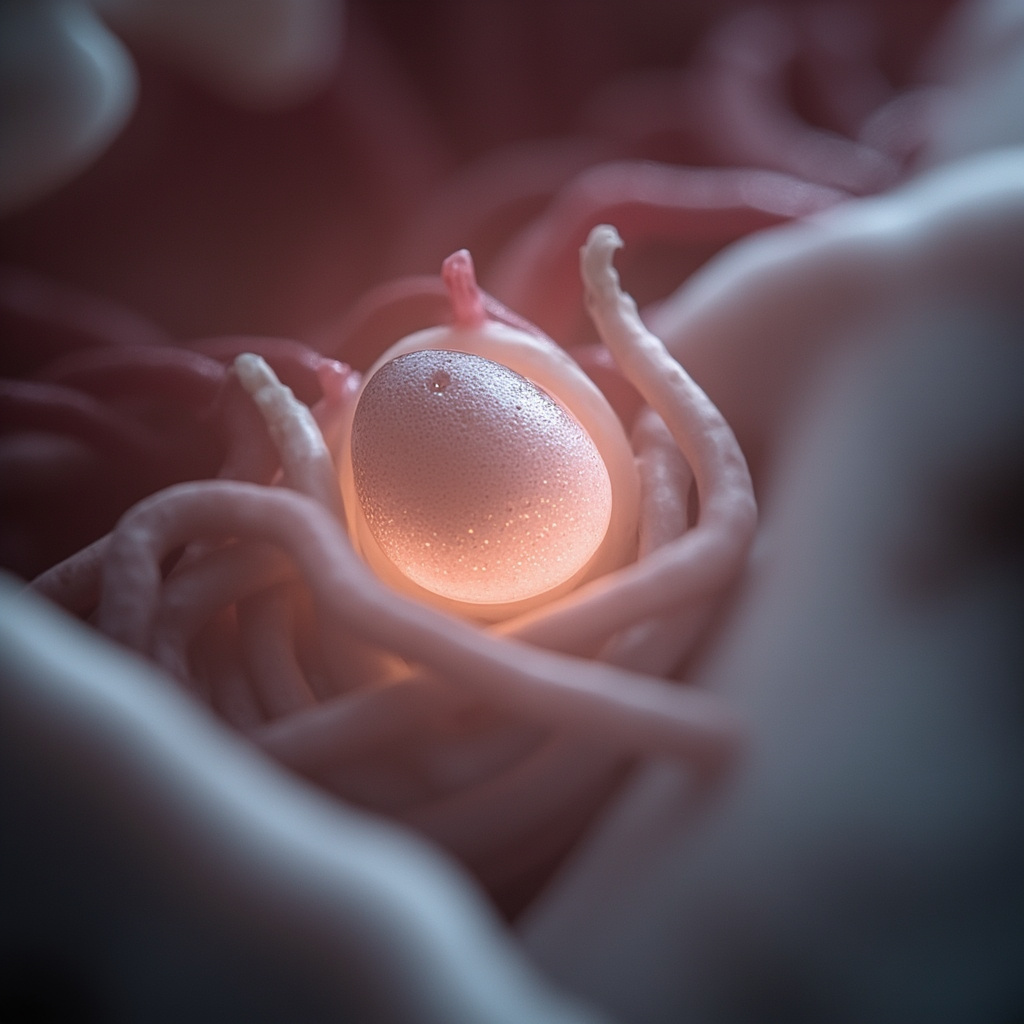
Ghiandola pineale: una piccola struttura cerebrale che regola il sonno
(glands.pineal)La ghiandola pineale è una piccola ghiandola endocrina a forma di pisello situata nel cervello, vicino al centro, tra i due emisferi. Produce melatonina, un ormone che regola i cicli sonno-veglia. Il funzionamento adeguato della ghiandola pineale assicura modelli di sonno regolari e ritmi circadiani. Un malfunzionamento può portare a disturbi del sonno, depressione, e potenziali disturbi negli ormoni riproduttivi.
(La ghiandola pineale può aiutare altri organi regolando i modelli di sonno e i ritmi circadiani, il che a sua volta supporta un equilibrio ormonale complessivo, una stabilità emotiva e la capacità del corpo di adattarsi ai cambiamenti, promuovendo un senso di ordine e armonia.)
La ghiandola pineale è associata con la regolazione dei cicli sonno-veglia e la produzione di melatonina. I conflitti emotivi e psicologici relativi alla ghiandola pineale spesso includono sentimenti di disorientamento, mancanza di direzione, e ritmi interni interrotti. Problemi con questa ghiandola possono riflettere una paura profondamente radicata dell'ignoto, ansia esistenziale, o un conflitto con il proprio senso del tempo e dei cicli naturali. Un malfunzionamento potrebbe indicare una lotta per adattarsi ai cambiamenti della vita o una disconnessione dal proprio senso interno di ordine e armonia.
La ghiandola pineale è una struttura endocrina vitale situata in profondità nel cervello, principalmente responsabile della produzione di melatonina, un ormone che gioca un ruolo cruciale nella regolazione dei cicli sonno-veglia e dei ritmi circadiani. Coordinando l'orologio interno del corpo, la ghiandola pineale supporta non solo il sonno riparatore ma migliora anche la vitalità fisica, la chiarezza mentale e la stabilità emotiva. Le sue interazioni con altri organi, come l'ipotalamo e la ghiandola pituitaria, sono essenziali per mantenere l'equilibrio ormonale e rispondere efficacemente agli stressori, promuovendo così la resilienza. Le associazioni emotive con la ghiandola pineale spesso riguardano l'intuizione e la consapevolezza spirituale, poiché è collegata alla capacità del corpo di riflessione interiore e connessione con i cicli naturali. Le interruzioni nella sua funzione possono manifestarsi come insonnia, disturbi dell'umore o sentimenti di disconnessione dal proprio percorso di vita, evidenziando il suo ruolo nel promuovere un senso di ordine e armonia. In definitiva, una ghiandola pineale ben funzionante è fondamentale per sostenere l'energia, migliorare il benessere e facilitare una relazione armoniosa sia con gli ambienti interni che esterni.
In BioCoherence, find the organ biomarkers and structures in Analyze > Body > Organs maps.
To comment, subscribe to the newsletter and get exclusive BioCoherence offers, please create a free account
Legal page
Website (c) 2026 Coherence Labs; contents (c) their respective authors.
Disclamere BioCoherence fornisce sia un'analisi accademica che un'analisi energetica e sperimentale.
Le informazioni visualizzate possono essere correlate o meno con lo stato fisico dei sistemi.
I calcoli si basano su misurazioni individuali e algoritmi sperimentali.
Tutti i risultati calcolati, come i livelli di energia, i livelli di entropia e i sistemi coerenti, sono progettati per fornire informazioni utili per lo sviluppo personale, non per scopi medici. L'uso di tutti i risultati è sotto la sola responsabilità dell'utente. In caso di dubbi, è importante consultare un medico. Si prega di controllare il nostro EULA prima di decidere l'uso del software.