


Energy and mind Structures
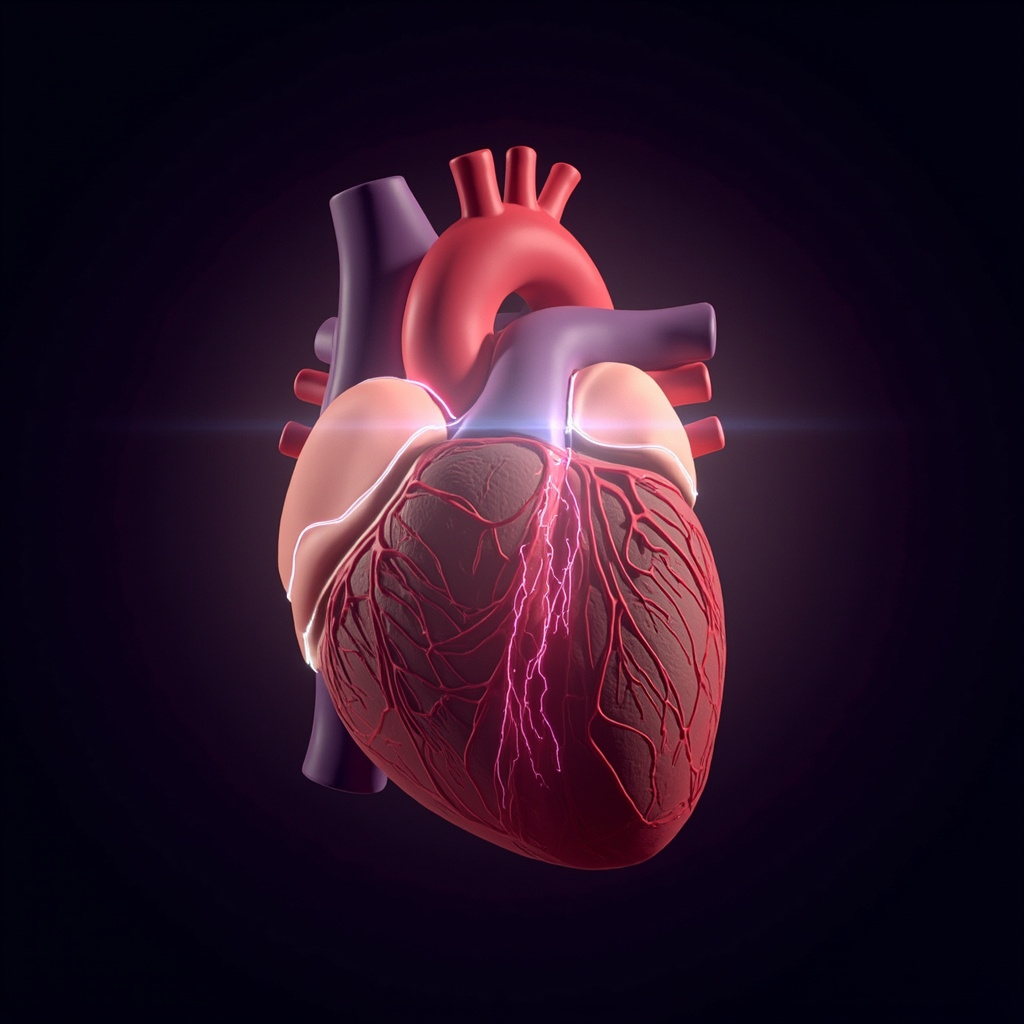
QRS: Ventricular Depolarization Time Ratio Explained
The QRS complex represents the electrical activity associated with ventricular depolarization, a critical phase in the cardiac cycle where the ventricles contract, pumping blood throughout the body. The QRS time ratio is a biomarker that reflects the efficiency and timing of this depolarization, offering insights into heart function. Optimal QRS duration is essential for maintaining effective cardiac output, which directly influences circulatory health and overall vitality. Abnormalities in the QRS complex can indicate underlying conditions such as cardiomyopathy or conduction system disorders, linking the heart's electrical activity to systemic health. Additionally, the heart's rhythmic function interacts closely with the nervous system and hormonal regulation, emphasizing the importance of emotional well-being on cardiac health. Stress and anxiety can lead to dysregulation of heart rhythms, underscoring the mind-body connection. By supporting an optimal QRS time ratio, individuals can enhance their energy levels, resilience, and overall well-being, contributing to a harmonious balance of physical and emotional health. Understanding this biomarker empowers individuals to take proactive steps in promoting their cardiovascular and energetic health.
In BioCoherence, find the biomarkers in the Analysis screens.