


Energy and mind Structures
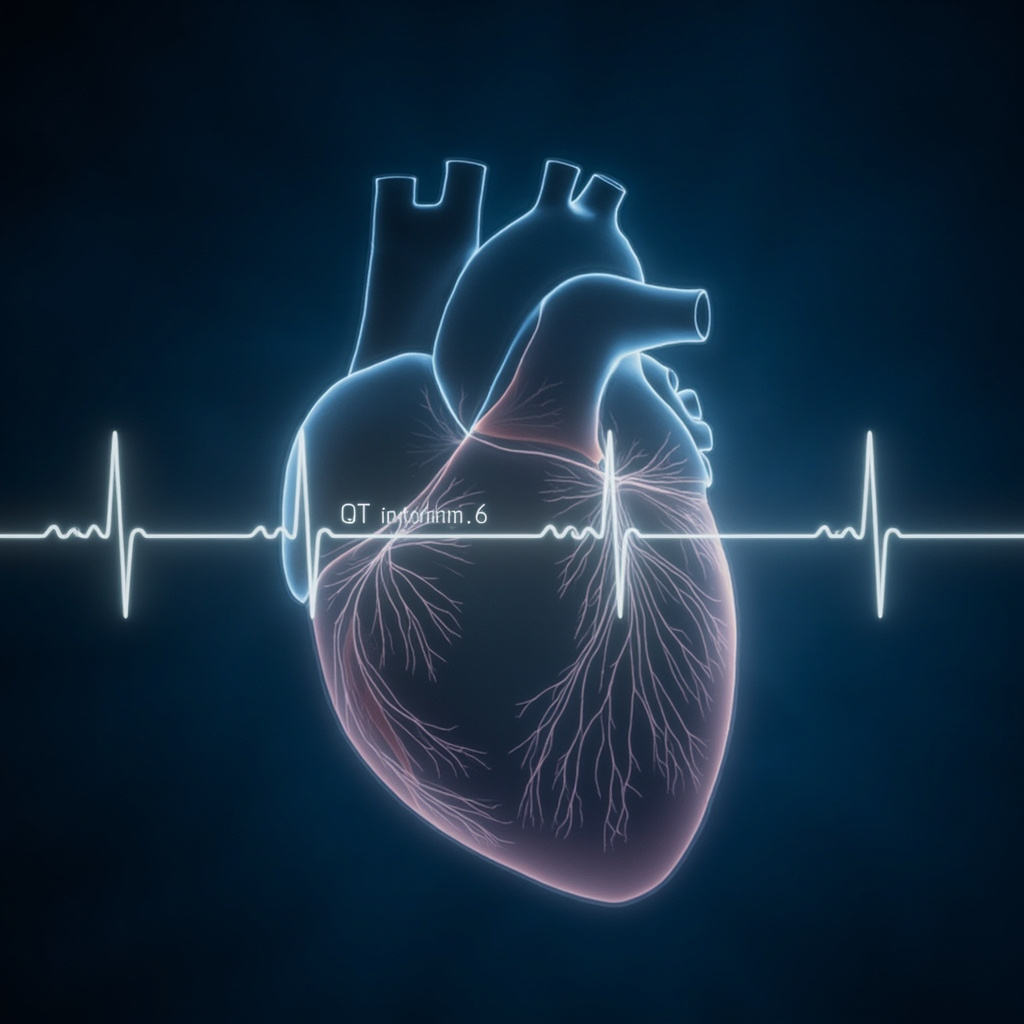
QT Ratio: Understanding Ventricular Repolarization Time
The int-qt (QT Ratio) is a vital biomarker that reflects the time taken for the heart's ventricles to repolarize after each heartbeat, measured through the QT interval on an electrocardiogram (ECG). This ratio is crucial for maintaining cardiovascular health, as abnormalities can indicate potential risks for arrhythmias and other heart conditions. The QT interval interacts closely with the autonomic nervous system, particularly influencing how the heart responds to stress and emotional states. For example, heightened stress can prolong the QT interval, suggesting a link between mental health and cardiac function. Furthermore, the QT Ratio can be affected by electrolyte levels, particularly potassium and magnesium, highlighting the interconnectedness of the heart with other bodily systems, such as the endocrine and nervous systems. A balanced QT interval contributes to energetic resilience, ensuring optimal heart function and supporting overall vitality. This biomarker not only informs about physical well-being but also serves as an indicator of emotional balance; maintaining a healthy QT ratio encourages a sense of stability and well-being, essential for both physical and mental health.
In BioCoherence, find the biomarkers in the Analysis screens.