


Energy and mind Structures
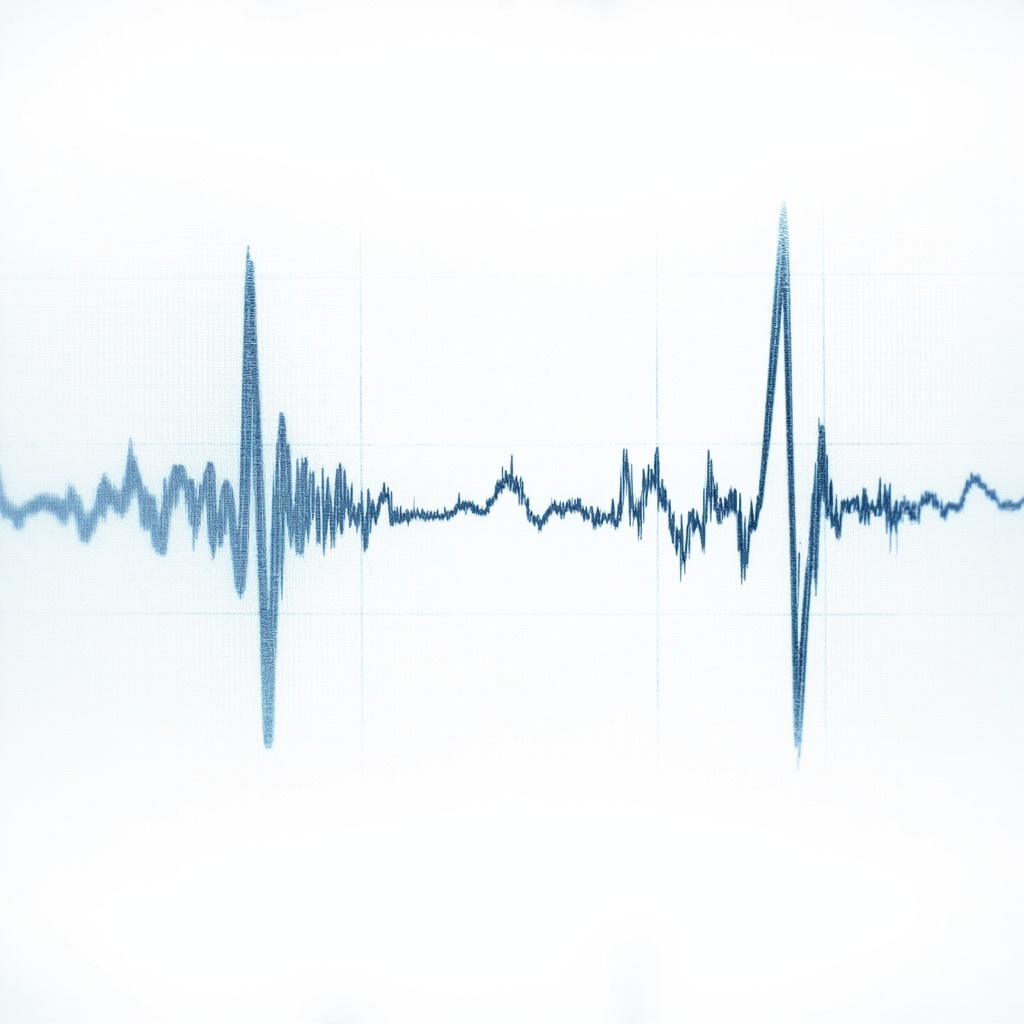
VHF: Nervous System Activity in ECG Analysis
Very High Frequencies (VHF) in ECG analysis, referring to frequencies more than 0.4 Hz, are an official marker for assessing nervous system activity and can indicate heightened nervousness or stress in the human body.
Very High Frequencies (VHF) in electrocardiogram (ECG) analysis serve as a crucial biomarker for assessing the nervous system's activity, particularly in relation to stress and anxiety levels. These frequencies, exceeding 0.4 Hz, reflect the heart's response to emotional and physical stimuli, underscoring the intricate connection between the cardiovascular and nervous systems. Elevated VHF readings can indicate heightened sympathetic nervous system activity, often associated with stress responses, which may disrupt overall energy flow and lead to various health issues. The interplay between VHF and other biomarkers, such as heart rate variability (HRV), further illustrates the body's systemic connections, where optimal VHF levels promote resilience and vitality. Emotionally, balanced VHF readings correlate with a sense of calm and well-being, enhancing mental clarity and reducing feelings of nervousness. By monitoring and interpreting VHF, individuals can implement targeted strategies to enhance their energetic health and emotional stability, supporting their journey toward improved physical, mental, and overall well-being. This understanding empowers users to cultivate a more harmonious relationship between their mind, body, and energy, fostering resilience and vitality in daily life.
In BioCoherence, find the biomarkers in the Analysis screens.
To comment, subscribe to the newsletter and get exclusive BioCoherence offers, please create a free account
Legal page
Website (c) 2026 Coherence Labs; contents (c) their respective authors.
Disclaimer BioCoherence provides both an academic analysis and an energetic and experimental analysis.
The information displayed may or may not be correlated with the physical state of the systems.
Calculations are based on individual measurements and experimental algorithms.
All computed results like energy levels, entropy levels and coherent systems are designed to provide useful information for personal development, not for medical purposes. The usage of all results are under the sole responsibility or the user. In case of doubt, it is important to consult a medical doctor. Please check our EULA before deciding your use of the software.