


Energy and mind Structures
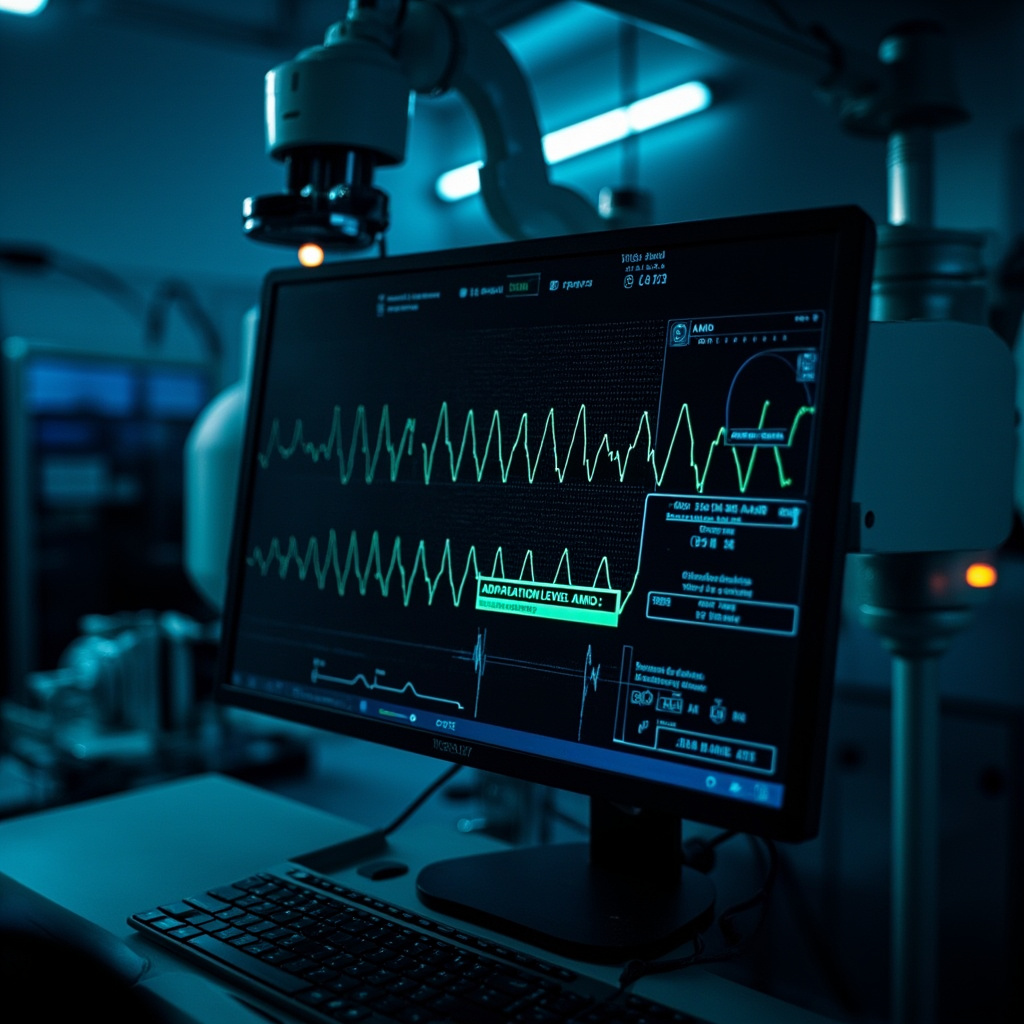
Adaptation Level: Understanding Heart Response to Change
Adaptation Level (AMo) in ECG analysis refers to a parameter that quantifies the heart's ability to adapt to varying physiological conditions. It typically measures the modulation of autonomic nervous system activity, reflecting how well the heart responds to stress or relaxation.
Adaptation Level (AMo) is a crucial biomarker in understanding how the heart responds to physiological changes, serving as an indicator of the autonomic nervous system's modulation. This parameter reflects the heart's ability to transition between states of stress and relaxation, impacting not only cardiovascular health but also mental resilience and emotional stability. The heart interacts closely with the brain, particularly in the regulation of stress responses, through pathways that influence hormones such as cortisol and adrenaline. When the heart operates efficiently, it enhances overall vitality and energy, creating a positive feedback loop that supports other organs, including the lungs and kidneys, which also play roles in stress management. Additionally, a well-regulated heart fosters a sense of emotional balance, contributing to energetic coherence-the alignment of body, mind, and spirit. This alignment enhances resilience against external stressors, encouraging a state of well-being that is vital for maintaining optimal health. Understanding AMo empowers individuals to cultivate practices that promote heart health, ultimately boosting their physical, emotional, and energetic vitality.
In BioCoherence, find the biomarkers in the Analysis screens.
To comment, subscribe to the newsletter and get exclusive BioCoherence offers, please create a free account
Legal page
Website (c) 2026 Coherence Labs; contents (c) their respective authors.
Disclaimer BioCoherence provides both an academic analysis and an energetic and experimental analysis.
The information displayed may or may not be correlated with the physical state of the systems.
Calculations are based on individual measurements and experimental algorithms.
All computed results like energy levels, entropy levels and coherent systems are designed to provide useful information for personal development, not for medical purposes. The usage of all results are under the sole responsibility or the user. In case of doubt, it is important to consult a medical doctor. Please check our EULA before deciding your use of the software.