


Energy and mind Structures
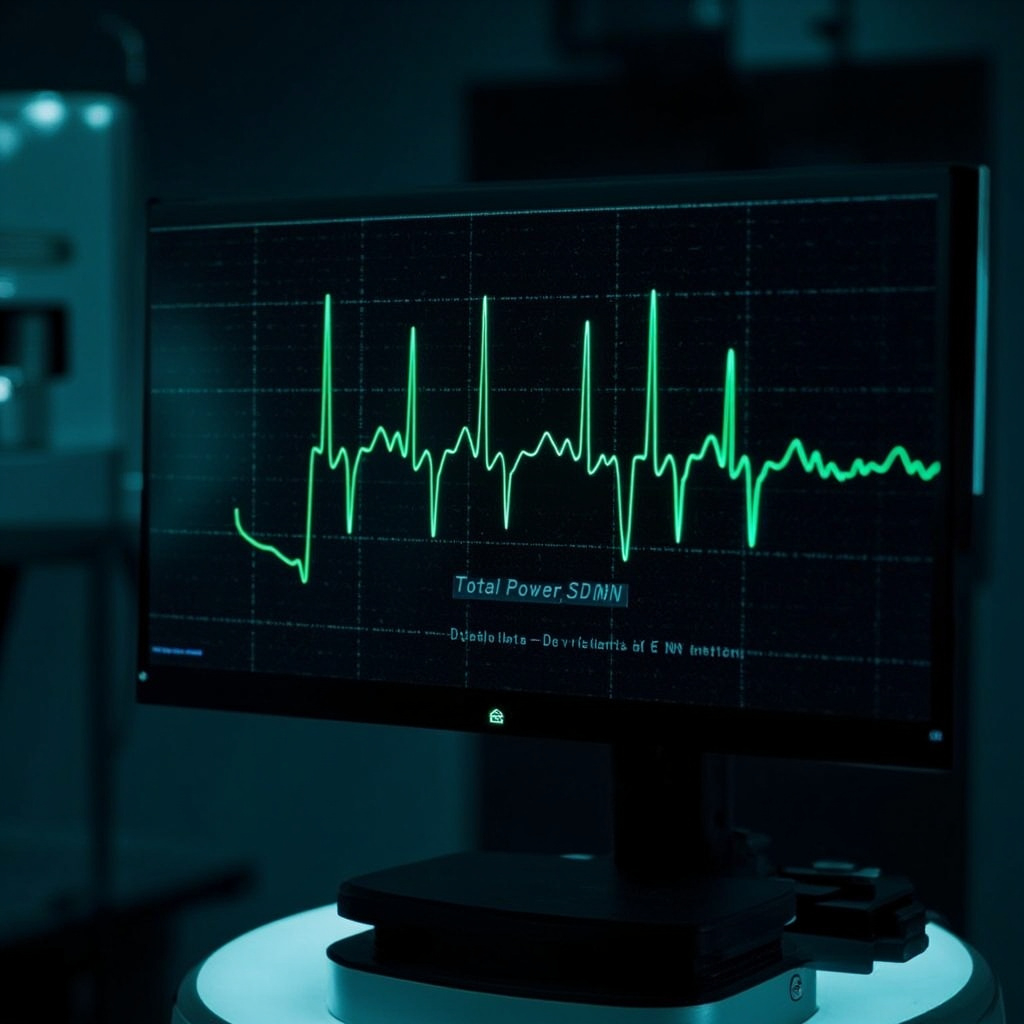
Total Power: Measure of Heart Rate Variability
Total Power, technically known as SDNN (Standard Deviation of NN intervals), is a measure used in ECG analysis to quantify the variability in heart rate. It reflects the overall variability in the time intervals between consecutive heartbeats (NN intervals). Higher SDNN values generally indicate greater autonomic flexibility and cardiovascular health, while lower values suggest reduced variability and potential cardiac issues.
SDNN, or Standard Deviation of NN intervals, serves as a vital indicator of *heart rate variability* (HRV), reflecting the autonomic nervous system's adaptability and overall cardiovascular health. This biomarker measures the time variations between heartbeats, providing insights into the balance between the sympathetic and parasympathetic systems. A higher SDNN value suggests enhanced *autonomic flexibility*, which is crucial for coping with stress and maintaining emotional resilience. It is closely linked to other physiological markers, such as blood pressure and hormonal responses, demonstrating its systemic connections throughout the body. In terms of emotional health, improved HRV is associated with reduced anxiety and better mood regulation, highlighting its importance in mental well-being. Furthermore, SDNN can influence energy levels and vitality, as a well-regulated cardiovascular system supports efficient oxygen delivery and nutrient transport, essential for optimal cellular function. By fostering resilience against stressors and promoting a sense of calm, SDNN plays a key role in enhancing overall *well-being*, making it an essential focus for those aiming to achieve greater *BioCoherence* in their health journey.
In BioCoherence, find the biomarkers in the Analysis screens.
To comment, subscribe to the newsletter and get exclusive BioCoherence offers, please create a free account
Legal page
Website (c) 2026 Coherence Labs; contents (c) their respective authors.
Disclaimer BioCoherence provides both an academic analysis and an energetic and experimental analysis.
The information displayed may or may not be correlated with the physical state of the systems.
Calculations are based on individual measurements and experimental algorithms.
All computed results like energy levels, entropy levels and coherent systems are designed to provide useful information for personal development, not for medical purposes. The usage of all results are under the sole responsibility or the user. In case of doubt, it is important to consult a medical doctor. Please check our EULA before deciding your use of the software.