


Energy and mind Structures
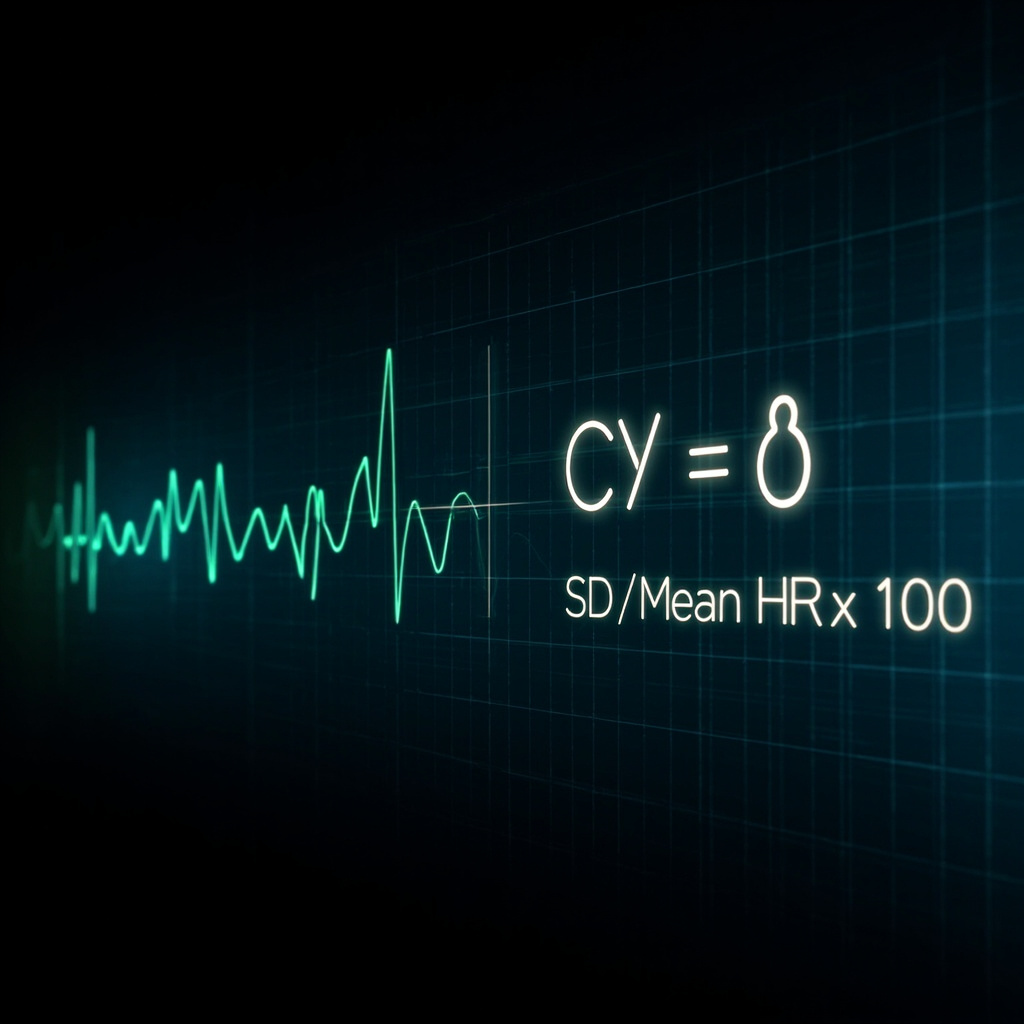
Variation Factor: Measuring Heart Rate Variability
The Variation factor, technically known as the Coefficient of Variation (CV), in ECG analysis quantifies the extent of variability in heart rate relative to the mean heart rate. It is calculated as the ratio of the standard deviation (SD) to the mean heart rate, typically expressed as a percentage. A higher CV indicates greater variability in heart rate, which can be significant in diagnosing and monitoring cardiac conditions.
The Variation Factor (VF), or Coefficient of Variation (CV), is a crucial biomarker in understanding Heart Rate Variability (HRV), reflecting the heart's adaptability to stressors and physiological demands. By assessing the variability in heart rate relative to its average, the VF provides insights into autonomic nervous system function, particularly the balance between the sympathetic and parasympathetic systems. This balance is essential for optimal physical and mental health, as it influences stress response, emotional regulation, and recovery processes. The VF interacts closely with other biomarkers like cortisol and adrenaline, linking heart function to stress levels and emotional states, thereby affecting overall energetic health. High variability, as indicated by a greater VF, is associated with enhanced resilience, vitality, and improved capacity to cope with challenges. Conversely, low variability can signal potential health risks, including cardiovascular issues and heightened stress responses. For users of BioCoherence, understanding the Variation Factor fosters a deeper appreciation of how heart rate dynamics connect with energy flow in the body, supporting holistic well-being and the pursuit of a balanced, energetic life.
In BioCoherence, find the biomarkers in the Analysis screens.
To comment, subscribe to the newsletter and get exclusive BioCoherence offers, please create a free account
Legal page
Website (c) 2026 Coherence Labs; contents (c) their respective authors.
Disclaimer BioCoherence provides both an academic analysis and an energetic and experimental analysis.
The information displayed may or may not be correlated with the physical state of the systems.
Calculations are based on individual measurements and experimental algorithms.
All computed results like energy levels, entropy levels and coherent systems are designed to provide useful information for personal development, not for medical purposes. The usage of all results are under the sole responsibility or the user. In case of doubt, it is important to consult a medical doctor. Please check our EULA before deciding your use of the software.