


Energy and mind Structures
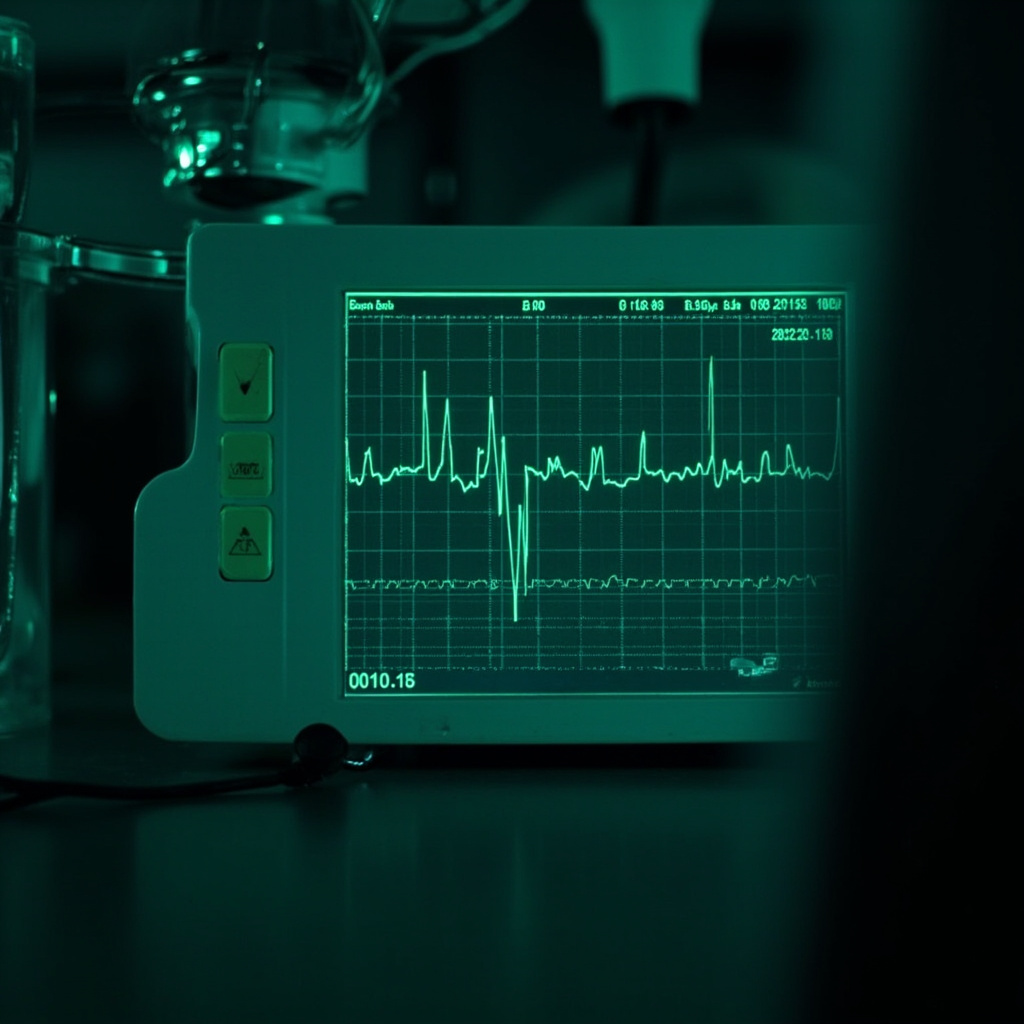
BPM: Heart Rate Measurement for Cardiac Health
Beats per minute (bpm) in ECG analysis measures the heart rate, indicating the number of heartbeats in one minute. It is used to assess cardiac function and can help detect arrhythmias, tachycardia, bradycardia, and other heart conditions.
Beats per minute (bpm) is a critical biomarker reflecting heart rate, which plays a vital role in regulating blood circulation and oxygen delivery throughout the body. A healthy bpm is essential for maintaining optimal physical performance, mental clarity, and emotional stability. The heart's rhythmic contractions are closely linked with the autonomic nervous system, influencing stress response and energy levels, while interactions with organs such as the lungs and kidneys ensure effective gas exchange and fluid balance. Elevated bpm can indicate heightened stress or anxiety, whereas lower bpm may signify relaxation and resilience. Maintaining a balanced heart rate fosters energy and vitality, supporting the body's ability to adapt to challenges and enhance overall well-being. Furthermore, the heart's coherence with breathing patterns can enhance emotional regulation, promoting a sense of calm and focus important for mental health. By monitoring and optimizing bpm, individuals can cultivate greater resilience and energy flow, essential for achieving holistic well-being and enhancing one's quality of life.
In BioCoherence, find the biomarkers in the Analysis screens.
To comment, subscribe to the newsletter and get exclusive BioCoherence offers, please create a free account
Legal page
Website (c) 2026 Coherence Labs; contents (c) their respective authors.
Disclaimer BioCoherence provides both an academic analysis and an energetic and experimental analysis.
The information displayed may or may not be correlated with the physical state of the systems.
Calculations are based on individual measurements and experimental algorithms.
All computed results like energy levels, entropy levels and coherent systems are designed to provide useful information for personal development, not for medical purposes. The usage of all results are under the sole responsibility or the user. In case of doubt, it is important to consult a medical doctor. Please check our EULA before deciding your use of the software.