


Energy and mind Structures
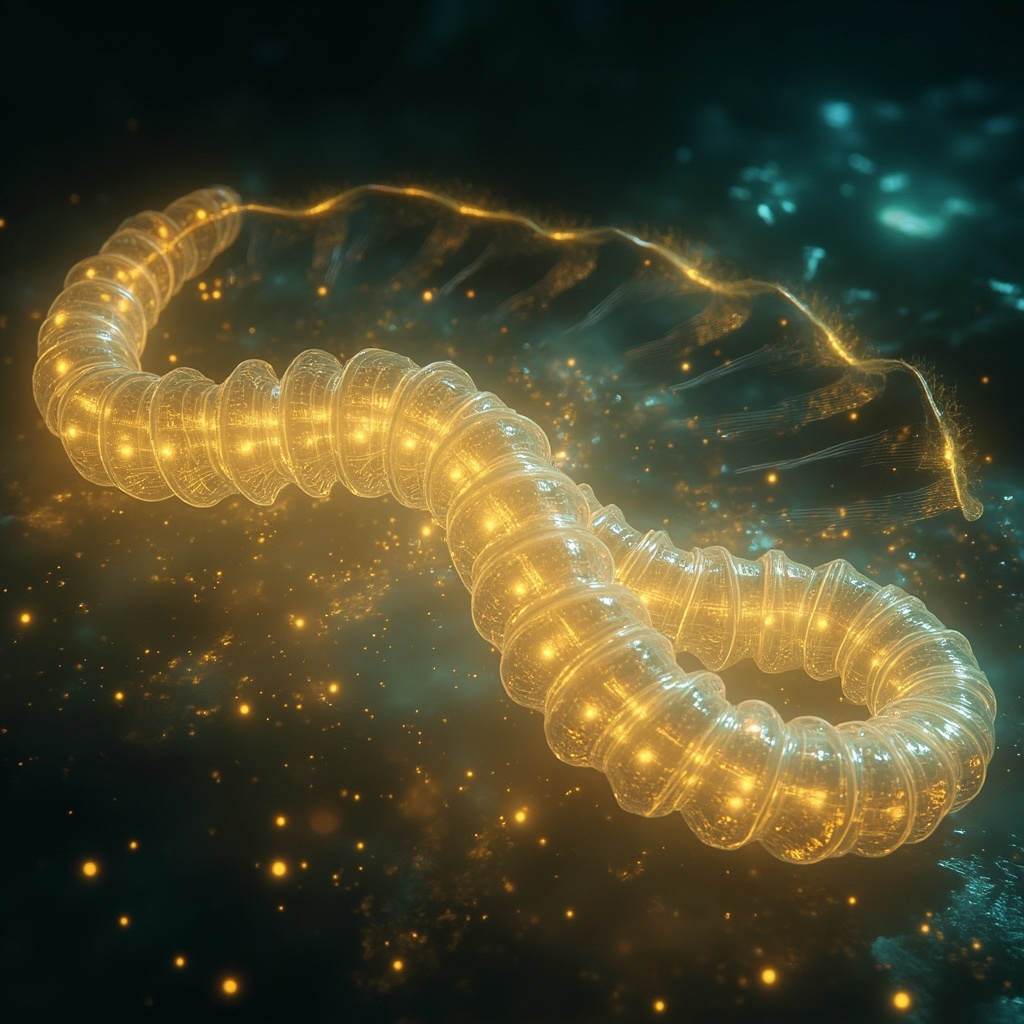
Moniezia expansa: A parasite harming ruminant digestion
Moniezia expansa primarily affects the intestines of ruminants, leading to digestive disturbances by absorbing nutrients and physically obstructing the intestinal tract.
Moniezia expansa, a tapeworm affecting livestock, can evoke feelings of concern or anxiety in those managing infected animals. Infected hosts may experience discomfort or health issues, leading to frustration or stress for caretakers. The presence of the parasite can also cause feelings of urgency to address the infestation to prevent economic loss and ensure animal welfare.
Moniezia expansa is a parasitic tapeworm that primarily affects the intestines of ruminants, disrupting digestive processes and nutrient absorption, which are crucial for maintaining overall vitality and energy levels. This parasite can lead to significant metabolic disturbances, impacting not only the physical health of the host but also influencing emotional well-being, as caretakers may experience heightened stress and concern over the health of their animals. The interaction between Moniezia expansa and the host's gastrointestinal system can result in nutrient deficiencies and decreased energy, ultimately affecting the animal's resilience and ability to thrive. Additionally, the presence of this parasite may trigger systemic responses, leading to inflammation and altered gut microbiota, which further complicates the host's health status. Recognizing these connections is vital for effective management strategies that promote both physical recovery and emotional stability in livestock care. By addressing infestations and restoring gut health, caretakers can enhance the overall well-being and productivity of their ruminants, fostering a harmonious balance between animal health and agricultural efficiency.
In BioCoherence, find the biomarkers in the Analysis screens.
To comment, subscribe to the newsletter and get exclusive BioCoherence offers, please create a free account
Legal page
Website (c) 2026 Coherence Labs; contents (c) their respective authors.
Disclaimer BioCoherence provides both an academic analysis and an energetic and experimental analysis.
The information displayed may or may not be correlated with the physical state of the systems.
Calculations are based on individual measurements and experimental algorithms.
All computed results like energy levels, entropy levels and coherent systems are designed to provide useful information for personal development, not for medical purposes. The usage of all results are under the sole responsibility or the user. In case of doubt, it is important to consult a medical doctor. Please check our EULA before deciding your use of the software.