


Energy and mind Structures
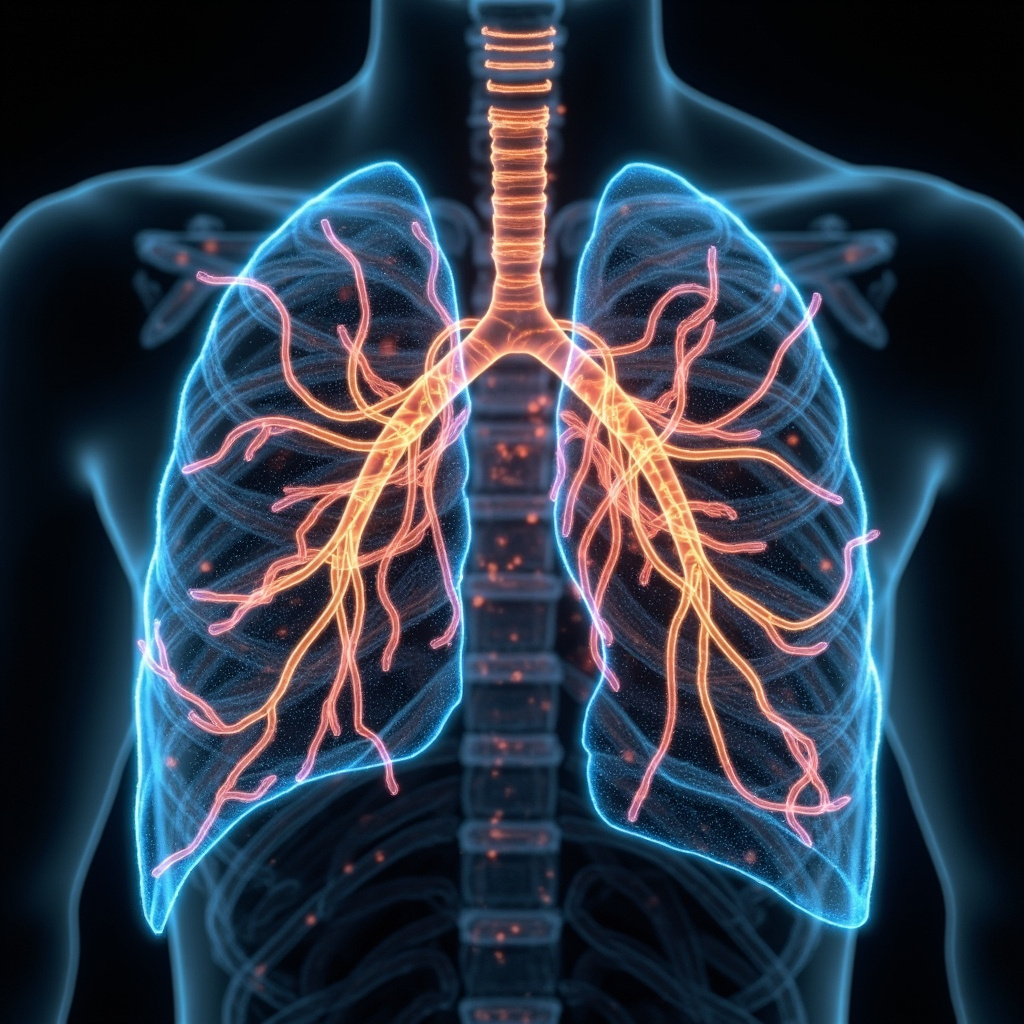
Dirofilaria immitis: Heartworm affecting pets' hearts
Dirofilaria immitis (heartworm) primarily affects the heart and lungs, causing severe respiratory issues in infected animals by obstructing blood flow and damaging blood vessels.
Dirofilaria immitis, commonly known as heartworm, is a parasitic worm that primarily affects dogs and other animals. When this micro-organism is not in a healthy relationship with the host body, it can evoke emotions of concern, anxiety, and fear in pet owners due to its potential to cause serious health issues, including heart failure and respiratory problems. The presence of heartworm can also lead to feelings of urgency and responsibility, as prompt veterinary intervention is crucial to manage and treat the infection. Additionally, there may be feelings of compassion and empathy for the affected animal, as the condition can cause significant distress and discomfort.
Dirofilaria immitis, commonly known as heartworm, is a parasitic organism that impacts the cardiovascular system of its host, typically dogs and cats. This parasite resides within the heart and pulmonary arteries, where it disrupts normal blood circulation, leading to significant cardiovascular strain and respiratory distress. The presence of heartworm can trigger a cascade of systemic responses, including inflammation and immune activation, affecting overall health and energy levels. Interactions with organs such as the lungs and liver can exacerbate the condition, leading to further complications like pulmonary hypertension and liver dysfunction. Emotionally, pet owners may experience heightened anxiety and concern for their pets' well-being, emphasizing the importance of proactive health management and awareness. Understanding the implications of heartworm infection aids in fostering compassion and responsibility among pet owners, enhancing their connection to animal health. By maintaining vigilance and implementing preventive measures, pet owners can support their pets' energy, vitality, and resilience, ultimately contributing to a holistic state of well-being for both the animal and its caregiver.
In BioCoherence, find the biomarkers in the Analysis screens.
To comment, subscribe to the newsletter and get exclusive BioCoherence offers, please create a free account
Legal page
Website (c) 2026 Coherence Labs; contents (c) their respective authors.
Disclaimer BioCoherence provides both an academic analysis and an energetic and experimental analysis.
The information displayed may or may not be correlated with the physical state of the systems.
Calculations are based on individual measurements and experimental algorithms.
All computed results like energy levels, entropy levels and coherent systems are designed to provide useful information for personal development, not for medical purposes. The usage of all results are under the sole responsibility or the user. In case of doubt, it is important to consult a medical doctor. Please check our EULA before deciding your use of the software.