


Energy and mind Structures
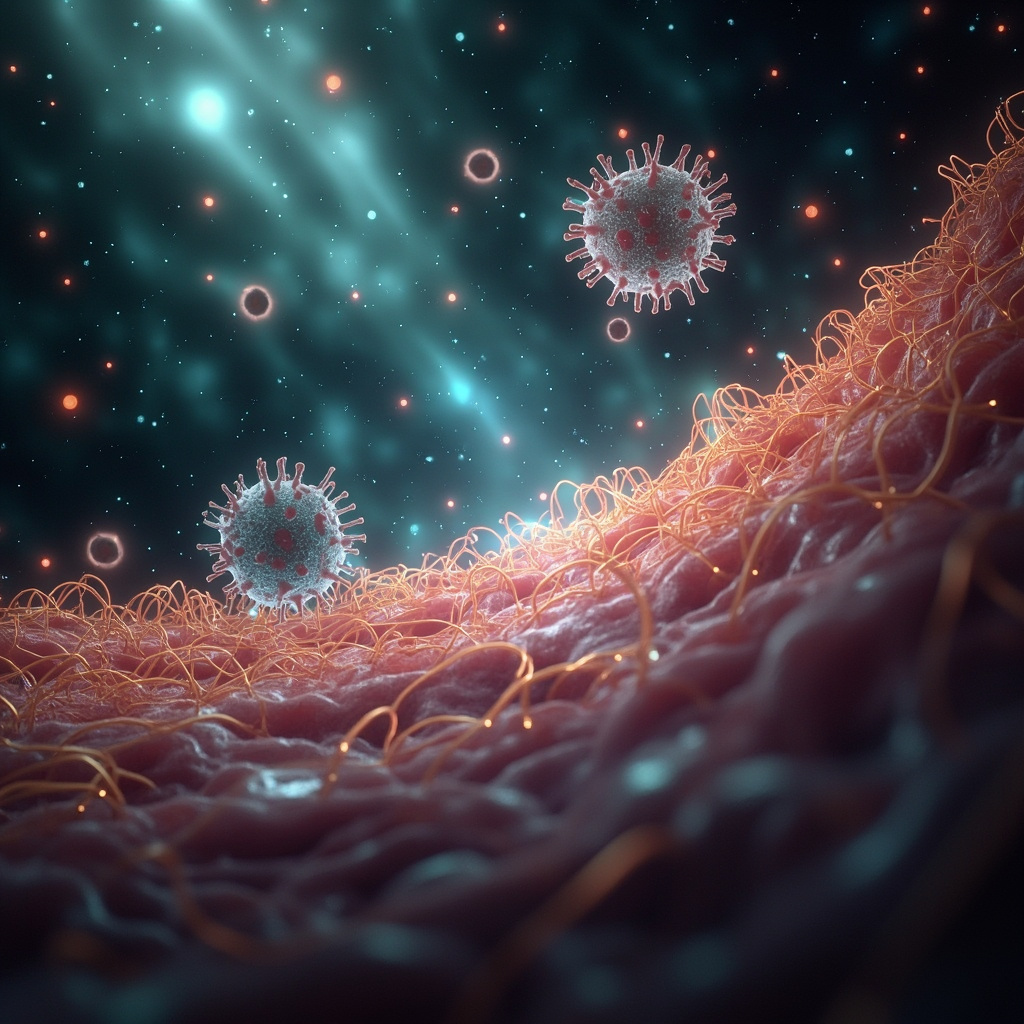
Rota Virus: Causes Severe Diarrhea in the Intestines
The main effect of Rotavirus is severe diarrhea, and it primarily affects the intestines by infecting and damaging the cells lining the small intestine.
Rotavirus, when not in a healthy relationship with the body, is often associated with feelings of distress and discomfort due to the symptoms it causes, such as severe diarrhea and vomiting. This can lead to emotions like anxiety and fear, especially in young children and their caregivers, due to concerns about dehydration and illness severity. There is also a sense of vulnerability and helplessness in dealing with the rapid onset and impact of the infection. The presence of rotavirus can evoke emotions of frustration and exhaustion due to the care required for recovery and the disruption it causes to daily life.
Rota virus is a significant pathogen that primarily targets the intestines, leading to severe diarrhea and impacting overall health. When the virus infects and damages the epithelial cells of the small intestine, it disrupts nutrient absorption and fluid balance, which can lead to dehydration-a critical concern for physical vitality and resilience. This intestinal distress can also affect emotional well-being, as caregivers may experience anxiety and fear regarding the health of affected individuals, particularly young children. The gut's role in the gut-brain axis means that such physical ailments can influence mental states, leading to feelings of frustration and helplessness. Moreover, the interaction between the intestines and the immune system is crucial; when rotavirus disrupts gut health, it can impair immune responses, making the body more susceptible to other infections. Addressing rotavirus-related symptoms is essential not just for physical recovery but also for restoring emotional balance and energetic integrity, thereby enhancing overall well-being. Effective management strategies can support intestinal health, reduce emotional distress, and foster resilience, ultimately promoting a more robust state of health and vitality.
In BioCoherence, find the biomarkers in the Analysis screens.
BioCoherence Personal Guide Meditation
Visualize a microscopic world, delicate and unseen by the naked eye. Picture the Rotavirus, a tiny, spherical organism often found in the intestines. This humble being plays a role in the grand tapestry of life, interacting with the body's digestive system. Imagine it as a small, rounded entity, moving gently through the inner landscape.
As you focus on this image, acknowledge the Rotavirus's presence in the intestines, where it can influence the way the body processes nourishment. Picture the intestines as a vibrant, active environment, working tirelessly to support overall health.
Envision the Rotavirus now in a balanced state, harmonizing with the body's natural rhythms. See it as part of the ecosystem within, contributing to the ongoing dance of life. Allow any imbalances it may have caused to gently resolve, restoring peace and equilibrium within the digestive system.
Take a moment to appreciate the intricate balance of microorganisms within the body, each with its role and purpose. By visualizing this harmony, you support the body's innate ability to maintain health and well-being. Embrace this balance, knowing that it contributes to a state of perfect, normal, constructive function.