


Energy and mind Structures
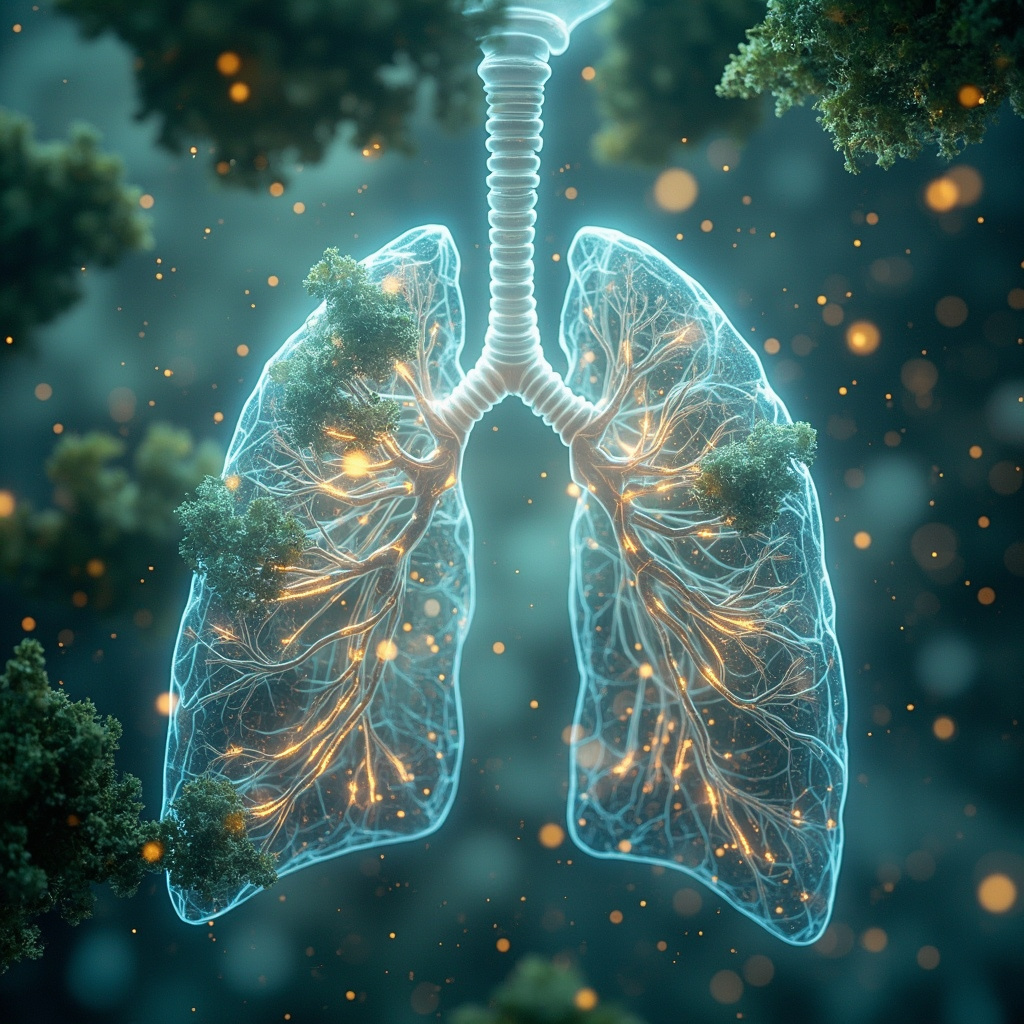
H1N1: A virus causing respiratory illness and symptoms.
H1N1 primarily causes respiratory illness, affecting the lungs and airways by attacking the respiratory tract and leading to symptoms like fever, cough, and body aches.
H1N1, when not in a healthy relationship with the body, often evokes emotions of fear and anxiety due to its association with illness and pandemics. It can lead to feelings of vulnerability and concern for personal and public health. The presence of H1N1 may also induce stress and a sense of urgency to seek medical intervention and protection, such as vaccines. Additionally, there might be feelings of empathy and solidarity as communities come together to combat its spread.
H1N1, a subtype of the influenza A virus, is a significant biomarker for understanding respiratory health and its broader implications on physical and mental well-being. This virus primarily targets the respiratory tract, leading to symptoms such as cough, fever, and fatigue, which can strain the body's energy systems and immune response. Its interaction with the lungs necessitates a coordinated effort from the immune system and the nervous system, highlighting a critical connection between respiratory function and overall vitality. The emotional impact of H1N1 can evoke feelings of anxiety and fear, as individuals confront the potential health risks, which may disrupt mental equilibrium and resilience. Addressing these emotional responses through community solidarity and proactive health measures can foster a sense of empowerment and collective strength. Furthermore, understanding H1N1's role in respiratory health encourages a holistic approach to wellness, emphasizing preventive care, emotional resilience, and community engagement. By promoting awareness and understanding, individuals can enhance their energy levels and support their overall health, reinforcing the interconnectedness of mind, body, and community resilience.
In BioCoherence, find the biomarkers in the Analysis screens.
To comment, subscribe to the newsletter and get exclusive BioCoherence offers, please create a free account
Legal page
Website (c) 2026 Coherence Labs; contents (c) their respective authors.
Disclaimer BioCoherence provides both an academic analysis and an energetic and experimental analysis.
The information displayed may or may not be correlated with the physical state of the systems.
Calculations are based on individual measurements and experimental algorithms.
All computed results like energy levels, entropy levels and coherent systems are designed to provide useful information for personal development, not for medical purposes. The usage of all results are under the sole responsibility or the user. In case of doubt, it is important to consult a medical doctor. Please check our EULA before deciding your use of the software.