


Energy and mind Structures
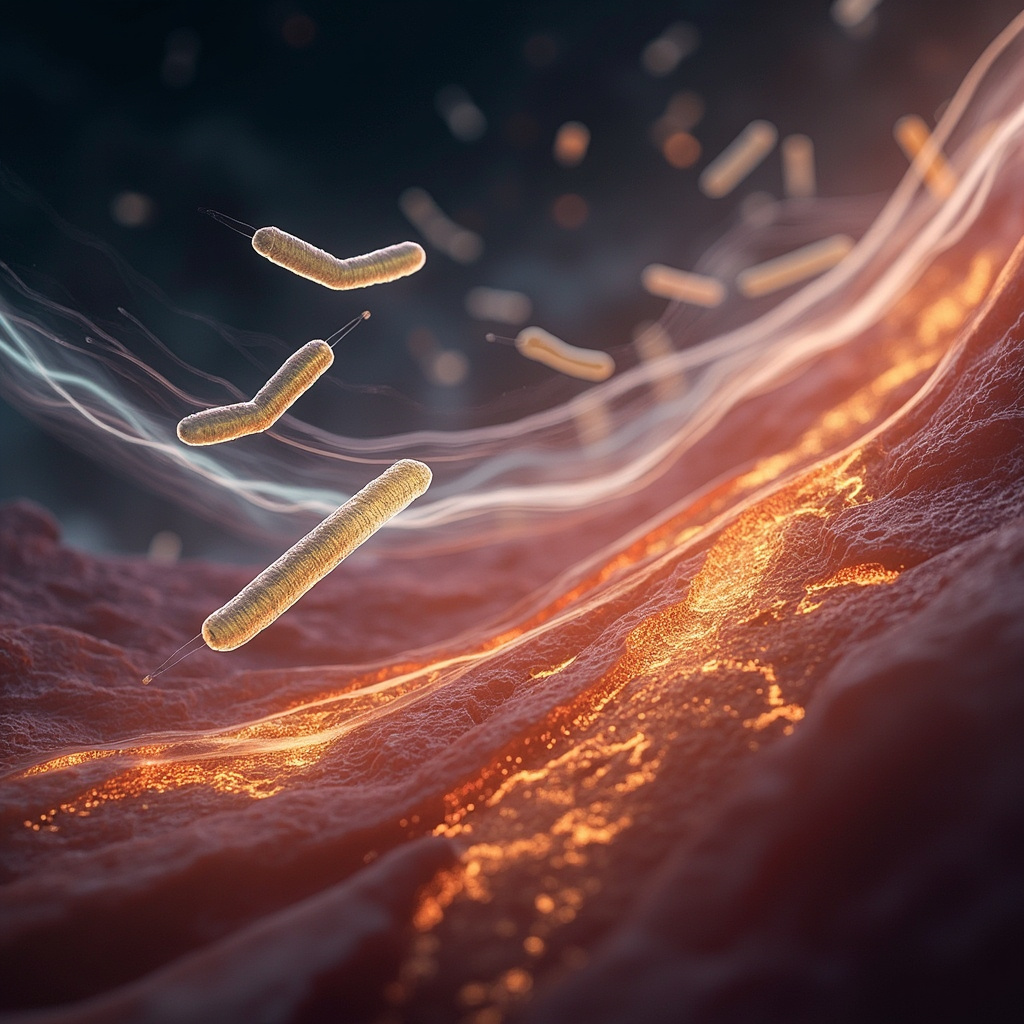
Shigella dysenteriae: Causes severe diarrhea and intestinal inflammation.
Shigella dysenteriae primarily causes severe diarrhea by infecting the intestines, leading to inflammation and ulceration of the intestinal lining.
Shigella dysenteriae, when not in a healthy relationship with the body, can evoke emotions of discomfort and distress. It is associated with feelings of pain, anxiety, and helplessness due to the severe gastrointestinal symptoms it causes. The presence of this micro-organism often leads to frustration and concern over health, as it can cause dysentery, characterized by severe diarrhea, cramps, and fever. The impact can also lead to feelings of vulnerability and urgency to seek medical attention.
Shigella dysenteriae is a pathogenic bacterium that primarily disrupts gut health by invading the intestinal lining, leading to severe diarrhea and inflammation. This disruption significantly impacts physical health by causing dehydration and nutrient malabsorption, while also influencing mental health through the gut-brain axis, potentially increasing feelings of anxiety and distress. The interaction between Shigella dysenteriae and the gut microbiome is critical; a balanced microbiome can mitigate the effects of this pathogen, supporting resilience and emotional well-being. Additionally, the body's immune response to infection can lead to systemic inflammation, further affecting energy levels and overall vitality. Maintaining a healthy gut environment through proper nutrition and probiotics can enhance energy and resilience against such infections, promoting a sense of well-being. Understanding the implications of Shigella dysenteriae underscores the importance of gut health not only for physical vitality but also for emotional stability, illustrating how interconnected our body systems are in fostering a resilient and energetic state.
In BioCoherence, find the biomarkers in the Analysis screens.
To comment, subscribe to the newsletter and get exclusive BioCoherence offers, please create a free account
Legal page
Website (c) 2026 Coherence Labs; contents (c) their respective authors.
Disclaimer BioCoherence provides both an academic analysis and an energetic and experimental analysis.
The information displayed may or may not be correlated with the physical state of the systems.
Calculations are based on individual measurements and experimental algorithms.
All computed results like energy levels, entropy levels and coherent systems are designed to provide useful information for personal development, not for medical purposes. The usage of all results are under the sole responsibility or the user. In case of doubt, it is important to consult a medical doctor. Please check our EULA before deciding your use of the software.