


Energy and mind Structures
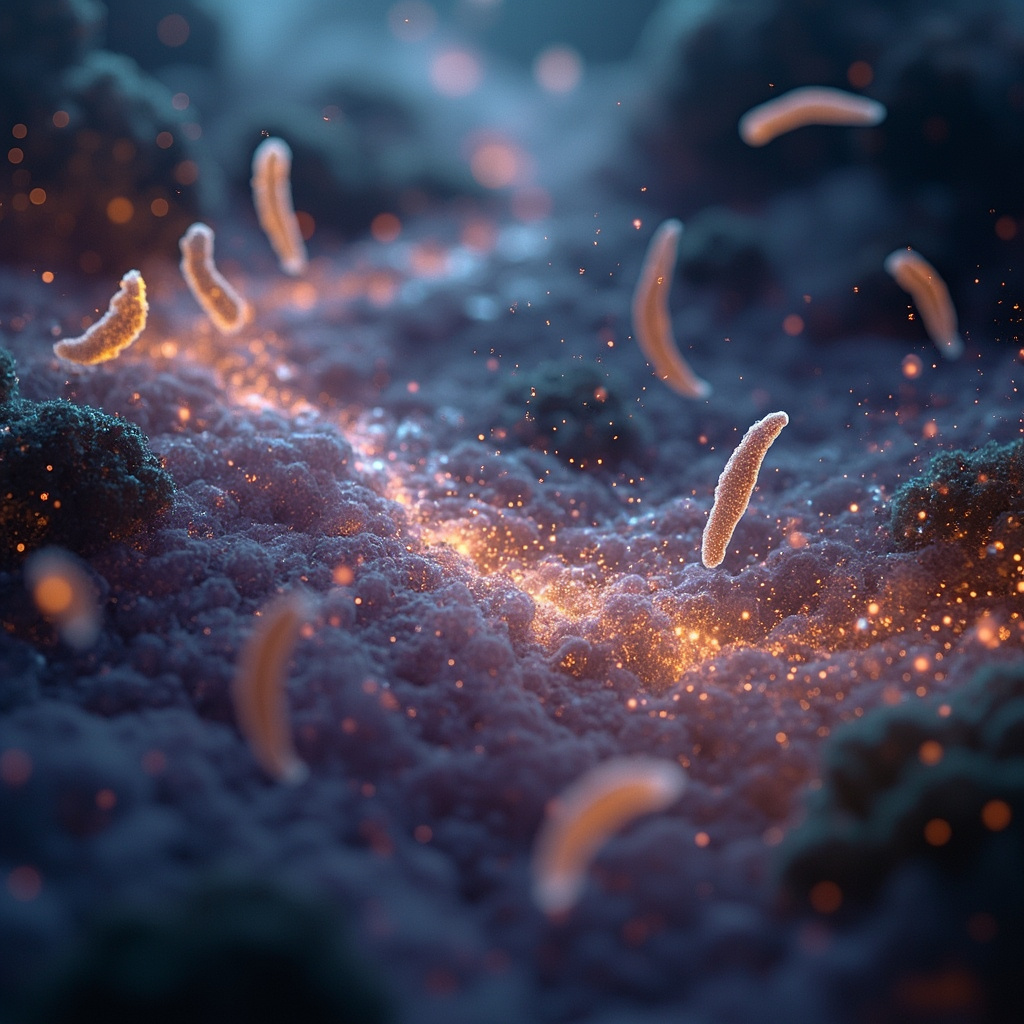
Salmonella enteritis: Causes food poisoning and intestinal harm.
Salmonella enteritis primarily causes food poisoning, affecting the intestines by invading intestinal cells and producing toxins.
Salmonella enteritis, when not in a healthy relationship with the body, is often associated with negative emotions such as anxiety, fear, and frustration. This is due to its role in causing foodborne illness, leading to symptoms like nausea, vomiting, diarrhea, and abdominal pain. These symptoms can evoke feelings of discomfort, distress, and vulnerability. There may also be a sense of urgency and concern for health and safety, particularly if there is a risk of severe dehydration or complications. The presence of this microorganism can disrupt daily life, leading to irritation and inconvenience.
Salmonella enteritis is a pathogenic bacterium primarily responsible for foodborne illnesses, particularly food poisoning. When it invades the intestinal lining, it disrupts normal digestive functions, leading to symptoms such as nausea, diarrhea, and abdominal pain. These physiological disturbances not only affect the digestive system but can also have systemic effects, including stress responses linked to the brain-gut axis. The stress and discomfort from infection can negatively impact mental health, inducing feelings of anxiety and vulnerability. Furthermore, the body's immune response to Salmonella can create a cascade of inflammatory markers, which may alter energy levels and overall vitality. This disruption can lead to fatigue and diminished resilience, making it crucial to restore balance through supportive nutrition and hydration. Understanding the emotional implications of Salmonella enteritis is also important, as the feelings of distress associated with illness can be profound, affecting one's overall well-being. Addressing both the physical symptoms and the emotional impact is essential for fostering recovery, enhancing energy, and promoting a sense of stability and health.
In BioCoherence, find the biomarkers in the Analysis screens.
To comment, subscribe to the newsletter and get exclusive BioCoherence offers, please create a free account
Legal page
Website (c) 2026 Coherence Labs; contents (c) their respective authors.
Disclaimer BioCoherence provides both an academic analysis and an energetic and experimental analysis.
The information displayed may or may not be correlated with the physical state of the systems.
Calculations are based on individual measurements and experimental algorithms.
All computed results like energy levels, entropy levels and coherent systems are designed to provide useful information for personal development, not for medical purposes. The usage of all results are under the sole responsibility or the user. In case of doubt, it is important to consult a medical doctor. Please check our EULA before deciding your use of the software.