


Energy and mind Structures
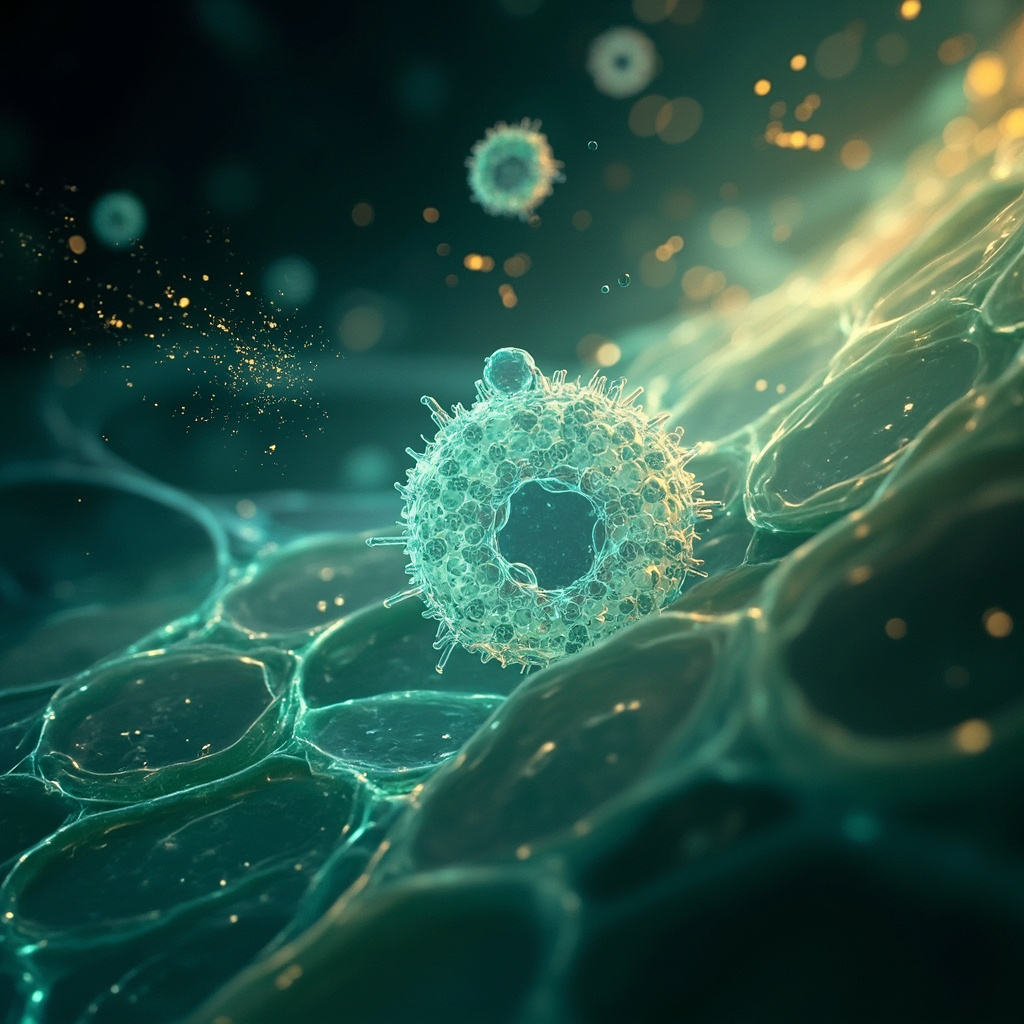
Chlamydia trachomatis: A common cause of STIs
Chlamydia trachomatis mainly causes sexually transmitted infections, affecting the urogenital tract, and it acts by invading and multiplying within the host's epithelial cells.
Chlamydia trachomatis, when not in a healthy relationship with the body, is often associated with feelings of discomfort, anxiety, and distress. It can lead to emotions of embarrassment and shame due to its nature as a sexually transmitted infection. There might also be fear and worry about potential health complications and the need for medical treatment. Additionally, individuals may experience frustration or guilt, impacting their emotional well-being and intimate relationships.
Chlamydia trachomatis is a bacterium primarily recognized for causing sexually transmitted infections (STIs), particularly affecting the urogenital tract. Its primary function involves invading epithelial cells, leading to inflammation and potential reproductive health issues, which can impact physical vitality and emotional health. The systemic connections of Chlamydia trachomatis with the immune system are significant; chronic infections can provoke immune responses that may lead to complications such as pelvic inflammatory disease or infertility. This organism is also intertwined with emotional health, as the stigma associated with STIs can heighten feelings of anxiety, shame, and social isolation, which may impede mental resilience and overall well-being. Understanding and addressing the emotional ramifications of Chlamydia trachomatis infections encourages proactive health management and fosters healthier relational dynamics. By promoting awareness and education, individuals can enhance their emotional and physical health, contributing to a sense of empowerment and vitality. Addressing the implications of this bacterium not only supports physical recovery but also aids in restoring emotional balance and resilience, essential components of holistic health and well-being.
In BioCoherence, find the biomarkers in the Analysis screens.
BioCoherence Personal Guide Meditation
Visualize a tiny organism named Chlamydia trachomatis. It often resides in the lower parts of the body, particularly in areas where the body is sensitive and delicate. Imagine this microorganism as a small, neutral entity, simply existing in its environment, much like other microorganisms that coexist with the human body.
See how it interacts with the body, gently touching the surfaces of the cells. It occasionally causes changes, which can sometimes be felt as mild discomfort. However, envision the body's natural defenses coming into play, harmonizing and balancing its presence. Picture the body's immune system as a calm, protective force, working gently but effectively to maintain harmony.
Imagine the cells communicating, sending signals to each other, creating a symphony of responses designed to restore balance. Picture this process as a dance, where every step is designed to neutralize any unwanted effects while promoting healing and well-being.
Feel the gentle flow of energy within the body, guiding Chlamydia trachomatis to its perfect, normal, constructive state. Each breath you take supports this process, fostering a state of balance and health. Trust in the body's innate wisdom and its ability to restore equilibrium naturally and effortlessly.