


Energy and mind Structures
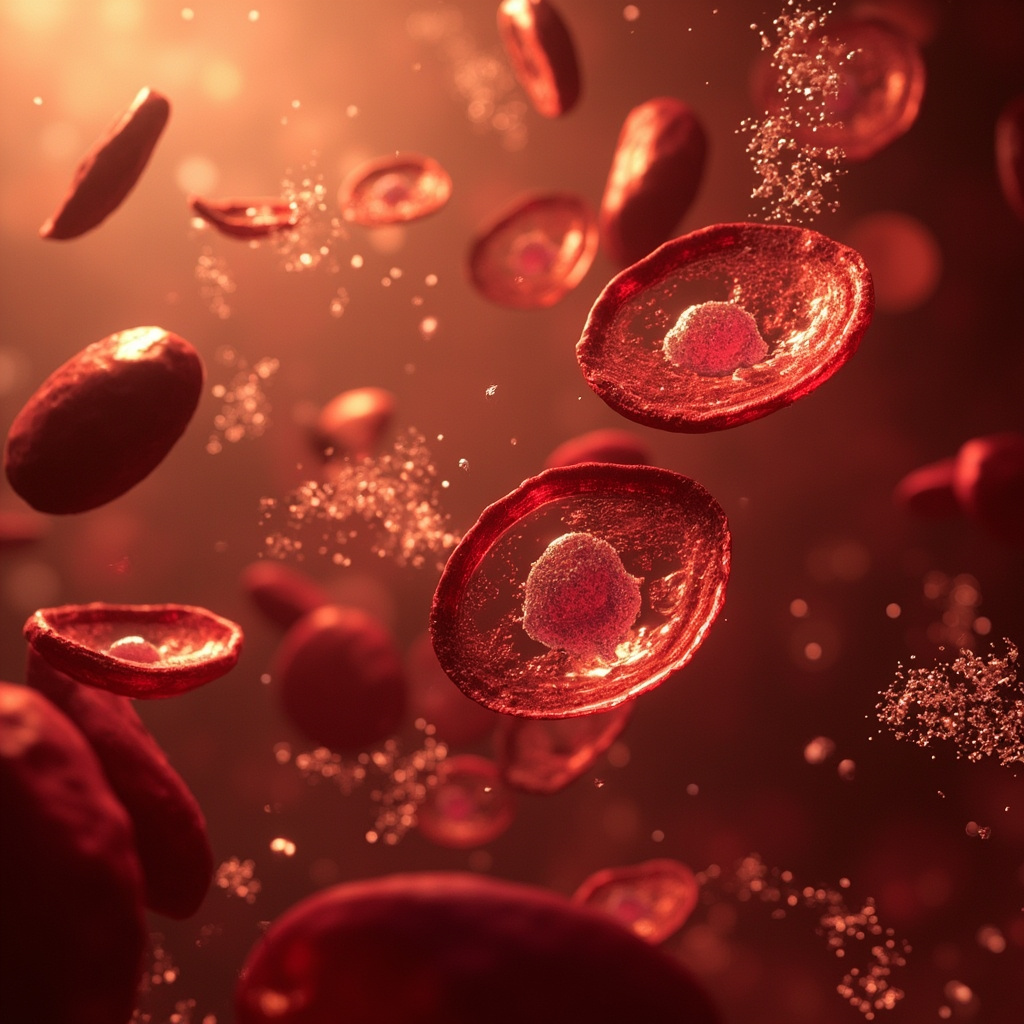
Anaplasma marginale: Causes anemia by destroying red blood cells.
Anaplasma marginale primarily affects red blood cells, causing anemia through the destruction of these cells.
Anaplasma marginale is a pathogenic bacterium that affects cattle, causing the disease anaplasmosis. When this microorganism is not in a healthy relationship with the host body, it can evoke emotions and feelings such as concern, anxiety, and stress in those managing livestock due to potential economic losses and animal welfare issues. Infected animals may experience symptoms like fever, anemia, and weakness, which could lead to a sense of distress or helplessness among caretakers witnessing the suffering of the animals. Additionally, there might be a sense of urgency to treat and prevent the spread of the infection.
Commonly found in tropical and subtropical regions, particularly in areas with a high population of ticks.
Anaplasma marginale primarily affects cattle, leading to anaplasmosis. This condition results in fever, anemia, weight loss, and can be fatal if untreated. There is no notable usage for this microorganism in beneficial contexts.
Anaplasma marginale is a pathogenic bacterium that primarily targets red blood cells, leading to a condition known as anaplasmosis, characterized by anemia and reduced oxygen-carrying capacity. This impairment can significantly affect overall physical vitality, as the body struggles to deliver essential nutrients and energy to tissues. The systemic connection between Anaplasma marginale and the immune system is crucial; as the body mounts a response to the infection, it may experience heightened stress and emotional distress, especially in caretakers managing affected livestock. This emotional burden can impact mental health, leading to anxiety and concern over animal welfare and economic repercussions. Infected animals may exhibit lethargy and weakness, which may resonate with caretakers, creating a cycle of stress and urgency for recovery. Understanding and managing the dynamics of infection not only fosters resilience in the livestock but also promotes emotional stability for caretakers. By addressing both the physical and emotional aspects associated with Anaplasma marginale, strategies can be developed to enhance energy, vitality, and overall well-being, emphasizing the importance of holistic approaches in health management.
In BioCoherence, find the biomarkers in the Analysis screens.
BioCoherence Personal Guide Meditation
Visualize the micro-organism Anaplasma marginale as a tiny, intricate traveler within the body, often finding its home among the red cells in the blood. Imagine these red cells as vibrant, vital life-givers, each one carrying essential oxygen to nourish the organs and tissues. Anaplasma marginale, in its natural state, seeks harmony within this environment, aiming to coexist peacefully.
Picture the body's organs - the heart, liver, and spleen - as thriving, robust systems that work tirelessly to maintain balance and health. Envision Anaplasma marginale contributing to this balance, understanding its role within the grand design of the body. See it adapting, learning, and transforming to support the flow of energy and wellness.
Allow yourself to feel a sense of unity and cooperation within. Recognize that every element, no matter how small, has a purpose and can contribute positively when in harmony. Visualize the body's immune system gently guiding Anaplasma marginale towards a state of equilibrium, where it exists constructively, enhancing the body's natural rhythm and vitality.
Breathe deeply, and sense the calmness and balance spreading through every cell, knowing that every organism within has the potential to contribute to the whole. Embrace this vision of inner peace and perfect balance, where all parts work together in serene harmony.