


Energy and mind Structures
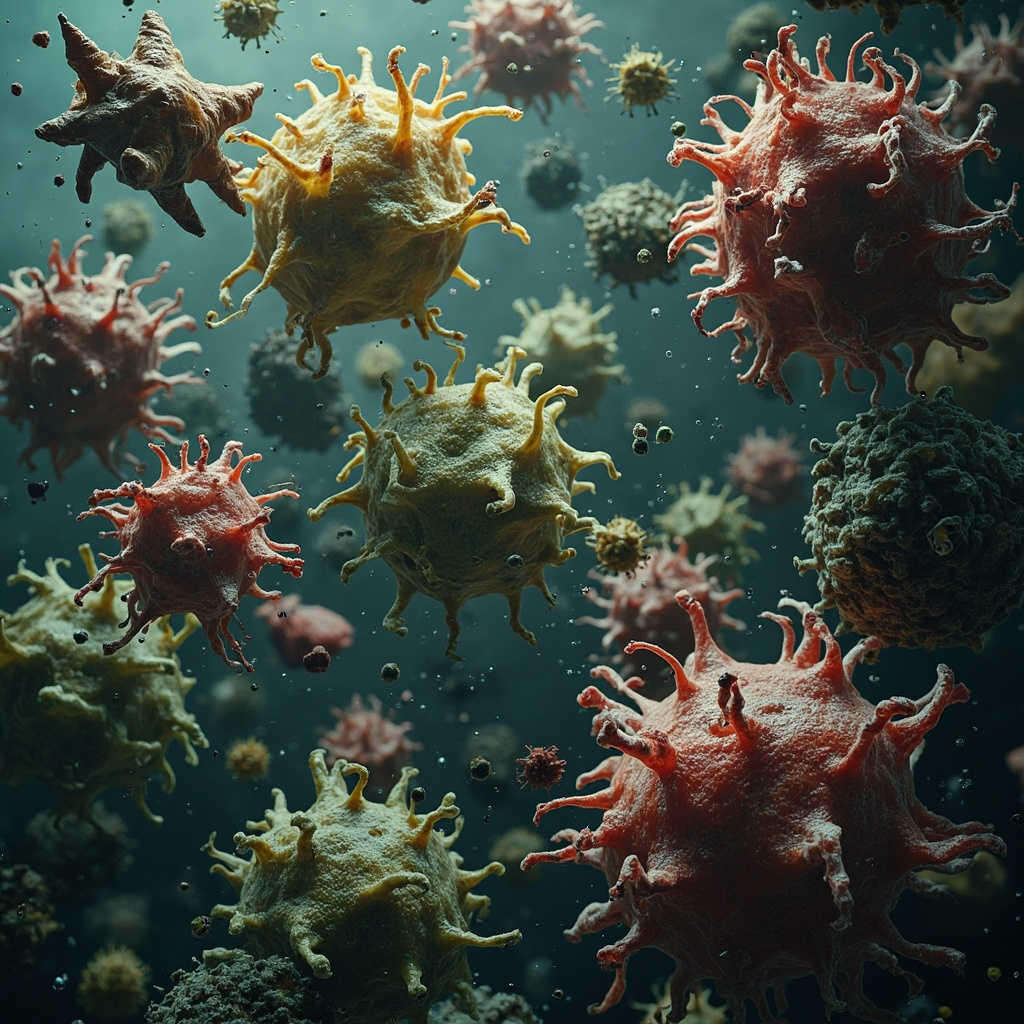
Pathogens: How They Cause Disease and Boost Immunity
Pathogens can cause diseases and harm the human body by disrupting normal functions, but they can also stimulate the immune system to develop defenses against future infections.
Pathogens are microorganisms, such as bacteria and viruses, that can induce disease by invading the body and disrupting its normal functions. However, they also play a crucial role in shaping the immune response, prompting the body to develop specific defenses, which ultimately enhances overall health and resilience. The interaction between pathogens and the immune system is vital; when a pathogen is detected, immune cells like macrophages and T-cells are activated, working in concert with the lymphatic system to eliminate the threat and establish immunological memory. This systemic connection not only fortifies physical health but also supports mental well-being by fostering a sense of safety and security within the body. Furthermore, the process of overcoming infections can invigorate energy levels and vitality, as the body learns to adapt and strengthen its defenses. Emotionally, the experience of fighting off infections can enhance resilience, contributing to a positive mindset and emotional equilibrium. Therefore, understanding the dual role of pathogens in disease and immunity is essential for promoting holistic health, vitality, and energetic balance.
In BioCoherence, find the biomarkers in the Analysis screens.
To comment, subscribe to the newsletter and get exclusive BioCoherence offers, please create a free account
Legal page
Website (c) 2026 Coherence Labs; contents (c) their respective authors.
Disclaimer BioCoherence provides both an academic analysis and an energetic and experimental analysis.
The information displayed may or may not be correlated with the physical state of the systems.
Calculations are based on individual measurements and experimental algorithms.
All computed results like energy levels, entropy levels and coherent systems are designed to provide useful information for personal development, not for medical purposes. The usage of all results are under the sole responsibility or the user. In case of doubt, it is important to consult a medical doctor. Please check our EULA before deciding your use of the software.