


Energy and mind Structures
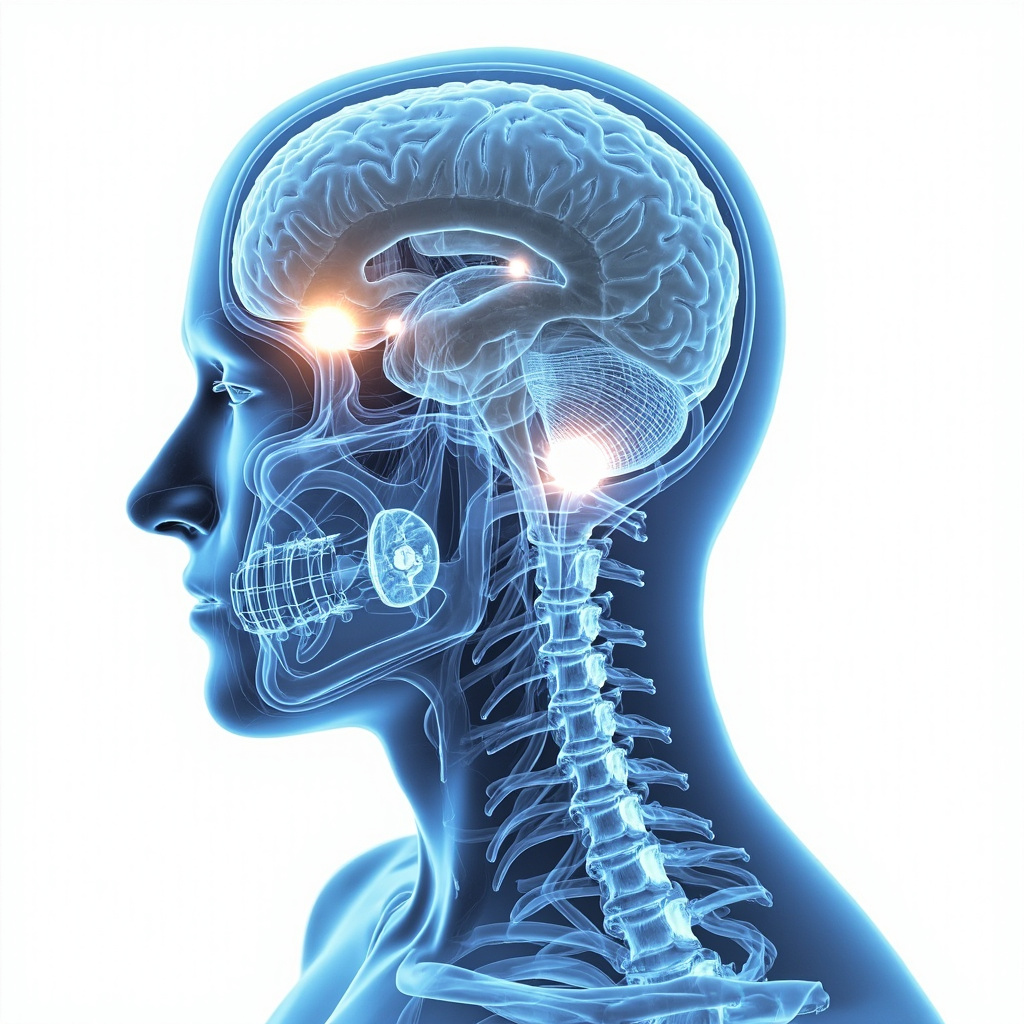
Lithium: Trace Element with Mood-Stabilizing Effects
Lithium is found in trace amounts in the human body, primarily in organs such as the brain, bones, and kidneys, and is often used in the treatment of bipolar disorder due to its mood-stabilizing effects, but excessive levels can be toxic, leading to lithium poisoning.
Lithium, a trace element crucial for mental health, plays a significant role in promoting emotional stability and overall well-being. It is primarily concentrated in the brain, where it influences neurotransmitter activity and supports the regulation of mood and emotions. By interacting with various neurotransmitters, such as serotonin and dopamine, lithium contributes to enhanced cognitive function and resilience against mood disorders. Its presence in bones and kidneys underlines its systemic importance, as it aids in maintaining mineral balance and supporting kidney function. Notably, lithium is linked to improved energy levels, helping to optimize metabolic processes and cellular function, thereby enhancing vitality. Its mood-stabilizing properties also foster a sense of calm and emotional equilibrium, essential for mental clarity and focus. However, it is vital to maintain appropriate levels, as imbalances can lead to toxicity. For users focusing on BioCoherence, understanding lithium's role can provide insights into fostering emotional and energetic balance, ultimately supporting a holistic approach to health and enhancing resilience in daily life.
In BioCoherence, find the biomarkers in the Analysis screens.
To comment, subscribe to the newsletter and get exclusive BioCoherence offers, please create a free account
Legal page
Website (c) 2026 Coherence Labs; contents (c) their respective authors.
Disclaimer BioCoherence provides both an academic analysis and an energetic and experimental analysis.
The information displayed may or may not be correlated with the physical state of the systems.
Calculations are based on individual measurements and experimental algorithms.
All computed results like energy levels, entropy levels and coherent systems are designed to provide useful information for personal development, not for medical purposes. The usage of all results are under the sole responsibility or the user. In case of doubt, it is important to consult a medical doctor. Please check our EULA before deciding your use of the software.