


Energy and mind Structures
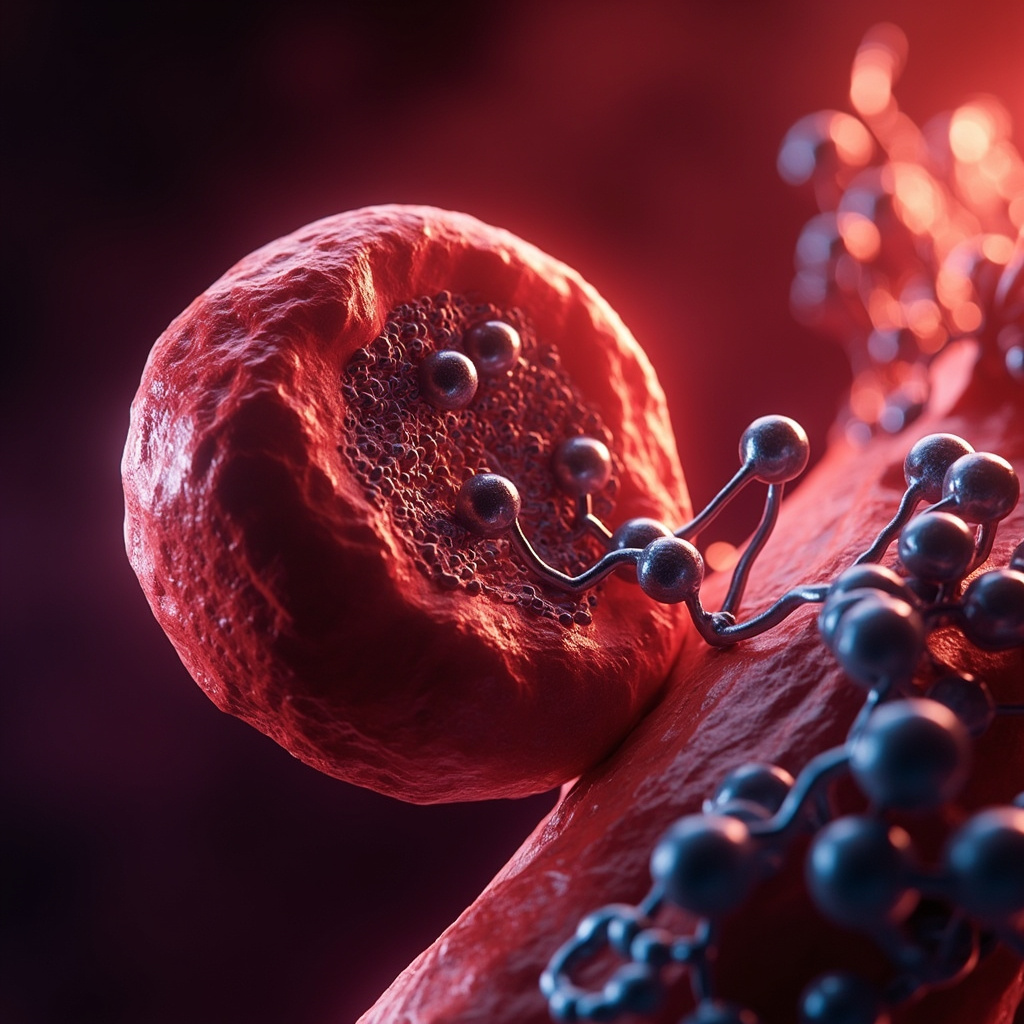
Iron: Essential for Oxygen Transport and Storage in Body
Iron is an essential element found in the human body, primarily within hemoglobin in red blood cells and myoglobin in muscles, playing a crucial role in oxygen transport and storage, but both iron deficiency and overload can lead to serious health issues such as anemia or organ damage, respectively.
Iron is a vital trace mineral that primarily functions in the body as a key component of hemoglobin and myoglobin, facilitating the transport and storage of oxygen in tissues and muscles. This essential element supports energy metabolism by enabling efficient oxygen use, which is crucial for maintaining stamina and resilience during physical activities. Iron interacts with various organs, notably the liver and spleen, which help regulate iron levels and recycle it from old red blood cells. Additionally, it plays a role in cognitive function by influencing neurotransmitter production, thus affecting mental clarity and emotional stability. Adequate iron levels are associated with enhanced vitality and immune function, as they help optimize cellular energy production and combat fatigue. Conversely, both iron deficiency and excess can disrupt these processes, resulting in fatigue, compromised immune response, and even emotional disturbances. For individuals seeking to enhance their overall well-being, maintaining balanced iron levels is essential for fostering a sense of energetic equilibrium and supporting robust physical and mental health.
In BioCoherence, find the biomarkers in the Analysis screens.
To comment, subscribe to the newsletter and get exclusive BioCoherence offers, please create a free account
Legal page
Website (c) 2026 Coherence Labs; contents (c) their respective authors.
Disclaimer BioCoherence provides both an academic analysis and an energetic and experimental analysis.
The information displayed may or may not be correlated with the physical state of the systems.
Calculations are based on individual measurements and experimental algorithms.
All computed results like energy levels, entropy levels and coherent systems are designed to provide useful information for personal development, not for medical purposes. The usage of all results are under the sole responsibility or the user. In case of doubt, it is important to consult a medical doctor. Please check our EULA before deciding your use of the software.